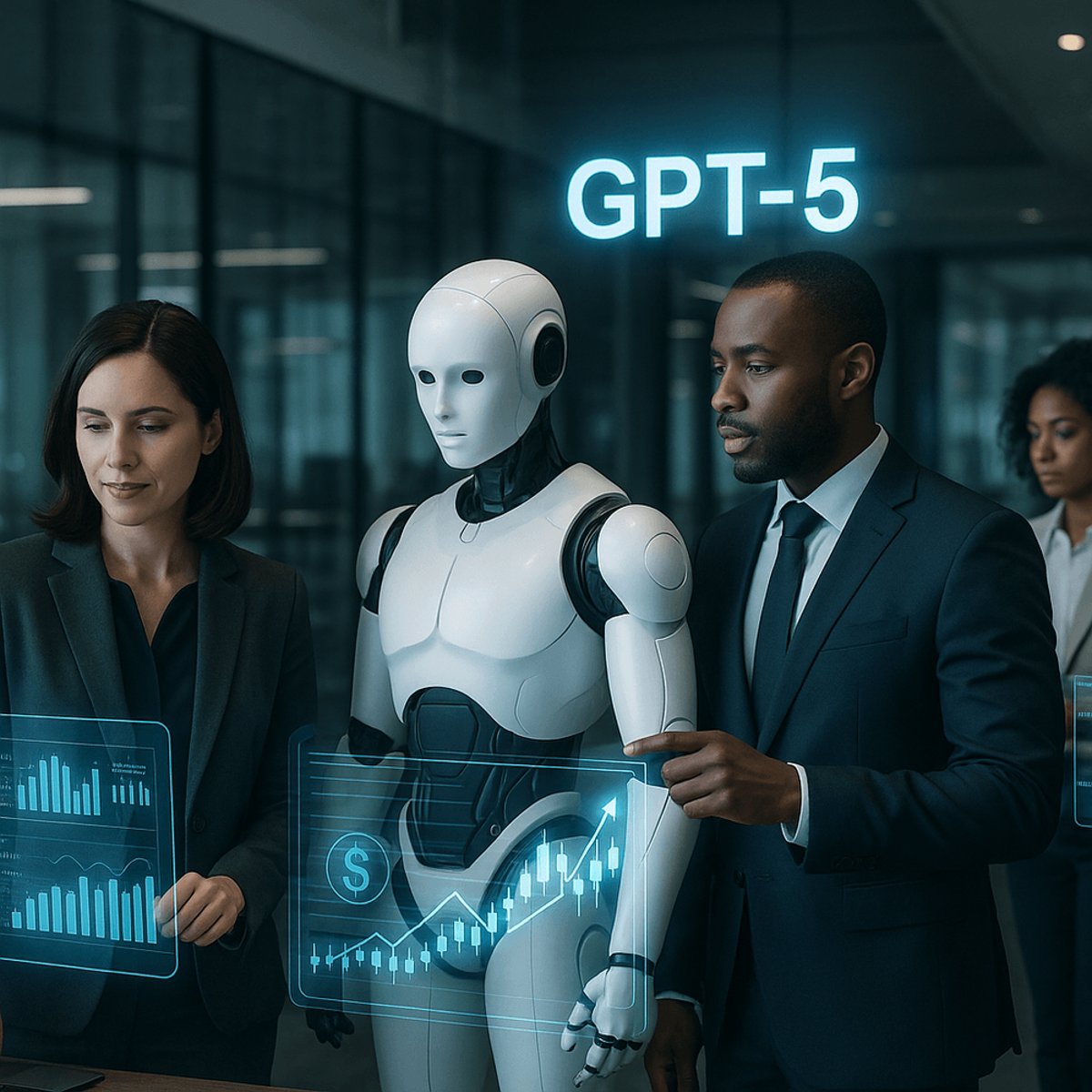
TL;DR
- - Explore GPT-5's new features and implications for chatbots.
- - Research shows enhanced AI-driven interactions with 20% increase in task efficiency.
- - Position AI as a tool for transformative business strategies.
- - GPT-5 sets new standards for AI capabilities, offering strategic opportunities for tech investors.
On August 14, OpenAI unleashes its GPT-5 model, shaping a new era in chatbot interaction. But what does this mean for the technology driving AI and the everyday ChatGPT user? Discover the transformative features of GPT-5 and its implications for businesses and AI implementation.
Opening Analysis
The buzz surrounding the release of OpenAI's GPT-5 is more than just tech chatter. Set for launch on August 14, GPT-5 promises to evolve the landscape of AI with capabilities that mimic expert-level human interaction. Sam Altman, CEO of OpenAI, stated that GPT-5 represents a significant leap over its predecessors, offering a nuanced and sophisticated understanding of context that resembles expert discourse. This iteration seeks to improve productivity by augmenting AI-driven conversations and applications.
Market Dynamics
The generative AI market is witnessing a seismic shift with GPT-5's introduction. Competitors now face intensified pressure to match or exceed these capabilities. Early adopters of GPT-5 anticipate gaining a technological edge, potentially influencing sectors from customer support to complex data analytics. This might create a scenario where smaller startups could rise or fall based on their adoption rate and integration capability with this new model.