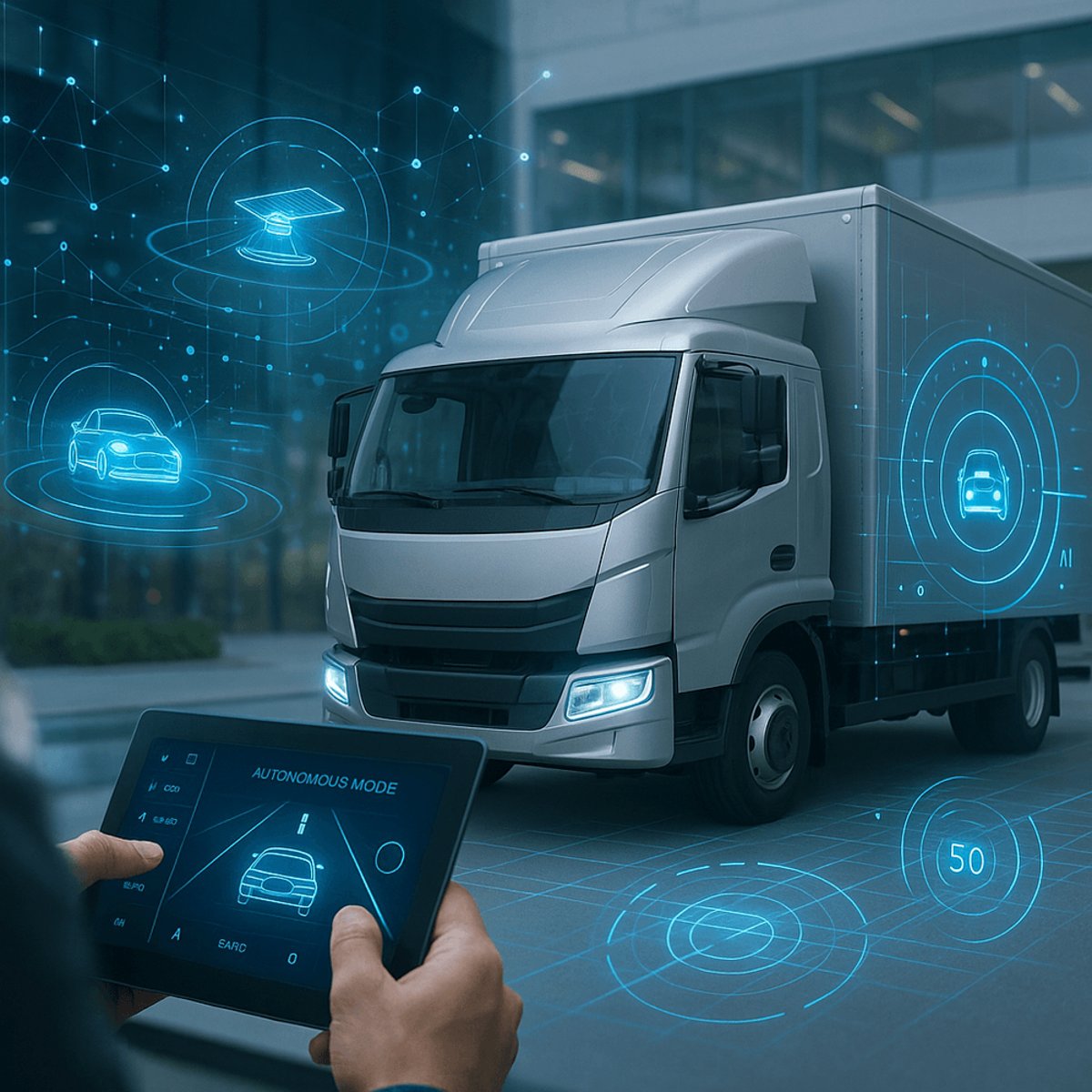
Los Angeles-based electric truck startup Harbinger just made its first acquisition, snapping up autonomous driving company Phantom AI in a move that signals the company's pivot toward becoming more than just a vehicle manufacturer. The deal, exclusively reported by TechCrunch, comes as Harbinger races to spin up new revenue streams beyond its core medium-duty electric truck business. It's a strategic play that positions the startup at the intersection of two hot markets - electric commercial vehicles and autonomous driving technology - at a time when investors are demanding clearer paths to profitability from mobility startups.
Harbinger, the Los Angeles electric truck startup that's been quietly building medium-duty commercial vehicles, just put down its first acquisition chip. The company is buying Phantom AI, an autonomous driving technology firm that specializes in advanced driver assistance systems, according to an exclusive report from TechCrunch.
Financial terms weren't disclosed, but the timing tells you everything. Harbinger's been on a tear lately, making a series of strategic moves designed to create multiple revenue channels beyond just selling electric trucks. In an industry where hardware margins are notoriously thin and capital requirements are astronomical, the ability to sell software and services alongside vehicles isn't just nice to have - it's increasingly essential for survival.
Phantom AI brings more than just technology to the table. The company's been developing ADAS and autonomous driving capabilities that could slot directly into Harbinger's electric truck platform, potentially giving the startup a competitive edge in the commercial vehicle market where safety features and driver efficiency tools command premium pricing. Think of it as Harbinger's play to become the Tesla of medium-duty trucks, but with a faster path to monetization through B2B software licensing.
The acquisition comes at a fascinating inflection point for the autonomous vehicle industry. While robotaxi companies like Waymo and Cruise have dominated headlines with their consumer-facing deployments, the commercial trucking sector has emerged as a potentially faster route to profitability. Companies like TuSimple and Aurora have been betting big on long-haul autonomous trucking, but the medium-duty segment where Harbinger plays - think delivery trucks and local freight - has remained relatively underserved on the autonomy front.
Harbinger isn't exactly a household name yet, but the startup's been methodically building out its electric truck platform since its founding. The company's medium-duty vehicles target the sweet spot between last-mile delivery vans and heavy-duty long-haul trucks, a segment that's seeing explosive demand as logistics companies race to electrify their fleets ahead of increasingly stringent emissions regulations in California and other states.
What makes this deal particularly strategic is the potential for Harbinger to license Phantom AI's technology to other vehicle manufacturers. Rather than keeping the autonomous driving capabilities exclusive to its own trucks, Harbinger could follow the playbook of companies like Mobileye and Aurora, selling ADAS software to other commercial vehicle makers while using the technology as a differentiator in its own products. It's the kind of two-sided revenue model that venture capitalists love to see.
The commercial vehicle autonomy market is heating up fast. According to industry forecasts, advanced driver assistance features in commercial trucks could become a multi-billion dollar market by 2030 as fleet operators look for technology that improves safety, reduces insurance costs, and maximizes driver productivity. Phantom AI's existing technology could give Harbinger an immediate entry point into this expanding market without the years of R&D investment typically required.
But the real question is execution. Integrating an acquisition - especially a first one - is notoriously difficult for young startups that are still figuring out their own operational rhythms. Harbinger will need to successfully merge Phantom AI's engineering team and technology stack while simultaneously ramping up production of its electric trucks and pursuing these new software revenue opportunities. It's a juggling act that's tripped up plenty of well-funded startups before.
The deal also reflects broader trends in the EV startup landscape. As the initial wave of electric vehicle euphoria fades and public market valuations compress, startups are getting creative about how they build sustainable businesses. Pure-play vehicle manufacturing requires enormous capital and delivers razor-thin margins. Software, on the other hand, scales beautifully once developed. Harbinger's bet is that it can be both a truck maker and a technology company - a hybrid model that could prove more resilient than focusing on hardware alone.
For Phantom AI, the acquisition provides a clear path to commercialization. Many autonomous driving startups have struggled to find viable business models, burning through venture capital while waiting for the technology and regulations to catch up to their ambitions. By joining forces with a vehicle manufacturer that's actively bringing products to market, Phantom AI's technology gets a direct route to real-world deployment.
Harbinger's first acquisition signals a maturation of strategy for the LA startup, moving beyond pure vehicle manufacturing toward a more diversified business model that could prove more defensible long-term. By bringing Phantom AI's autonomous driving capabilities in-house, Harbinger positions itself to capture value both as a truck manufacturer and as a technology provider in the rapidly evolving commercial vehicle market. Whether the company can successfully execute on this expanded vision while scaling production remains the key question - but the strategic logic is sound. In an industry where capital efficiency increasingly separates winners from losers, Harbinger's bet on software revenue alongside hardware sales could provide the runway it needs to reach profitability. Watch for details on how quickly the company can integrate Phantom AI's team and technology, and whether any major fleet customers emerge as early adopters of the combined offering.