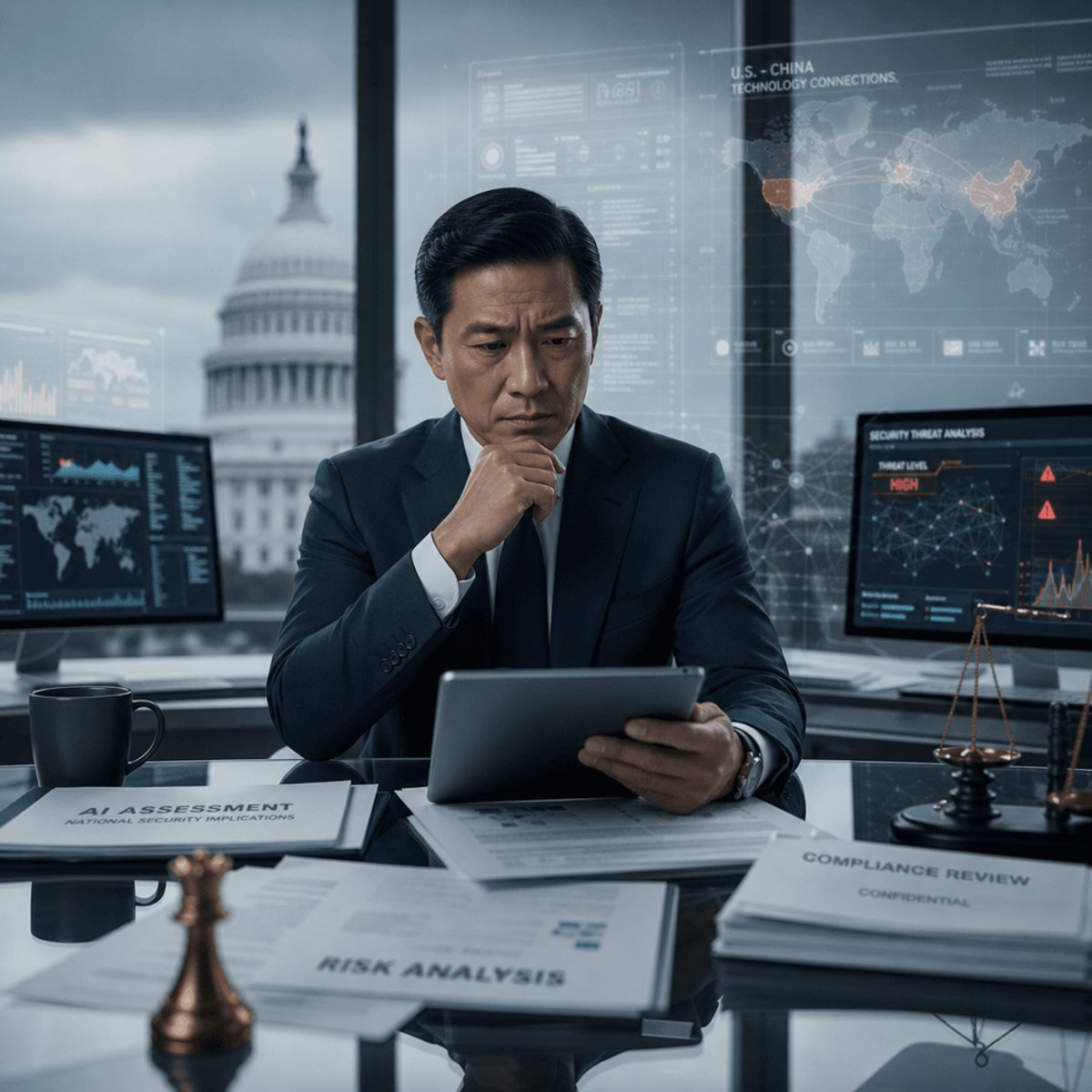
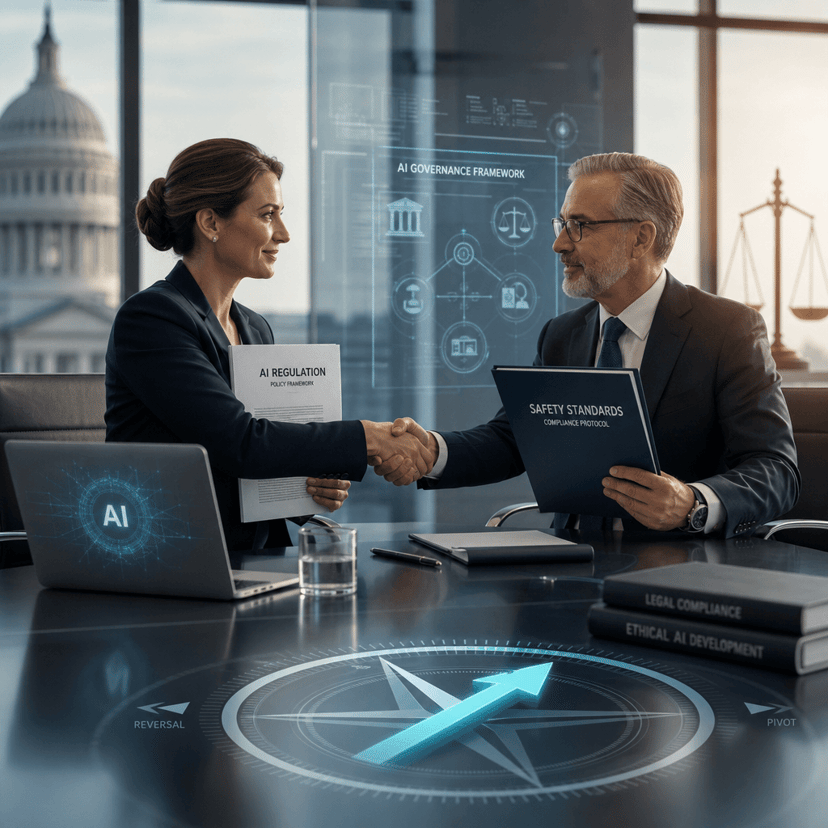
Congress is turning up the heat on American companies using Chinese AI. A House Committee just launched an investigation into the national security risks posed by U.S. enterprises increasingly deploying AI models built in China - a probe that comes as cost-conscious businesses rush to adopt alternatives like DeepSeek over pricier American options from OpenAI and Anthropic. The inquiry signals Washington's growing alarm over a trend that's quietly reshaping the enterprise AI landscape.
A House Committee investigation is now probing what lawmakers see as a dangerous trend: American companies quietly integrating Chinese-built AI into their operations. The inquiry, reported by CNBC, comes as U.S. enterprises increasingly turn to cheaper Chinese alternatives amid mounting pressure to control AI spending.
The shift has caught Washington's attention. While companies like OpenAI and Anthropic dominate headlines, a growing number of American businesses are deploying models from Chinese developers - particularly DeepSeek, which has gained traction by offering comparable performance at a fraction of the cost. That cost advantage is proving hard to resist even as geopolitical tensions simmer.
The House Committee's focus centers on data security and potential espionage risks. When U.S. companies feed sensitive information into Chinese AI models, where does that data go? Who has access? These aren't theoretical concerns - they're the kinds of questions that keep both CISOs and legislators up at night. The investigation will likely demand answers from companies about their AI procurement decisions and what due diligence they're conducting on foreign providers.
Timing matters here. This probe arrives just as American AI companies are grappling with their own challenges. OpenAI recently faced scrutiny over its own governance and safety practices, while enterprise customers increasingly balk at premium pricing for GPT-4 and Claude access. Chinese providers spotted that opening and drove right through it.
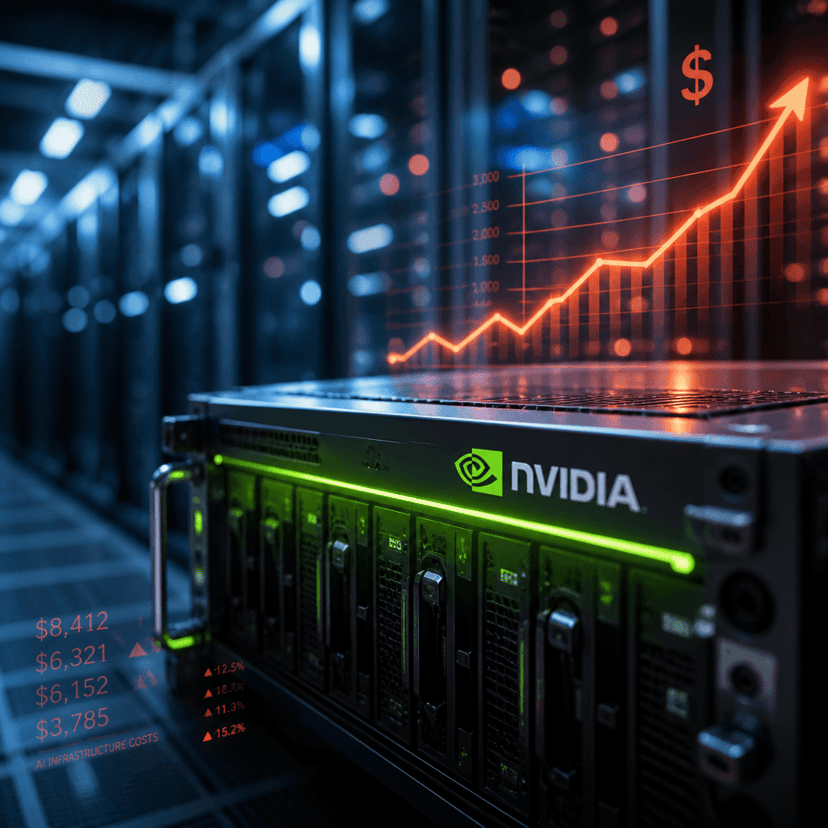
The competitive dynamics are brutal. DeepSeek and similar Chinese models offer APIs at prices that undercut American providers by 60-80% in some cases. For a mid-sized company processing millions of API calls monthly, that's real money - the kind of savings that make procurement teams override security objections. But what looks like a bargain in the short term could become a compliance nightmare if Congress moves toward restrictions.
This investigation also exposes a awkward reality for U.S. tech policy. Washington wants American AI dominance, but high prices and limited access are pushing customers toward exactly the foreign alternatives lawmakers fear most. It's a self-inflicted wound that Chinese companies are expertly exploiting.
The probe will likely examine whether current export controls and national security frameworks adequately address AI risks. Existing regulations focus heavily on chips and hardware - the physical infrastructure of AI. But when the models themselves cross borders as software services, those rules start looking outdated. Expect lawmakers to push for new authority to restrict or monitor AI model usage.
For American AI companies, this investigation could paradoxically work in their favor. If Congress ultimately restricts Chinese AI access or imposes costly compliance burdens, it removes low-cost competition even as it validates concerns about whether U.S. providers are pricing themselves out of the market. OpenAI and Anthropic will be watching closely to see if regulatory pressure succeeds where their sales teams have struggled.
But there's a darker scenario too. If U.S. companies have already deeply integrated Chinese AI into critical operations, unwinding those dependencies won't be quick or cheap. It's the Huawei equipment problem all over again - except this time it's software woven into business processes rather than hardware bolted into cell towers. The switching costs could be enormous.
The investigation's findings won't arrive in a vacuum. They'll land amid broader U.S.-China tech tensions spanning chips, TikTok, telecommunications, and now AI. Each probe, each restriction, each retaliatory move raises the temperature a bit more. American companies operating in this environment face impossible choices: save money and risk regulatory blowback, or pay premium prices for domestic AI and watch margins compress.
This House Committee investigation represents more than just another Washington probe - it's a inflection point for the global AI industry. American companies now face a stark choice between cost efficiency and regulatory compliance, while U.S. AI providers must grapple with whether their premium pricing is sustainable in a market where cheaper alternatives exist. The probe's ultimate impact will depend on whether lawmakers craft smart policies that protect genuine security interests without simply sheltering domestic companies from competition. What's certain is that the easy days of procurement teams quietly choosing the cheapest AI option are over. Every model selection is now a potential congressional testimony waiting to happen.