TL;DR:
• HTC unveils Vive Eagle AI glasses with 13-language translation for $520
• Direct competitor to Meta Ray-Ban glasses with identical 49-gram weight
• Taiwan-exclusive launch suggests testing ground before global rollout
• Smart glasses market heats up with Google, Samsung, Apple all developing competing products
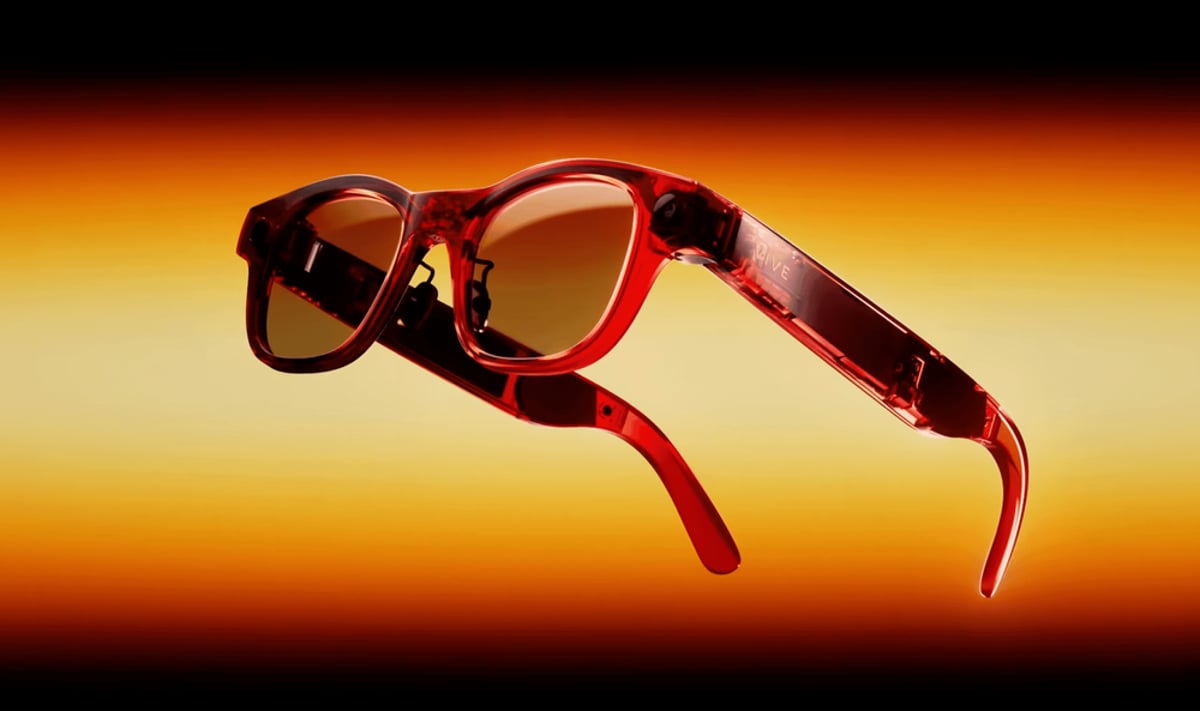
HTC just fired a shot across Meta's bow in the exploding AI glasses market. The company launched its $520 Vive Eagle smart glasses in Taiwan today, packing AI-powered translation, voice commands, and a 12MP camera into a 49-gram frame that directly targets Meta's Ray-Ban partnership. With Google, Samsung, and Apple all circling the same space, HTC's entry signals the smart glasses gold rush is officially underway.
HTC just made the AI glasses race a whole lot more interesting. The Taiwanese tech giant's surprise launch of the Vive Eagle smart glasses today puts another serious contender in the ring against Meta's increasingly dominant Ray-Ban partnership, and the timing couldn't be more strategic.
The $520 Vive Eagle glasses pack serious tech into their lightweight 49-gram frame – matching Meta's Ray-Ban specs exactly. But HTC's killer feature is AI-powered real-time translation across 13 languages, letting wearers point at text and instantly understand it through voice commands to the built-in Vive AI assistant. According to HTC's announcement, the system processes visual input through a 12MP ultrawide camera and responds through integrated speakers.
The feature set reads like a direct challenge to Meta's recent updates. Voice reminders, restaurant recommendations, and note-taking capabilities mirror exactly what Meta rolled out to Ray-Ban users last October. HTC's clearly been watching Meta's playbook closely, but the company's betting that superior AI translation gives them a competitive edge in international markets.
What's particularly telling is HTC's Taiwan-only launch strategy. The company isn't saying when – or if – the Vive Eagle will hit North American or European markets, but industry insiders see this as a classic testing ground approach. Taiwan's tech-savvy consumer base and proximity to Asian manufacturing hubs make it an ideal laboratory for refining the product before a broader rollout.
The timing puts pressure on Meta just as the company's seeing serious momentum with its smart glasses partnership. Ray-Ban Meta sales have exceeded expectations, proving there's real consumer appetite for AI-powered eyewear. But HTC's entry, combined with Google's ongoing Project Astra development and Samsung's rumored 2025 smart glasses launch, suggests Meta's early lead might not last.
Apple's rumored 2026 smart glasses loom largest over the entire category, but HTC's move shows established players aren't waiting around. The company's VR expertise through the Vive platform gives it credible hardware chops, while its partnership with Zeiss for premium sun lenses signals serious intent about build quality.
The Vive Eagle's four color options – red, brown, gray, and black – suggest HTC understands fashion matters as much as function in this category. Meta learned this lesson the hard way with its initial Portal smart displays, and has since made style a cornerstone of its Ray-Ban collaboration.
Industry analysts see 2025 as the year smart glasses either break through to mainstream adoption or remain a niche enthusiast product. HTC's entry adds crucial competition that could drive features forward and prices down. With each major tech company bringing different strengths – Meta's social integration, Google's AI prowess, Samsung's display technology, and Apple's ecosystem lock-in – consumers are the clear winners.
HTC's Vive Eagle launch transforms the AI glasses landscape from Meta's playground into a genuine competitive battleground. The $520 price point and Taiwan testing strategy suggest HTC is serious about global expansion, while the direct feature parity with Ray-Ban glasses proves the market has clear benchmarks. Whether consumers will embrace yet another tech giant's vision for smart eyewear remains to be seen, but HTC's entry ensures the race for your face just got a lot more interesting.