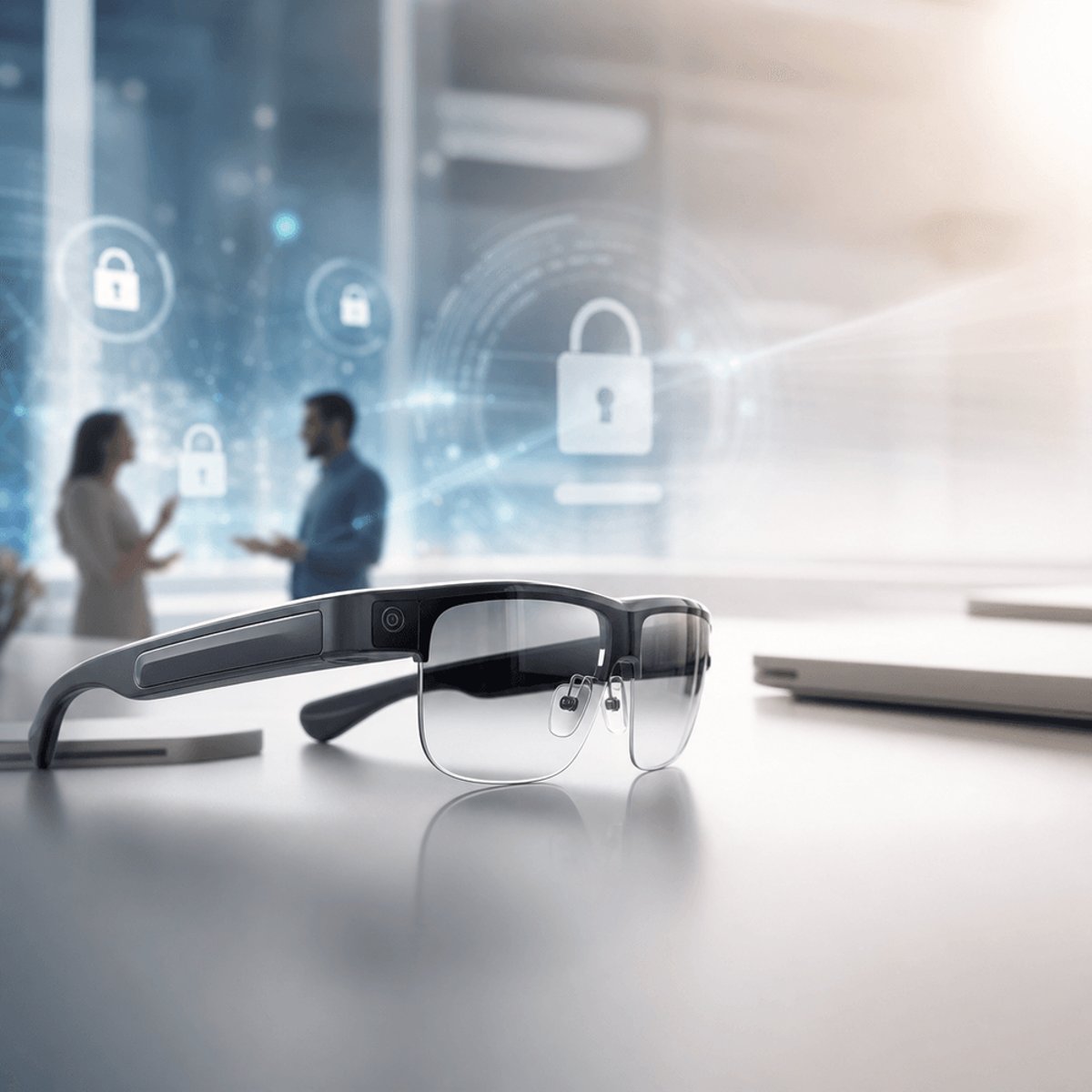
Apple is gearing up to enter the smart glasses market, but the company faces a challenge that's proved fatal for competitors: convincing people that camera-equipped eyewear won't turn every wearer into a walking surveillance device. As the iPhone maker reportedly prepares its first consumer smart glasses, internal teams are wrestling with how to build privacy safeguards that go beyond what Meta and others have attempted - a make-or-break question for a company that's built its brand on user privacy.
Apple is betting it can succeed where others stumbled. The company's rumored smart glasses project puts it on a collision course with privacy concerns that have haunted the category since Google pulled the plug on Glass over a decade ago.
The challenge isn't just technical - it's cultural. When Meta launched its Ray-Ban smart glasses in 2021, the company added a tiny LED indicator light to signal when the device was recording. Privacy advocates immediately called it insufficient. The light is barely visible in daylight, and there's no way for bystanders to know if they're being captured until it's too late. Meta has since sold over a million pairs, but the privacy debate hasn't quieted.
Apple's entry into the space comes at a curious moment. The company just wrapped up years of positioning itself as the privacy-first tech giant, running ad campaigns that literally plaster "What happens on your iPhone, stays on your iPhone" on billboards worldwide. Now it's preparing to mount cameras on people's faces.
According to supply chain reports and patent filings, Apple has been testing various smart glasses prototypes for at least three years. The company's approach appears more cautious than competitors - multiple sources familiar with the project say Apple has explored everything from obvious physical shutters that cover cameras when not in use to audio cues that alert nearby people when recording starts.
But those solutions create their own problems. Physical shutters add moving parts that can break. Audio alerts might be intrusive in quiet spaces like libraries or offices. And any privacy feature that users can disable will be disabled by bad actors.
The stakes are higher for Apple than for Meta or startups like Snap, which launched Spectacles. Apple has spent years building customer trust through features like App Tracking Transparency, which let users block apps from tracking them across the web. Smart glasses that feel like surveillance devices could undermine that carefully constructed reputation.
Industry watchers point to Apple's work on spatial computing with Vision Pro as a potential blueprint. That headset includes external displays that show representations of the wearer's eyes - a feature Apple calls EyeSight - to make interactions feel less robotic. The company could adapt similar outward-facing signals for glasses, though miniaturizing that technology for a glasses form factor presents engineering challenges.
The timing matters too. Privacy regulations have gotten dramatically stricter since Google Glass debuted in 2013. The EU's GDPR and similar laws in California and other jurisdictions now impose serious penalties for unauthorized recording or data collection. Apple will need to navigate a legal landscape that's far less forgiving than when earlier smart glasses hit the market.
Competitors are watching closely. Meta has been iterating on its Ray-Ban partnership, adding AI features and improving camera quality with each generation. If Apple cracks the privacy puzzle in a way that satisfies both regulators and consumers, it could legitimize the entire category and spark a new wave of development.
But there's also the possibility that no amount of privacy engineering can overcome the fundamental discomfort people feel about camera-equipped glasses. Even Apple's legendary design team can't solve a problem that's more about social norms than technology. The company famously killed products that didn't meet its standards - just ask the team that worked on AirPower, the wireless charging mat that never shipped.
What's clear is that Apple can't afford to launch smart glasses that become the next cautionary tale about privacy theater. The company's entire brand promise depends on getting this right.
Apple's smart glasses project represents more than just another product category expansion - it's a test of whether the company's privacy-first positioning can survive contact with one of tech's most privacy-hostile form factors. If Apple ships glasses that people trust not to violate bystander privacy, it'll prove that thoughtful design and clear policies can overcome even deeply rooted cultural concerns. But if the company can't solve this puzzle in a way that feels genuine rather than performative, it might signal that some product categories are simply incompatible with the privacy promises that define Apple's brand. The answer will shape not just Apple's wearables strategy, but the entire future of camera-equipped glasses.