TL;DR
- - Compliance with U.S. export controls is crucial for tech companies.
- - Nvidia's cutting-edge AI chips remain under strict regulatory scrutiny, limiting access.
- - The incident catalyzes further multinational regulatory attention.
- - Investment in compliance infrastructure is essential for mitigating legal risks.
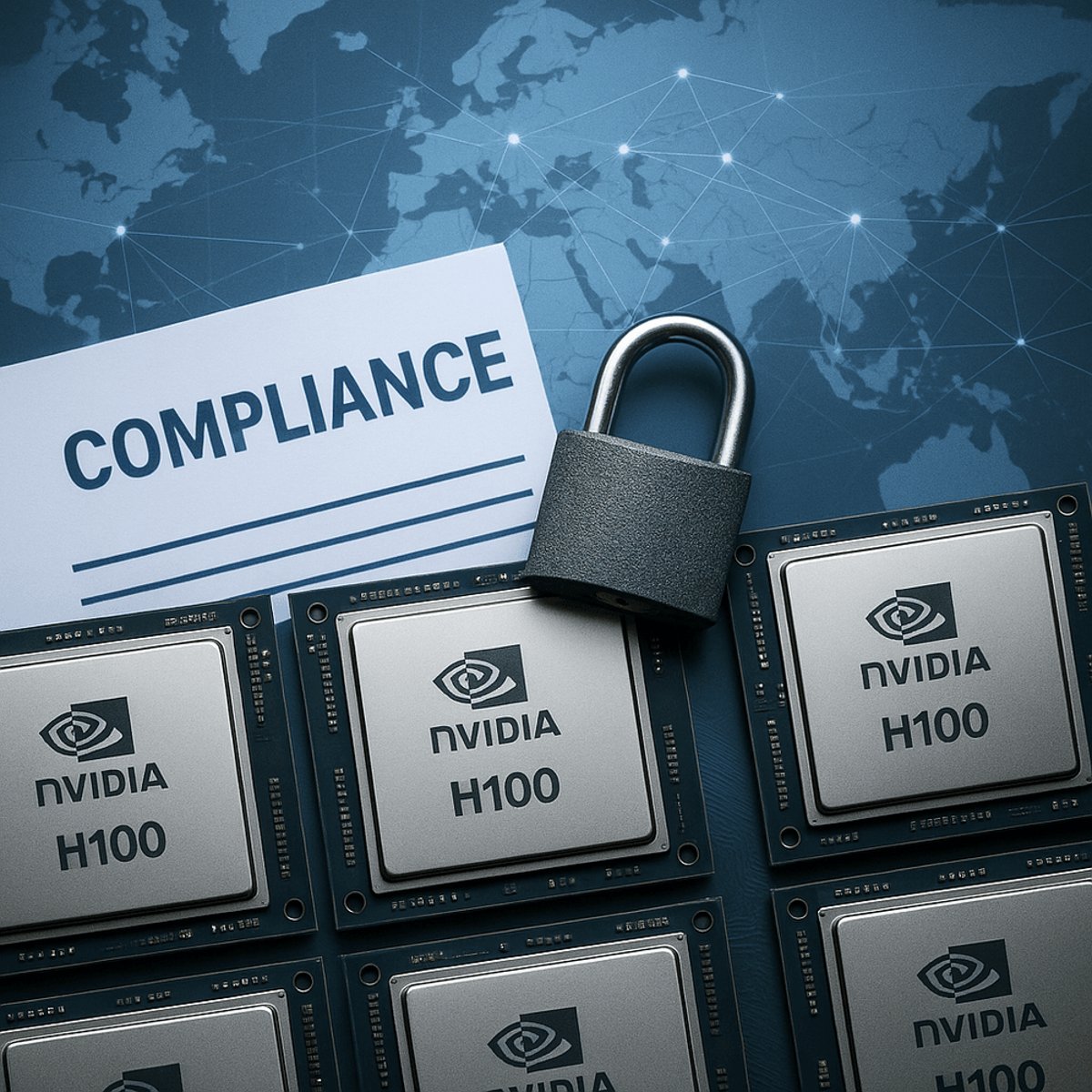
The arrest of two Chinese nationals for illicitly exporting Nvidia AI chips from the U.S. to China highlights serious regulatory challenges. As the U.S. cracks down on tech transfers, stakeholders must navigate complex export controls that impact global AI development. Focusing on compliance and monitoring could be key to avoiding similar setbacks.
Opening Analysis
Recently, two Chinese nationals residing in California were arrested for smuggling Nvidia's AI chips into China, without obtaining the necessary licenses from the U.S. Department of Commerce. This illegal activity underscores the challenges that lie in the compliance of export regulations, particularly in sensitive tech areas like AI chips, which are pivotal for advancements in AI-driven industries.
This incident involves Nvidia's H100 chips, considered some of the most advanced processing units available for AI and machine learning applications. For Nvidia, this not only represents a breach of security in their distribution channels but also poses potential threats to international relations concerning technology transfers and export controls.
Market Dynamics
The Nvidia H100 chips are intensely sought after for advancing AI capabilities, becoming integral to data centers and high-performance computing applications worldwide. However, the firm's growth in certain markets, such as China, faces considerable constraints due to stringent U.S. export control policies aimed at curtailing technology flow that may strengthen foreign military capacities.
Technical Innovation
The H100 chips notably advance applications in deep learning and AI, offering unmatched processing speeds and efficiencies. Their deployment, however, has been tightly controlled due to these capabilities potentially augmenting military and security technologies in non-allied nations. Nvidia's proprietary technology demands vigilant export and partnership management to deter unauthorized use, as demonstrated by the current legal challenges.
Financial Analysis
Financially, Nvidia's chip smuggling incident may not immediately impact their bottom line but signifies potential vulnerabilities in operational oversight. In proactive terms, Nvidia has reassured stakeholders about strict compliance mechanisms with U.S. partners to navigate this complex regulatory landscape, a critical step as they aim for sustained growth in AI markets.
Strategic Outlook
In the next 3-6 months, we can expect intensified regulatory scrutiny and increased monitoring of international tech transfers, especially concerning AI and high-performance computing. Over the next 1-2 years, companies will likely need to bolster their compliance frameworks to avoid legal conflicts, emphasizing transparent operations and partnerships.
In conclusion, while global markets gradually adapt to evolving regulatory landscapes, proactive measures in compliance, monitoring, and strategic partnerships will be vital for leveraging AI advancements securely and legally.
Key Takeaways:
- Compliance Vigilance: Companies must prioritize compliance with technological export controls, especially in emerging tech fields like AI.
- Strategic Implications: Firms should reassess their partnerships and distribution channels to avoid legal disputes.
- Future Opportunities: Investing in robust compliance infrastructures and legal training is essential to mitigate risks and capitalize on global tech opportunities.