The InnAIO T10 AI translator promises to revolutionize real-time communication with features like voice cloning and magnetic phone attachment, but a buggy app interface and aggressive subscription model undermine what could be genuinely useful technology. At $179 annually for full features, it's asking premium prices for beta-level polish.
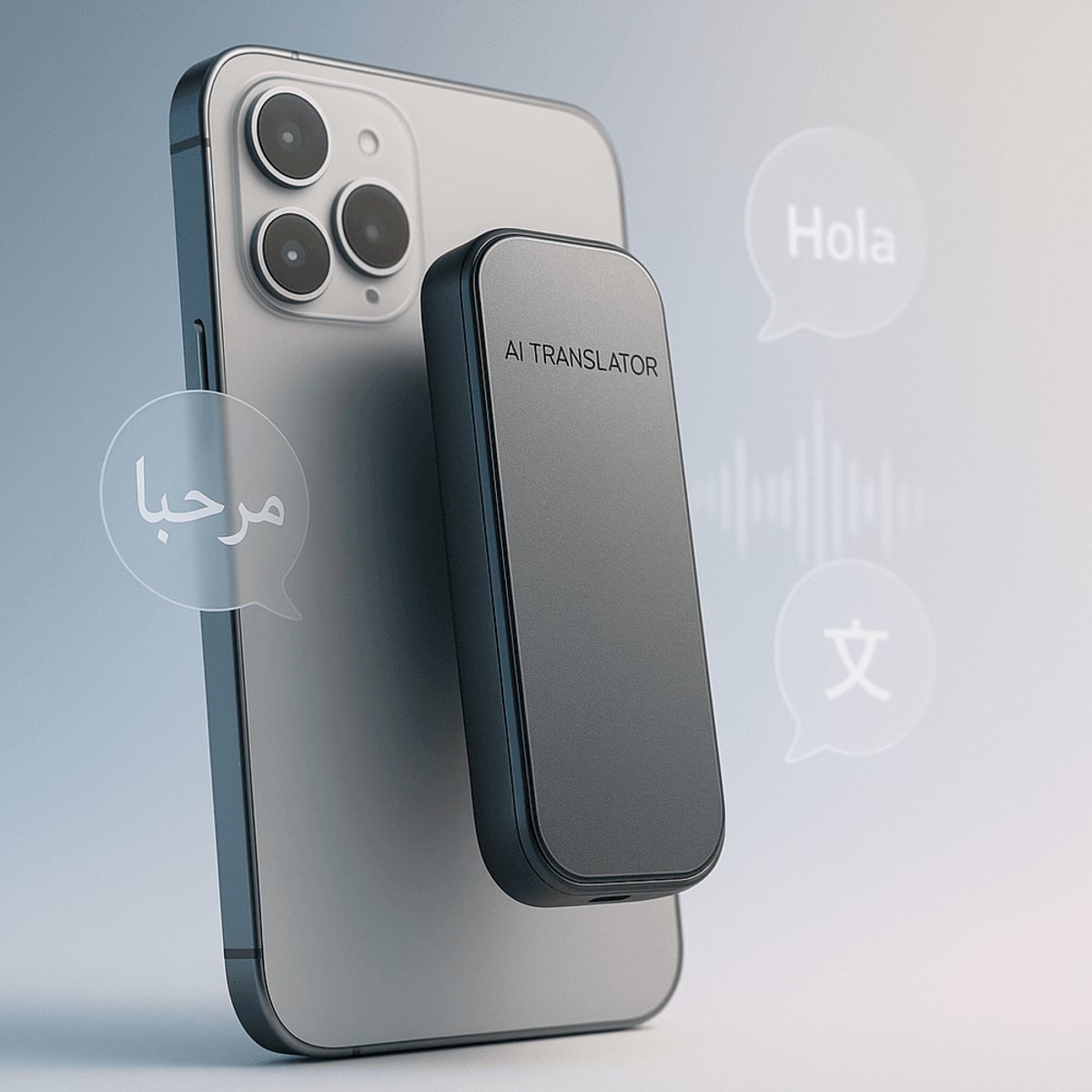
The InnAIO T10 represents an intriguing bet on dedicated AI translation hardware at a time when smartphone apps increasingly dominate the space. The device clips magnetically to your phone's back and promises features you won't find in Google Translate or other apps - but whether that's enough to justify its existence is another question entirely.
The standout feature is voice cloning that actually works. Unlike the Vasco Q1's underwhelming attempt, the T10's system produces eerily accurate recreations of your voice with foreign accents applied. According to WIRED's Christopher Null, who tested the device extensively, the cloned voice sounds "eerily like my own, just with a rich Spanish, Russian, or Tamil accent applied." It's the kind of feature that feels genuinely futuristic - when it works.
But that's where the T10's promise starts breaking down. The InnAIO Pro app that controls the device feels like it was rushed to market without proper localization testing. Null found interface elements stuck in pidgin English, with some sections never translated from Chinese at all. When you save translation recordings, the language identifiers appear in Chinese characters - hardly confidence-inspiring for a product positioning itself as a premium communication tool.
The hardware itself shows more polish than the software. The 60-mAh battery delivers on its 15-hour usage promise, though the device aggressively shuts itself off after just minutes of inactivity. USB-C charging keeps things modern, and the magnetic attachment system works reliably with most phone cases.
Where InnAIO really stumbles is the subscription model. After 180 days of included service - barely enough time to properly evaluate the device - users face a choice between $14 monthly ($100 annually) for 600 minutes of real-time features, or $25 monthly ($179 annually) for unlimited usage. Without a subscription, you're limited to 120 minutes monthly and lose call translation entirely.
That pricing puts the T10 in direct competition with smartphone apps that cost nothing and increasingly offer similar AI-powered features. Google's Pixel phones now include live translation capabilities, while Apple's iOS 18 brought enhanced translation features to iPhones. The T10 needs to be significantly better than free alternatives to justify its cost.
The device does offer unique capabilities like cross-app translation and specialized face-to-face conversation modes that remain free across all subscription tiers. But these feel like table stakes rather than differentiators in 2024's competitive landscape.
The translation accuracy itself appears solid when the system works properly, though Null's testing suggests reliability issues persist. The voice cloning genuinely impresses - it's noticeably superior to Vasco's implementation - but the overall package feels half-baked.
For travelers or business users who need reliable real-time translation, the T10's current state is frustrating. The hardware shows promise and the voice cloning technology demonstrates real innovation. But the poor app experience and aggressive monetization strategy suggest InnAIO prioritized getting to market over delivering a polished product.
Competitors aren't standing still either. Vasco continues iterating on its translator line, while smartphone manufacturers keep adding AI translation features to their devices. The window for dedicated translation hardware may be narrowing faster than InnAIO anticipated.
The InnAIO T10 showcases genuinely impressive voice cloning technology that outpaces competitors, but it's undermined by a buggy app experience and subscription pricing that feels premature for such an unpolished product. While dedicated translation hardware has potential advantages over smartphone apps, the T10 needs significant software improvements and a more reasonable pricing structure to compete effectively. Early adopters might find value in its unique features, but most users are better served waiting for either significant improvements or exploring established alternatives from Google and Apple.