Instagram just crossed a line that's got the creator economy up in arms. The platform's rolling out AI-powered shopping buttons on influencer posts - without asking first. When followers of Julia Berolzheimer, a fashion influencer with over a million fans, clicked the surprise "Shop the look" feature on her posts, they weren't directed to products she endorsed. Instead, Instagram's AI was serving up similar alternatives, essentially hijacking her audience for its own commerce play.
Instagram just handed creators an unwelcome surprise. Fashion influencer Julia Berolzheimer discovered her posts had sprouted "Shop the look" buttons she never added. When her million-plus followers clicked through, they weren't buying what she recommended - they were seeing Instagram's AI-picked alternatives.
The feature, first exposed by Puck in late February, represents a fundamental shift in how Meta views its relationship with creators. For years, influencers controlled their own monetization - carefully selecting brand partnerships, negotiating rates, and maintaining relationships with specific companies. Now Instagram's computer vision scans their content, identifies products, and inserts its own shopping suggestions. It's like having a salesperson follow you around, redirecting your customers to cheaper alternatives.
Berolzheimer isn't alone. The beta test appears to be hitting creators across fashion and lifestyle categories, the exact niches where influencer marketing generates billions in annual revenue. These creators built their audiences through years of consistent content and trusted recommendations. The "Shop the look" feature essentially commodifies that trust, turning carefully curated posts into generic shopping catalogues.
What makes this particularly thorny is the lack of consent. Creators weren't asked if they wanted this feature. They weren't offered a share of the revenue. They simply woke up to find their posts transformed into storefronts they didn't design, promoting products they didn't choose. For someone like Berolzheimer, whose business model depends on exclusive brand partnerships, having Instagram suggest competing products directly undermines her livelihood.
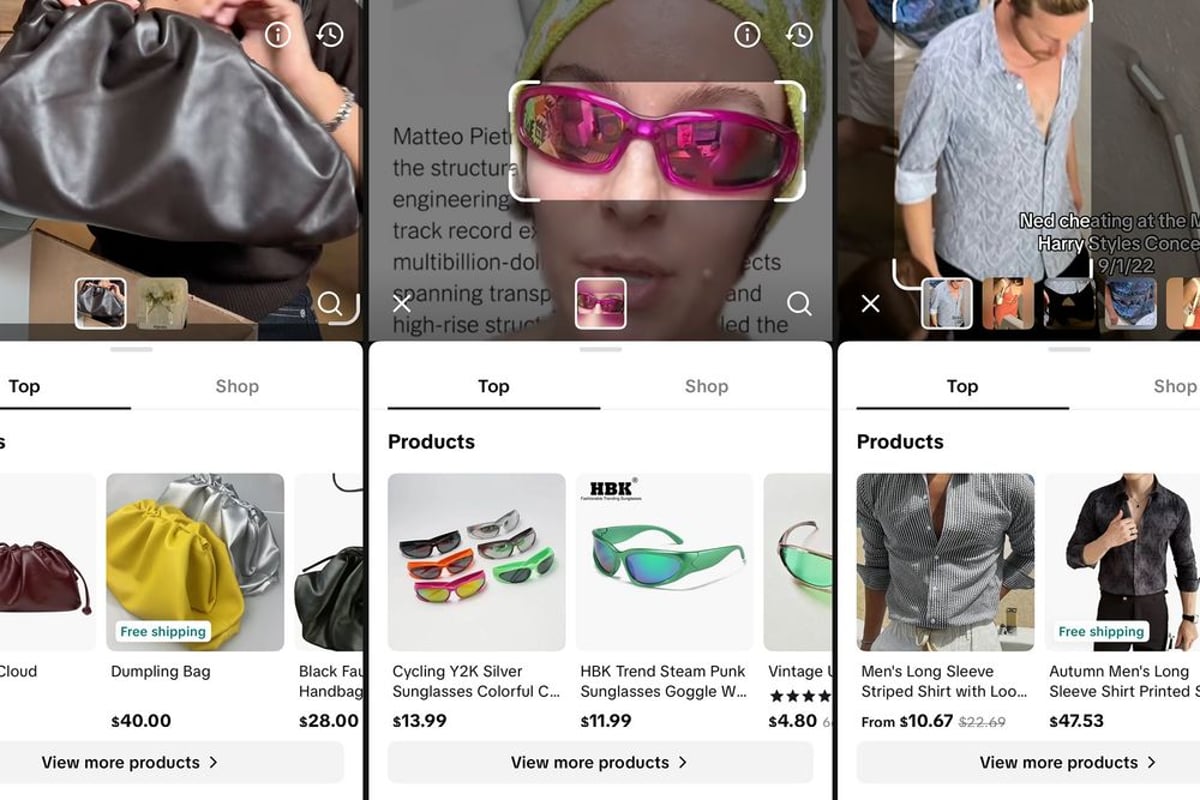
Meta's move mirrors TikTok's earlier rollout of a "Find similar" feature that uses AI to scan videos and surface products available on TikTok Shop. Both platforms are leveraging the same technological capability - advanced image recognition that can identify clothing, accessories, and products in user-generated content. But they're deploying it in ways that fundamentally rewrite the creator-platform relationship.
The timing isn't coincidental. Social commerce has become the battleground where platforms are fighting for e-commerce dollars. Meta sees Amazon eating into product discovery. TikTok turned its Shop into a money printer. Traditional influencer marketing, where creators negotiate individual deals, is too slow and too expensive for platforms chasing scale.
But here's what Instagram might be underestimating - creator rebellion. The platform's already dealing with complaints about algorithm changes burying organic reach. Now it's messing with money. Fashion and lifestyle influencers, the exact cohort getting hit with these AI shopping buttons, represent some of Instagram's most valuable content producers. If they start migrating to platforms that respect their monetization rights, Instagram could find itself in a creator exodus it can't afford.
The technical execution reveals how far AI-powered commerce has come. Instagram's computer vision doesn't just recognize generic categories like "dress" or "shoes" - it's sophisticated enough to identify style attributes, colors, materials, and price points. Then it matches those characteristics against Instagram Shop inventory to surface alternatives. The whole process happens automatically, at scale, across millions of posts.
For brands, this creates a weird dynamic. If you paid an influencer $10,000 to promote your product, but Instagram's AI redirects their followers to a competitor's cheaper version, did you just waste your money? Influencer marketing agencies are already wrestling with how to measure ROI when the platform itself is working against campaign goals.
The creator economy runs on trust - between creators and their audiences, between creators and brands, and between creators and platforms. Instagram's unilateral decision to insert AI-powered shopping into creator content without permission breaks that third leg of the stool. It treats creators less like partners and more like content suppliers whose audiences are up for grabs.
What's not clear yet is whether creators have any recourse. Can they opt out? Do they get a revenue share if their content drives sales through these AI links? Instagram hasn't publicly answered these questions, and the beta test's quiet rollout suggests the company knew this would be controversial.
Industry watchers are calling this the inevitable endpoint of platform evolution. First, platforms give creators tools to build audiences. Then they monetize those audiences through ads. Finally, they cut creators out entirely and monetize the content directly. It's the same playbook Meta ran with Facebook Pages, slowly throttling organic reach until brands had to pay for distribution.
Instagram's AI shopping experiment isn't just a feature rollout - it's a declaration about who owns the creator economy. By inserting product links without permission, Meta's signaling that creator content is raw material for its commerce engine, not sacred ground that requires consent. Whether creators accept this new reality or fight back will determine if social platforms remain partnerships or become digital landlords extracting rent from someone else's work. The next few months will reveal if Instagram's bet on AI commerce is worth alienating the creators who made it valuable in the first place.