Instagram is launching a new safety feature that alerts parents when their teenagers search for suicide or self-harm related content on the platform. The update, announced today by Meta, marks the company's latest effort to address growing concerns about teen mental health on social media as lawmakers and parents demand stronger protections for young users.
Instagram is expanding its parental controls with a feature that could reshape how families navigate teen safety online. Starting today, Meta will automatically notify parents when their teenagers search for content related to suicide, self-harm, or eating disorders on the platform.
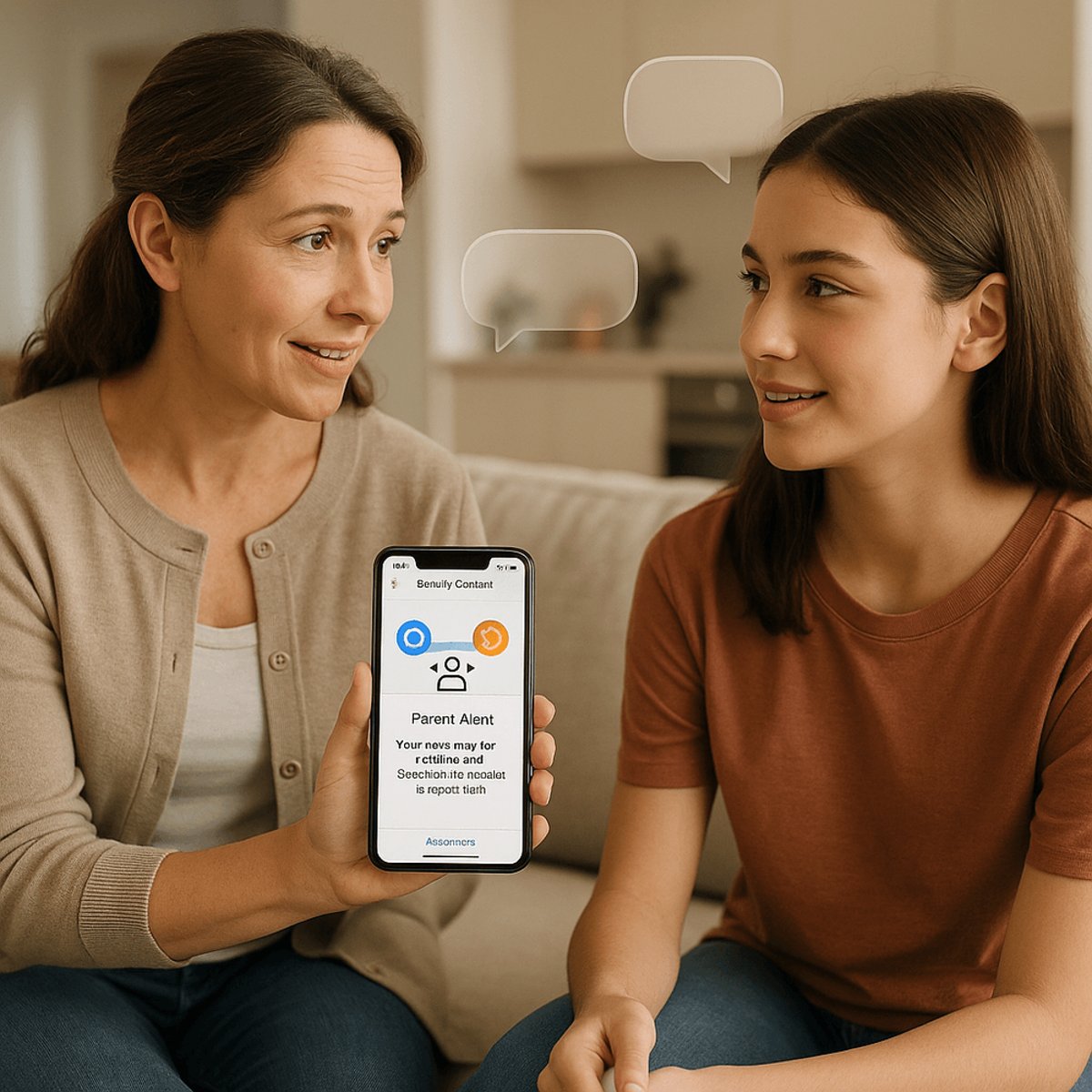
The alert system works within Instagram's existing Family Center, which allows parents to supervise their teen's account activity. When a teen conducts a search using keywords associated with self-harm or suicidal ideation, their parent or guardian receives an immediate notification through the Family Center dashboard. Along with the alert, Meta provides access to mental health resources and guidance on how to start conversations about online safety.
The timing isn't coincidental. Meta has spent the past two years fighting a public relations battle over its impact on teen mental health. Internal documents leaked in 2021 revealed the company knew Instagram made body image issues worse for one in three teen girls. Since then, the company has faced lawsuits from dozens of state attorneys general and congressional hearings where CEO Mark Zuckerberg apologized directly to families affected by social media harms.
"We recognize parents want more visibility into their teen's online experiences, especially around sensitive topics," a Meta spokesperson said in a statement. The company didn't specify whether the alerts are opt-in or automatic for all accounts using Family Center supervision.
But the feature raises questions about privacy and trust between parents and teens. Mental health advocates have long debated whether surveillance-style monitoring helps or harms young people in crisis. Some experts argue that teens might avoid seeking help online if they know searches trigger parental alerts, potentially cutting them off from support communities and resources.
The notification system appears to focus on search behavior rather than content consumption, meaning parents won't be alerted if their teen simply scrolls past sensitive content in their feed. Meta uses a combination of keyword detection and machine learning to identify concerning searches, though the company hasn't disclosed specifics about which terms trigger alerts.
Instagram already restricts content related to self-harm and suicide from appearing in search results and recommendations. When users search for related terms, the platform typically shows an interstitial screen with crisis resources, including the National Suicide Prevention Lifeline and Crisis Text Line. The new parental alerts add another layer to this existing framework.
This move puts Meta ahead of competitors like TikTok and Snapchat in terms of parental oversight tools, though both platforms have their own teen safety features. TikTok recently introduced content filtering options for parents, while Snapchat's Family Center allows location sharing and friend list visibility.
The announcement comes just weeks before Meta is scheduled to testify before Congress again on child safety issues. Lawmakers have been pushing for federal legislation that would require social platforms to provide stronger parental controls and age verification systems. The Kids Online Safety Act, which has bipartisan support, could mandate features similar to what Meta is now rolling out voluntarily.
For parents, the feature will be available immediately if they've already set up Instagram's Family Center with their teen. The supervision tools require teens to approve the connection, which Meta says respects teen autonomy while giving families options for oversight. Teens can see when parents view their activity, though they can't prevent the mental health search alerts once Family Center is active.
The broader question is whether these tools address the root causes of teen mental health struggles on social media. Critics argue that notification systems treat symptoms rather than fixing algorithmic recommendations that push harmful content to vulnerable users. Meta has made changes to its recommendation systems over the past year, but researchers say more transparency is needed about how content reaches teen audiences.
Mental health organizations are taking a cautious approach. While they support giving parents tools to help struggling teens, they emphasize that alerts should start conversations, not punishment. Resources provided alongside the notifications include guidance on approaching teens with empathy and connecting them with professional support when needed.
Instagram's new parental alert system reflects the reality that social platforms are being forced to take teen safety more seriously, whether through regulation or reputation management. For families, it's another tool in an increasingly complex digital parenting toolkit. But the real test won't be whether parents get notified - it'll be whether these interventions actually help teens in crisis get the support they need without driving them away from seeking help online. As Meta rolls this out globally, the company will need to balance oversight with trust, a challenge that no algorithm has yet solved.