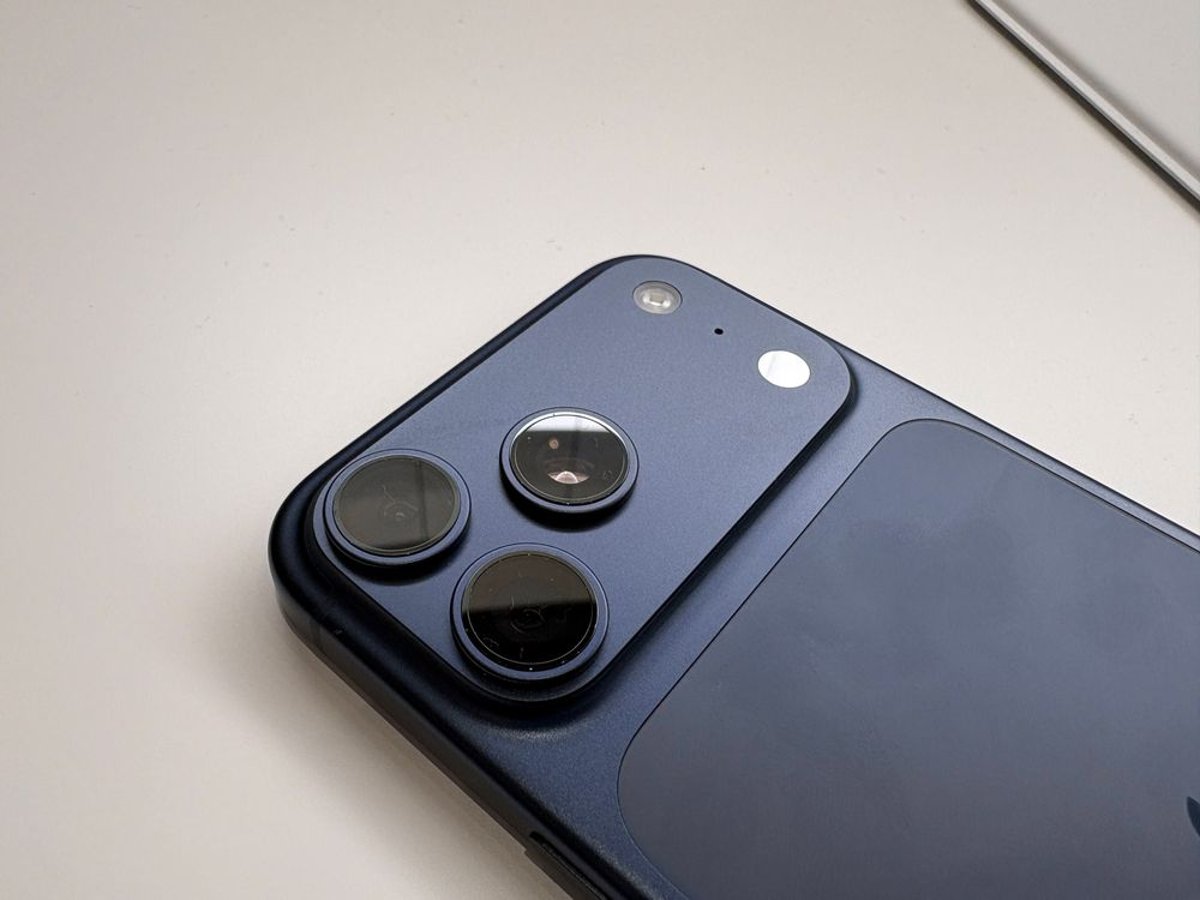
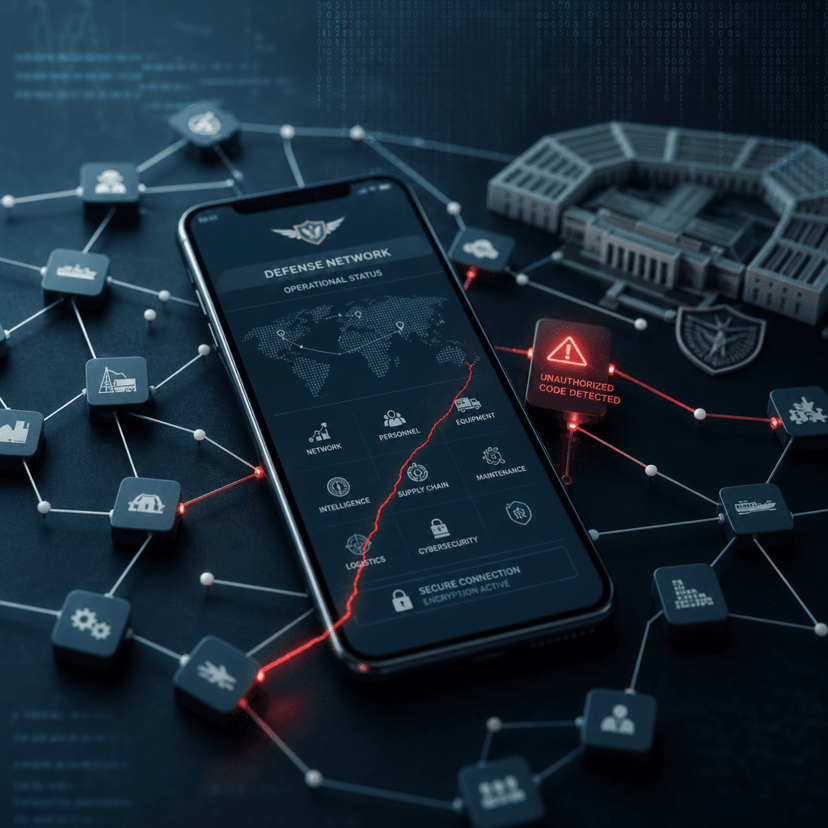
Apple just dropped a security bombshell that could reshape the spyware wars. The iPhone 17 lineup introduces Memory Integrity Enforcement (MIE), what Apple calls "the most significant upgrade to memory safety in consumer operating systems." This isn't just marketing speak - it's a direct shot at the mercenary spyware industry behind tools like Pegasus that have targeted activists, journalists, and dissidents worldwide.
Apple isn't just selling thinner phones and better cameras with the iPhone 17 - they're declaring war on the global spyware industry. The company's new Memory Integrity Enforcement represents the biggest security leap in iPhone history, specifically engineered to stop the kind of sophisticated attacks that have made headlines for targeting high-profile individuals.
The timing couldn't be more pointed. As governments and private actors increasingly deploy tools like Pegasus to hack into devices, Apple is building fortress-level defenses directly into silicon. "With the introduction of the iPhone 17 lineup and iPhone Air, we're excited to deliver Memory Integrity Enforcement: the industry's first ever, comprehensive, always-on memory-safety protection," the company announced, covering everything from the kernel to over 70 userland processes.
This isn't just an incremental security update. Apple's approach builds on ARM's Memory Tagging Extension (MTE) but goes significantly further than what we've seen from competitors. While Google has supported MTE on Pixel phones starting with the Pixel 8 series, users have to manually enable Advanced Protection for supported apps. Apple's implementation protects all users by default.
The secret sauce lies in Apple's custom A19 and A19 Pro chips, designed specifically for this enhanced security model. Unlike previous security features that came with performance penalties, Apple claims its new mitigation for Spectre V1 vulnerabilities works with "virtually zero CPU cost." That's a significant breakthrough - Microsoft's memory integrity features for Windows 11 have historically slowed systems down, leading some users to disable security features for better gaming performance.
The implications extend far beyond individual users. Ivan Krstić, Apple's head of security engineering, called it "the culmination of an unprecedented design and engineering effort" on social media. But the real target is clear: making life harder for the mercenary spyware industry that has thrived on memory-based exploits.
Apple's enhanced Memory Tagging Extension (EMTE) works alongside secure typed allocators and tag confidentiality protections to create multiple layers of defense. When malicious code tries to exploit memory vulnerabilities - a favorite attack vector for sophisticated spyware - the system can detect and block the attempt in real-time.
The competitive landscape is already responding. The security-focused GrapheneOS project acknowledged the "major security improvements" but took issue with how Apple presented iOS security compared to existing Android MTE features. It's the kind of technical debate that reveals just how high the stakes have become in mobile security.
For older iPhones, Apple isn't leaving users behind. The company is adding memory safety improvements to hardware that doesn't support the new tagging features, though the full MIE protection requires the new A19 chips.
What makes this particularly significant is Apple's holistic approach. Rather than bolting security onto existing systems, they've redesigned the entire stack - from silicon to software - with memory integrity as a core principle. This represents the kind of fundamental rethinking that only a company controlling both hardware and software can achieve.
The spyware industry, which has generated billions in revenue by exploiting memory vulnerabilities, now faces a much steeper climb. Each new protection layer increases development costs and reduces the reliability of exploits - exactly what Apple intended when it decided to make "mercenary spyware" the explicit target of this effort.
Apple's Memory Integrity Enforcement isn't just another security update - it's a fundamental shift in how mobile devices defend against sophisticated attacks. By building protection directly into the A19 chips and making it invisible to users, Apple has raised the bar for the entire industry. Whether this finally puts a dent in the mercenary spyware business remains to be seen, but one thing is clear: the iPhone 17 just made life significantly harder for anyone trying to break into your phone.