Luma just fired a major shot in the AI agents race. The company exclusively unveiled Luma Agents to TechCrunch, a new platform powered by what it calls "Unified Intelligence" models that can coordinate multiple AI systems to produce complete creative projects spanning text, images, video, and audio. It's a significant leap from single-purpose AI tools to autonomous systems that handle end-to-end creative workflows, positioning Luma squarely against the likes of OpenAI and Anthropic in the booming agentic AI market.
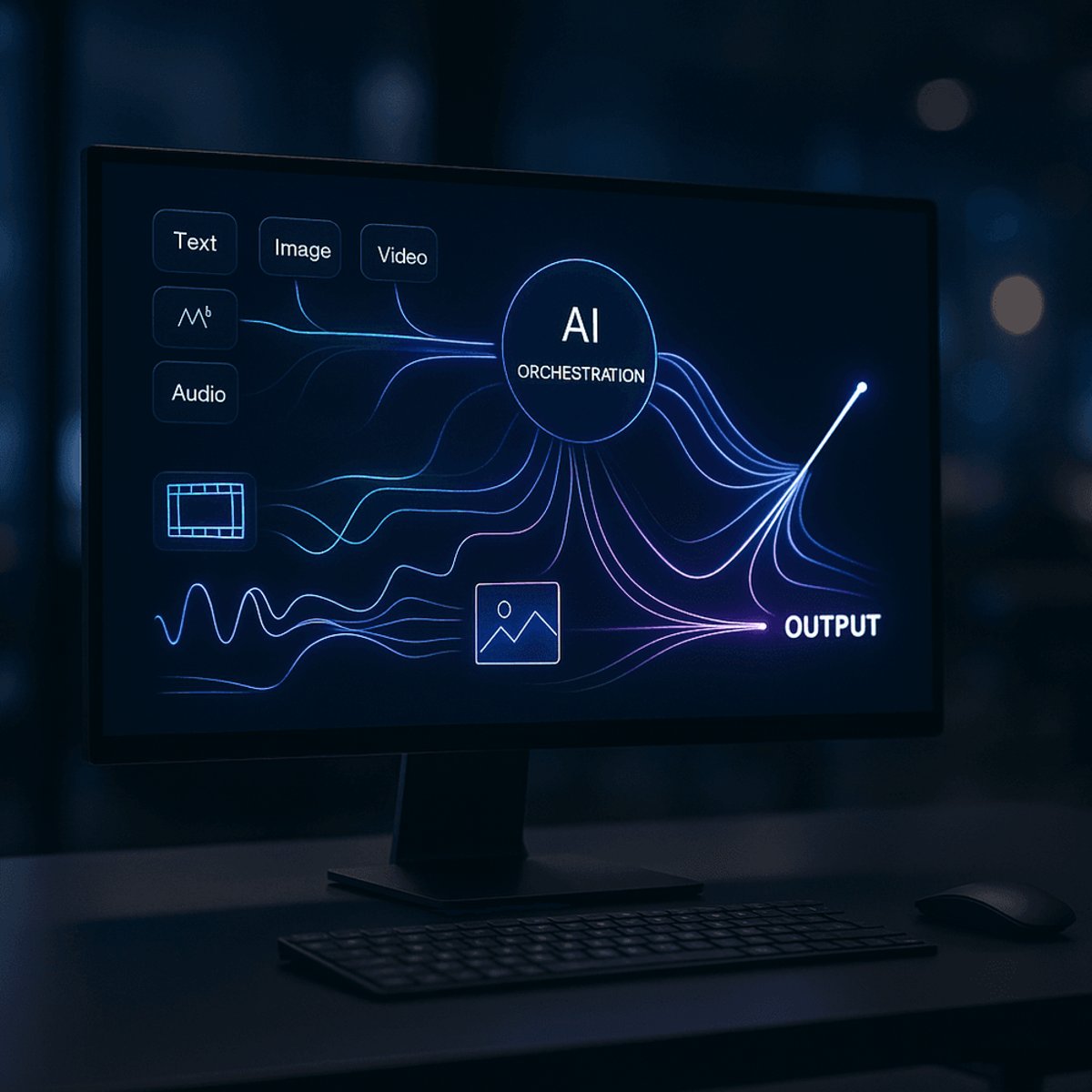
Luma is making its boldest move yet. The AI video startup just dropped Luma Agents, a platform that doesn't just generate content but actually coordinates different AI systems to produce complete creative work. According to the exclusive TechCrunch report breaking the news, these agents run on Luma's newly developed "Unified Intelligence" models, which orchestrate text, image, video, and audio generation in tandem.
This isn't just another feature update. Luma is betting that the future of AI isn't about better individual models but smarter coordination between them. Where previous tools required users to bounce between different platforms for scripting, design, video editing, and sound, Luma Agents promises to handle the entire pipeline autonomously. You give it a creative brief, and it figures out how to deploy the right AI systems in the right sequence to deliver a finished product.
The timing couldn't be more strategic. AI agents have become the hottest battleground in artificial intelligence, with companies racing to build systems that can actually complete complex tasks rather than just answer questions. OpenAI has been pushing its own agent capabilities, Anthropic recently showcased Claude's ability to control computers, and now Luma is carving out the creative production niche with multimodal coordination.
What makes Luma's approach interesting is the emphasis on "Unified Intelligence" as a distinct architectural philosophy. Instead of training one massive model to do everything, Luma appears to be building specialized orchestration layers that know when to call different expert systems. It's a bit like having a creative director who knows exactly which specialists to bring in for each phase of a project, except the director and all the specialists are AI.
The company has been known primarily for its AI video generation technology, competing in a space that includes Runway, Pika, and increasingly, the tech giants themselves. But Luma Agents represents a pivot toward something more ambitious - positioning itself as a platform for autonomous creative production rather than just a video tool. That's a smart move as the market for AI video generators gets increasingly crowded and commoditized.
For creative professionals, this raises both opportunities and concerns. On one hand, automating the coordination of multiple production steps could dramatically accelerate workflows and lower barriers to high-quality content creation. A solo creator could theoretically produce work that previously required an entire production team. On the other hand, it intensifies questions about the role of human creativity when AI can handle everything from concept to final edit.
The launch also highlights how quickly the AI landscape is fragmenting into specialized niches. While OpenAI and Anthropic are building general-purpose agent frameworks, companies like Luma are betting they can win by going deep in specific verticals. Creative production is a massive market - from advertising to entertainment to corporate communications - and whoever cracks truly autonomous multimodal generation could capture enormous value.
What we don't know yet is how well these agents actually perform in practice. Coordinating multiple AI systems sounds great in theory, but the devil is in the details. How much creative control do users retain? What happens when different models produce outputs that don't mesh well together? How does Luma handle the compounding error problem that can occur when AI-generated content becomes the input for other AI systems? These are the questions early users will be testing.
The competitive dynamics are fascinating too. Luma is essentially trying to build a moat by focusing on coordination and workflow rather than raw model performance. Even if larger companies have better individual models for text, images, or video, Luma could win if its orchestration layer is superior. That's a different game than the foundation model arms race, and potentially one where a smaller, focused company has real advantages.
There's also the business model question. AI agents that handle complete workflows are inherently more valuable than single-purpose tools, which means Luma could potentially command higher prices. But they also require more computational resources since they're running multiple models in concert. How the company prices Luma Agents and whether it can make the unit economics work will be crucial to watch.
Luma's launch of AI agents powered by Unified Intelligence models marks a strategic shift from point solutions to orchestrated workflows in the AI creative space. Whether this approach - betting on coordination rather than just model performance - can compete with the deep resources of OpenAI and Anthropic remains to be seen. But for creative professionals and content producers, the promise of autonomous end-to-end production is compelling enough to make Luma Agents one of the most interesting launches in the AI agents race. The real test comes when these systems meet actual production deadlines and creative standards in the wild.