Meta CEO Mark Zuckerberg walked into a Los Angeles courthouse Wednesday with his team sporting the company's Ray-Ban smart glasses - and walked straight into a privacy firestorm. Judge Carolyn Kuhl immediately spotted the camera-equipped wearables and issued a stark warning that anyone caught recording would face contempt of court charges. The incident reveals a growing tension between AI-powered consumer tech and institutions built on privacy rules written long before anyone imagined cameras hidden in everyday eyewear.
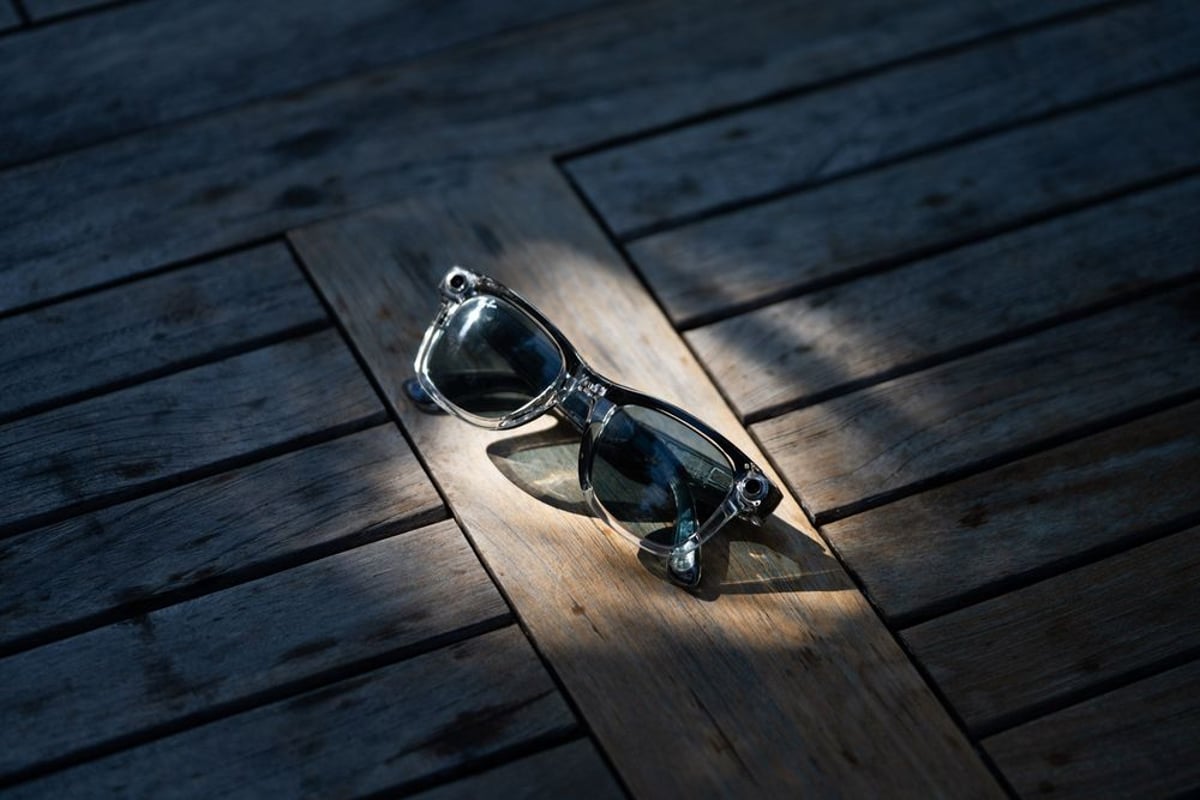
Meta just gave the legal system a crash course in why smart glasses terrify privacy advocates. When Mark Zuckerberg arrived at a Los Angeles courthouse Wednesday for a high-profile trial, his entourage came equipped with the company's latest Ray-Ban smart glasses - sleek eyewear packing cameras and AI capabilities that look identical to regular sunglasses.
Judge Carolyn Kuhl wasn't having it. According to CNBC's reporting, she quickly warned anyone wearing the glasses that recording in court would result in contempt charges and immediate deletion of any footage. She ordered everyone wearing AI smart glasses to remove them entirely - a rare judicial intervention into what tech companies market as the future of everyday computing.
The warning didn't completely stick. At least one person was spotted still wearing the glasses in a courthouse hallway near jurors after the judge's directive. Plaintiff attorney Rachel Lanier was told the glasses weren't recording at the time, but the incident underscores exactly why these devices make legal experts nervous - there's no reliable way to verify whether someone's actually recording or just wearing stylish eyewear.
Meta launched its latest Ray-Ban smart glasses in 2023, positioning them as a breakthrough in wearable AI. The glasses can capture photos and video, livestream to social media, and tap into Meta's AI assistant for real-time information. The company added a small LED indicator light meant to signal when recording is active, but critics have long argued the light is too subtle and easily missed in normal lighting conditions.
Courts have maintained strict recording bans for decades to protect jury integrity, witness safety, and fair trial rights. Most jurisdictions prohibit cameras and recording devices entirely, with limited exceptions for official court media. But those rules were written for obvious cameras and smartphones - not devices that look exactly like regular prescription glasses.
The timing couldn't be more awkward for Meta. Zuckerberg was in court facing litigation related to social media safety concerns, and his company's own product became the story. The incident hands ammunition to privacy advocates who've warned that normalizing hidden cameras in everyday accessories creates surveillance risks that existing laws can't address.
Legal institutions aren't the only ones struggling to adapt. Schools, hospitals, gyms, and other privacy-sensitive spaces face similar enforcement challenges. How do you ban recording devices when they're indistinguishable from regular eyewear? Several venues have started blanket bans on smart glasses entirely, but enforcement remains nearly impossible without searching everyone who walks through the door.
Apple is reportedly developing its own smart glasses, while Google never fully abandoned the concept after its Google Glass stumbled in 2014. Amazon also sells Echo Frames with audio capabilities. As more tech giants push into wearable AI, the courthouse confrontation signals that regulatory and institutional pushback is just beginning.
The courtroom incident also raises questions about power dynamics. When the CEO of a major tech company shows up to court with his team wearing the very devices designed to blur privacy boundaries, it sends a message - intentional or not - about who gets to set the rules. Judge Kuhl's swift response demonstrated that judicial authority still trumps Silicon Valley innovation inside a courtroom, but the broader cultural battle over ambient recording is far from settled.
Privacy researchers have been sounding alarms about this exact scenario for years. Once cameras become invisible and constant, the entire social contract around consent and recording changes. You can politely ask someone to put away their phone, but you can't tell who's wearing smart glasses versus regular frames.
Wednesday's courthouse confrontation isn't just about Mark Zuckerberg's legal team making a tactical error - it's a preview of the collision between wearable AI and institutional privacy protections. As smart glasses become more common and less detectable, courts, schools, hospitals and public spaces will face impossible enforcement challenges. Judge Kuhl could issue orders in her courtroom, but the broader question remains unanswered: how does society maintain privacy boundaries when cameras become invisible accessories? Meta built the technology faster than anyone could write the rules to govern it, and we're all now living in the gap between innovation and regulation.