TL;DR
- - Microsoft integrates OpenAI's gpt-oss-20b into Windows 11
- - Runs on consumer PCs with 16GB VRAM, supporting AI tasks
- - Potential for improving coding and autonomous processes
- - Strategic move by Microsoft to boost AI utility on consumer devices
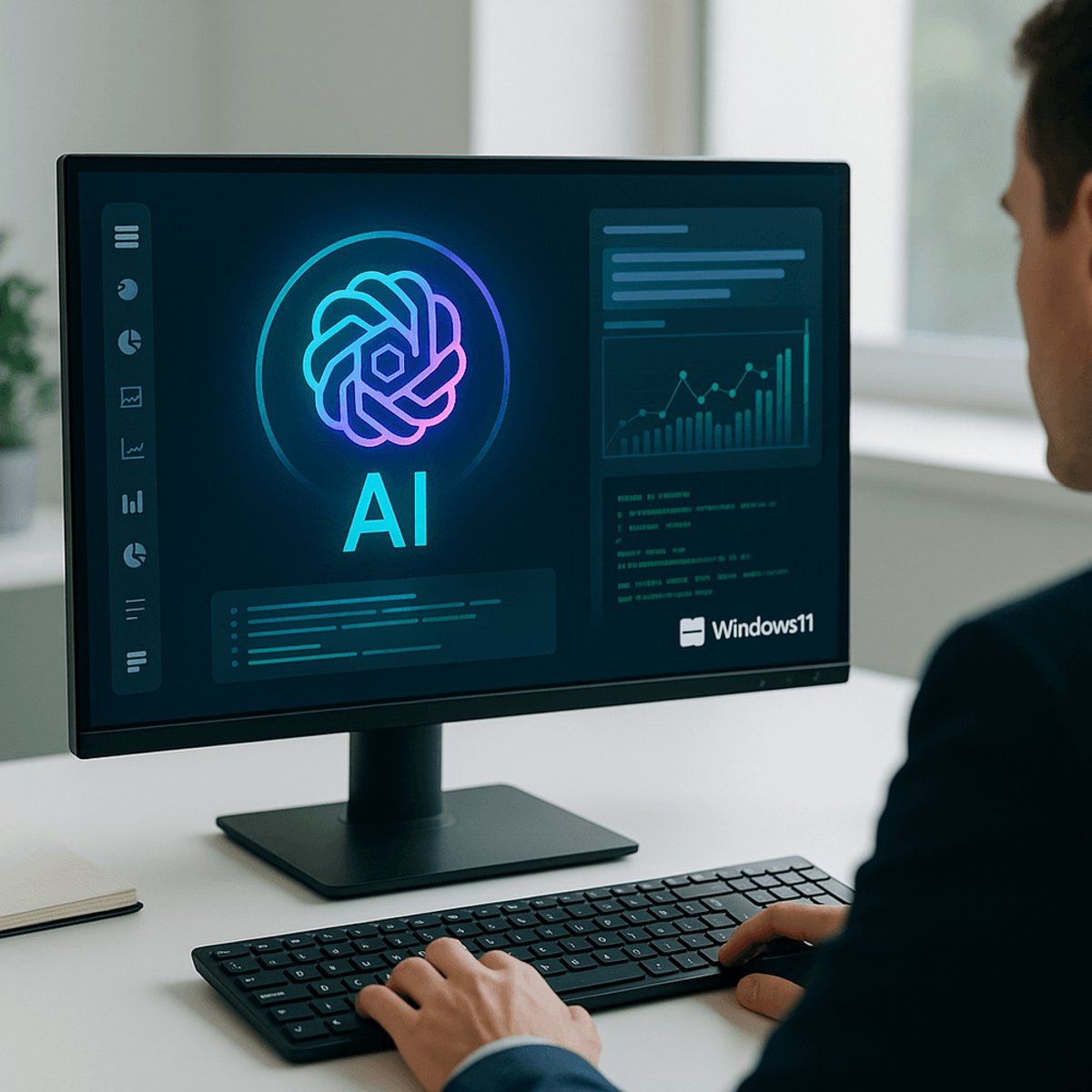
In a significant upgrade for developers and tech enthusiasts, Microsoft is integrating OpenAI's newest free GPT model into Windows 11 through the Windows AI Foundry platform. This move enhances user access to cutting-edge AI capabilities directly on their PCs and laptops, promising increased efficiency and flexibility in deploying AI tools.
Opening Analysis
Microsoft's strategic partnership with OpenAI takes a leap forward as it incorporates the latest GPT model, gpt-oss-20b, into the Windows ecosystem. This collaboration could redefine AI accessibility and application on consumer-grade machines, marking a notable evolution in personal computing. The Windows AI Foundry will facilitate this integration, bringing sophisticated AI features and open-source models to users' fingertips.
Market Dynamics
The competitive landscape shows a keen interest in AI democratization, and Microsoft is positioning itself as a leader by offering high-performance AI tools on conventional devices. This integration not only broadens the utility for tech enthusiasts but also compels competitors to elevate their offerings in consumer tech environments.
Technical Innovation
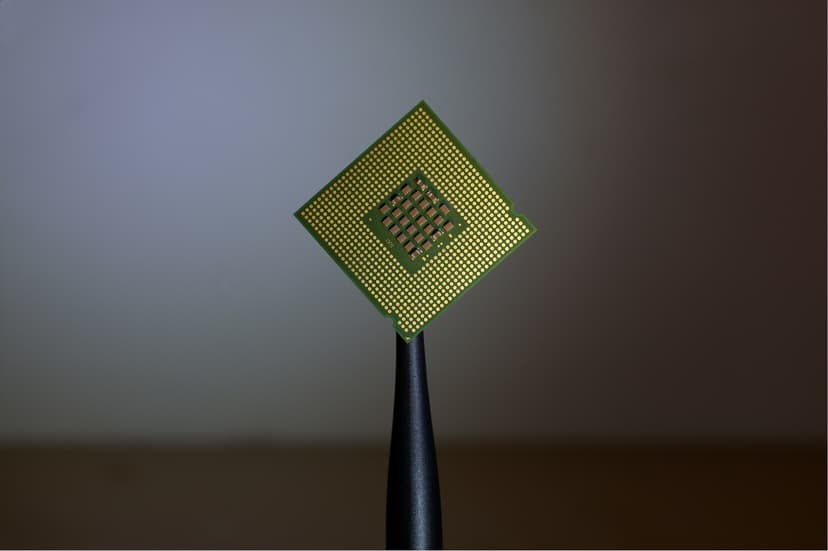
Optimized for agentic tasks like code execution, gpt-oss-20b is lightweight yet powerful, showcasing innovation in AI's practical applications. It can run on any system equipped with at least 16GB of VRAM, typically found in modern GPUs, thus expanding its accessibility across various hardware configurations.
Financial Analysis
From a financial perspective, this move could enhance Windows' position in the tech market, potentially driving Windows 11 adoption rates higher, particularly among developers and tech-savvy users. With accessible AI capabilities, users on Windows can leverage AI without investing in high-end enterprise solutions, positioning Microsoft favorably in the cost-benefit analysis.
Strategic Outlook
As AI continues to be integral to innovative technology solutions, Microsoft’s partnership with OpenAI positions it strategically to capture more market share in the evolving AI landscape. The shift involves not just the integration of sophisticated AI models but also prompts competitors to challenge Microsoft’s growing dominance in AI-powered consumer tech solutions.
In the next three to six months, expect increased AI application developments across Windows 11 environments, with strategic expansions onto other platforms like macOS extending into the next 1 to 2 years.
Key Takeaways:
- Microsoft's integration of OpenAI's model into Windows 11 expands AI accessibility.
- This positions Microsoft as a leader in consumer AI tech applications.
- Future plans include expanding AI capabilities across more platforms, signaling broader market influence.