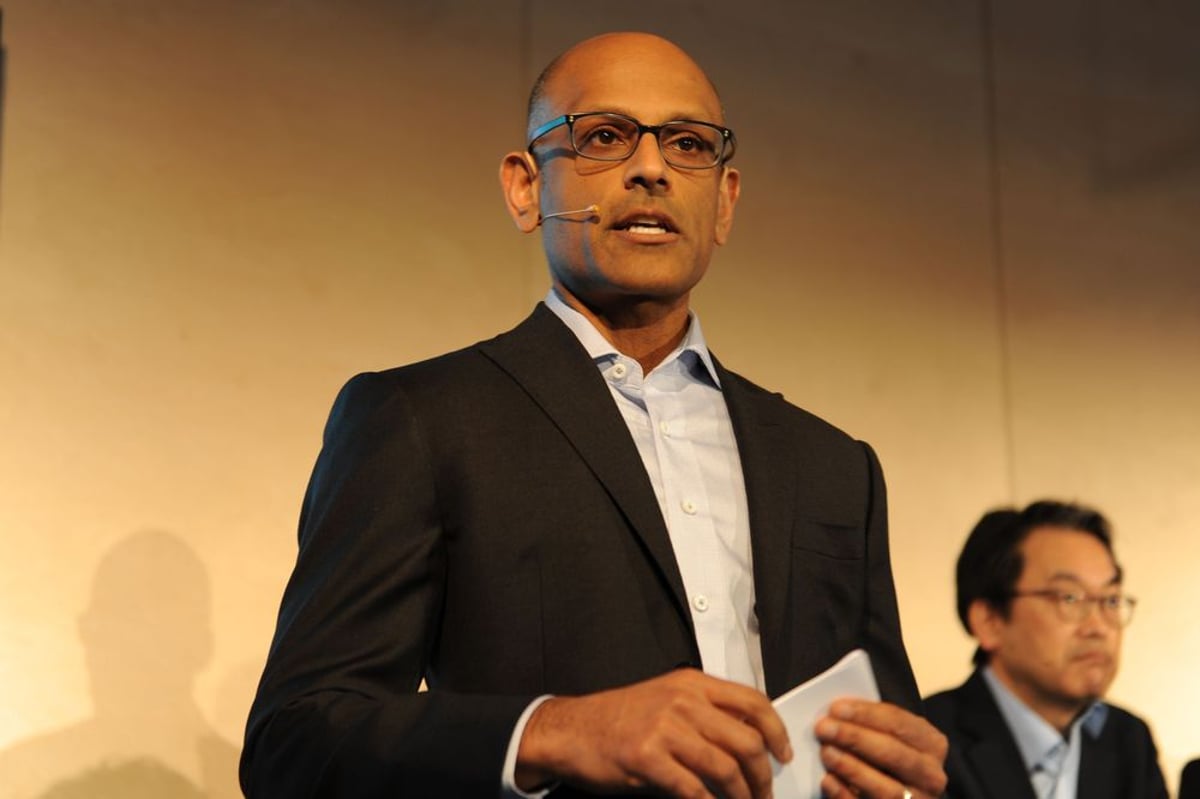
Microsoft just made its boldest move yet in the AI coding wars. At GitHub Universe this week, the company unveiled Agent HQ - a platform that welcomes rival AI coding assistants from OpenAI, Anthropic, and others directly into GitHub's ecosystem. It's a risky embrace-your-competitors strategy that could either cement GitHub's role as the central hub for AI development or backfire spectacularly.
Microsoft's GitHub just threw open its doors to the competition, and the timing couldn't be more critical. The company's Agent HQ platform, announced at GitHub Universe in San Francisco, represents a fascinating gamble - invite your rivals inside rather than risk being left outside entirely.
The platform lets AI coding assistants from OpenAI, Anthropic, Google, Cognition, and xAI plug directly into GitHub's ecosystem. It's an arms-wide-open approach that GitHub's new senior VP Jared Palmer calls essential. "GitHub is in this interesting transition phase," Palmer told The Verge. "It needs to evolve into the platform for not just people, but also agents."
The stakes are enormous. GitHub serves over 180 million developers - a massive user base that could easily migrate if Microsoft falls behind the rapidly evolving AI coding landscape. Tools like Cursor are already orchestrating entire development workflows, moving far beyond simple code completion. In software development, the line between AI helper and AI co-worker is disappearing fast.
Jay Parikh, who oversees GitHub as Microsoft's executive VP of CoreAI, joined from Meta nearly a year ago with a clear mandate: rethink Microsoft's entire AI development stack. Leading roughly 10,000 people, Parikh sees urgent necessity driving the strategy. "We need to move faster," he said in this week's interview. "We need to build better tools, different tools."
The move reflects deeper anxiety within Microsoft about maintaining relevance as AI reshapes software development. Despite pioneering AI coding with GitHub Copilot powered by OpenAI's Codex, the company now faces fierce competition from nimbler startups building agentic tools that handle complex workflows.
Parikh's vision centers on GitHub becoming the connective tissue between AI agents and codebases. "You really want GitHub to be that place, that toolchain, that community for developers to really unlock this innovation," he explained. His prediction: "Humans are going to start spending more time in the specification and creative process and delegate the actual calories they spend to GPUs, to coding agents that generate the code."
The strategy ties directly to Microsoft's expanded partnership with OpenAI. CEO Satya Nadella recently revealed that "GitHub is where that billion to ten billion happened" - referring to how GitHub Copilot's early success convinced him to dramatically expand Microsoft's initial $1 billion OpenAI investment.
GitHub COO Kyle Daigle frames the platform play around developer experience. "A developer shouldn't have to build up memory and context in every single tool that they're using in this AI age," he told reporters. The idea: GitHub becomes the persistent memory layer that AI tools tap into, regardless of which specific assistant developers prefer.
But the embrace-everyone approach carries real risks. By opening GitHub to rival AI systems, Microsoft could inadvertently train developers to depend on competing platforms. If Anthropic's Claude or Google's coding agents prove superior, developers might eventually migrate their workflows elsewhere entirely.
The company's betting that GitHub's unique position - serving as both massive code repository and collaboration hub - creates enough switching costs to keep developers anchored. Engineers don't just use GitHub to store code; they use it to find jobs, build community, and establish professional identity.
Palmer, who joined from Vercel just 10 days before the Universe conference, embodies Microsoft's urgency around the transition. His hiring signals the company's recognition that it needs fresh thinking to navigate the shift from traditional development tools to agentic workflows. The former Vercel executive brings experience from a company that's successfully built developer-friendly platforms that integrate multiple competing services.
Microsoft's Agent HQ represents a high-stakes bet on platform strategy over product differentiation. By welcoming competitors into GitHub's ecosystem rather than trying to wall them out, the company is wagering that being the central hub matters more than having the best individual AI assistant. The approach could cement GitHub's role as the developer universe's connective tissue - or it could train an entire generation of developers to see AI coding tools as interchangeable commodities. With 180 million developers watching, Microsoft can't afford to get this wrong.