Elon Musk's massive AI data center in Memphis has become ground zero for a growing backlash against the AI infrastructure boom. The Colossus facility, built to power xAI's ambitious machine learning operations, is now cited in policy proposals, protests, and litigation across the country as communities push back against the environmental and social costs of AI's insatiable appetite for computing power. What was supposed to showcase American AI dominance has instead become a cautionary tale about the hidden price of the generative AI revolution.
Elon Musk's audacious bet on Memphis is backfiring spectacularly. The billionaire's xAI Colossus data center, a sprawling supercomputing facility designed to train the next generation of artificial intelligence models, has become the poster child for everything communities fear about the AI infrastructure boom.
According to CNBC, data center-related policy proposals, protests, and lawsuits are now underway across the country, with Memphis and Colossus repeatedly invoked as examples of what can go wrong when Big Tech moves too fast.
The facility represents Tesla and xAI's ambitious push to compete with OpenAI, Google, and Microsoft in the AI arms race. But the breakneck speed of construction and the facility's massive energy demands have turned what should have been a economic development win into a regulatory nightmare.
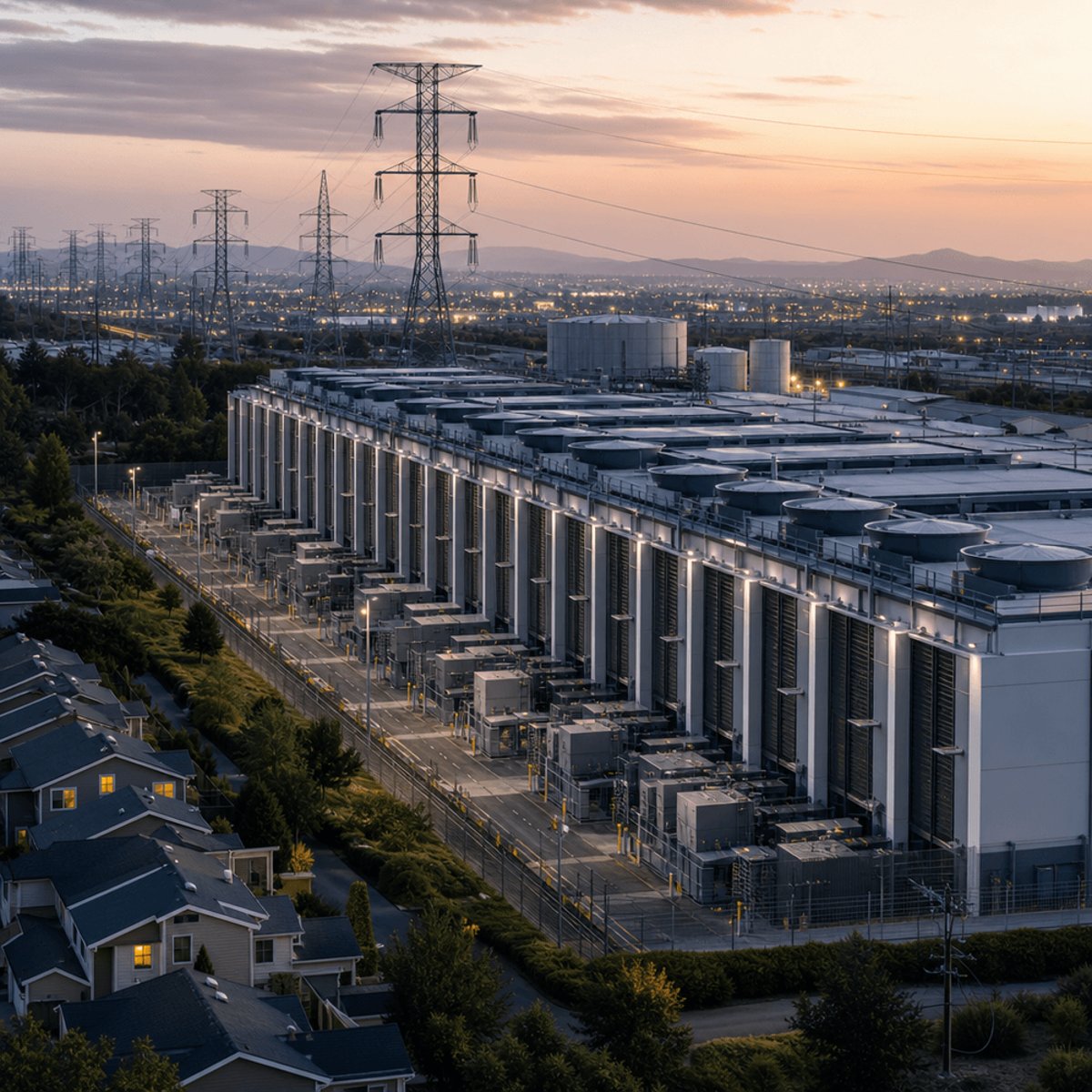
Local residents in Memphis have complained about everything from noise pollution to strain on the electrical grid. The data center's cooling systems run 24/7, generating a constant hum that neighbors say disrupts sleep and daily life. More concerning for many is the facility's power consumption, which rivals that of a small city and threatens to drive up electricity costs for ordinary residents.
"What happened in Memphis is now the template for resistance," one urban planning expert told industry watchers. Communities from Virginia to Arizona are pointing to the Tennessee facility as they draft restrictive zoning laws and environmental impact requirements for new data center proposals.
The timing couldn't be worse for the AI industry. Nvidia, Amazon, and Microsoft are all racing to build hyperscale computing facilities to support the explosive growth in AI training and inference workloads. Large language models like those powering ChatGPT and competing services require thousands of specialized chips running simultaneously, generating enormous heat and consuming staggering amounts of electricity.
Musk's xAI built Colossus in record time, cramming what would typically take years of permitting and construction into months. That speed initially looked like a competitive advantage, but it's now proving to be a liability. Environmental groups argue the facility didn't undergo proper review, while labor advocates question whether worker safety was compromised in the rush to go live.
The backlash extends beyond Memphis. In Northern Virginia, home to the world's largest concentration of data centers, county supervisors are citing the Memphis situation as they consider moratoriums on new facilities. Similar conversations are happening in Phoenix, where water-intensive cooling systems clash with drought concerns, and in rural communities across the Midwest where farmland is being converted to server farms.
What makes the Colossus controversy particularly potent is Musk's high profile. His polarizing public persona and tendency to clash with regulators has made the facility a lightning rod for broader concerns about tech industry power and accountability. Critics argue that if even Elon Musk can't build community support for an AI data center, the industry has a fundamental problem.
For xAI, the reputational damage may prove costly. The company is reportedly seeking additional funding to expand its AI capabilities and compete with better-funded rivals. But investors are increasingly wary of regulatory and social license risks. A facility that generates community opposition and legal challenges represents exactly the kind of execution risk that can derail ambitious growth plans.
The emerging regulatory framework looks set to slow AI infrastructure development significantly. Proposed requirements include comprehensive environmental impact statements, community benefit agreements, renewable energy mandates, and noise abatement measures. Each adds time and cost to projects where speed and scale are everything.
Industry advocates warn that overly restrictive policies could hand the advantage to China and other competitors not constrained by local opposition. But for communities watching Memphis struggle with the consequences of saying yes to Big Tech, that argument is falling flat. The backlash suggests American communities are no longer willing to accept infrastructure projects on industry's terms, regardless of national competitiveness concerns.
The Memphis backlash marks a turning point for AI infrastructure in America. What worked in the frictionless early days of cloud computing - building massive facilities quickly with minimal local input - no longer flies in an era when AI's resource demands are impossible to hide. Musk's Colossus may eventually prove successful as a technical achievement, but its legacy as a cautionary tale is already secure. For the AI industry, the lesson is clear: community buy-in isn't optional anymore, and the race to build computing power just got a lot more complicated. The companies that figure out how to balance speed with social license will have a crucial advantage in the next phase of the AI boom.