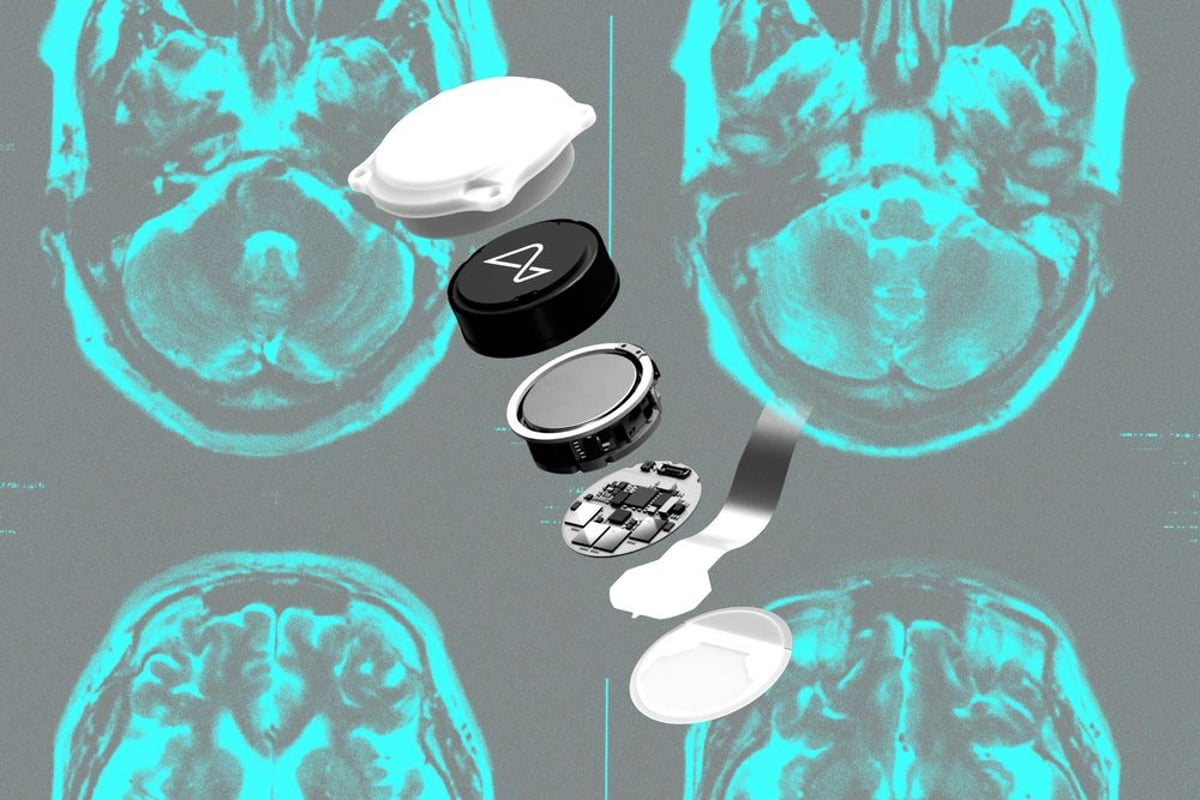
Elon Musk's grand promise of superhuman abilities through brain implants is colliding with hard scientific reality. Neuralink, his neurotechnology venture, has successfully demonstrated brain-to-cursor control in human patients, but the company's path to merging minds with AI remains fundamentally uncertain. According to a critical analysis from The Verge, the gap between Musk's hype-fueled vision and what's scientifically achievable is widening, despite early human trials showing promise after controversial animal testing that left dozens of monkeys euthanized.
The promise sounded like science fiction made real. Neuralink, Elon Musk's brain-computer interface company, would deliver superhuman cognitive abilities and seamless AI integration directly into human brains. But two years into actual human trials, the reality looks drastically different from the vision Musk sold to investors and the public.
The technology works, but only at the most basic level. Neuralink's implants successfully allow paralyzed patients to control computer cursors with their thoughts - a meaningful achievement for accessibility, but light-years away from the mind-melding AI integration Musk promised would bring "superhuman abilities" according to early company documentation.
The fundamental issue isn't engineering prowess but biological reality. Brain-computer interfaces face a translation problem that no amount of Musk's characteristic optimism can handwave away. The brain doesn't think in binary code or discrete commands. Translating the messy, analog soup of neural activity into precise digital outputs requires massive computational interpretation, and that interpretation gets exponentially harder as you move beyond simple motor commands.
"Neuralink's products have all been brain-to-cursor interfaces, which allow patients to control a mouse with their minds," notes the analysis from The Verge. That's the extent of proven functionality - essentially a very expensive assistive mouse. The leap from cursor control to downloading knowledge or achieving superintelligence isn't incremental. It's categorical.
The path to this modest achievement wasn't clean either. Neuralink's animal testing record revealed a grisly toll, with multiple monkeys euthanized after implant complications. While animal research inevitably involves difficult ethical trade-offs, the failure rate raised questions about whether the technology was ready for the aggressive timelines Musk kept promising.
Competitors in the BCI space have taken more conservative approaches, focusing on specific medical applications rather than sweeping civilizational transformation. Companies like Synchron and Blackrock Neurotech are developing less invasive interfaces with narrower but more achievable goals. Their progress has been slower but steadier, without the whiplash between utopian promises and basic demonstrations.
The scientific community has grown increasingly skeptical of Neuralink's trajectory. The gap between what Musk announces at flashy presentations and what peer-reviewed research suggests is possible keeps widening. Brain plasticity, immune response to foreign objects, signal degradation over time - these aren't problems you can disrupt your way around. They're fundamental biological constraints that require patient, methodical research.
What Neuralink has achieved shouldn't be dismissed. Helping paralyzed individuals regain computer access through thought alone is genuinely meaningful. But that's assistive technology, not the posthuman revolution Musk has been selling. The question now facing the company is whether to recalibrate expectations around realistic medical applications or keep chasing the AI-merger moonshot that may not be scientifically feasible with current approaches.
The broader industry is watching closely. If Neuralink pivots toward modest but achievable medical goals, it validates the more conservative strategies of competitors. If it doubles down on transformative AI integration and fails to deliver, it could set the entire BCI field back by years through disillusionment and regulatory backlash.
Musk's other ventures have benefited from his ability to inspire belief in seemingly impossible goals. Tesla made electric vehicles cool. SpaceX landed rockets on barges. But brain biology may prove less amenable to disruption than automotive or aerospace engineering. The brain evolved over millions of years with exquisite complexity. It doesn't care about quarterly milestones or viral demo videos.
For now, Neuralink remains stuck in a paradox of its own making - delivering real but incremental progress while carrying the weight of revolutionary expectations. The cursor moves, but the future Musk promised feels further away than ever.
Neuralink stands at a crossroads between scientific reality and Elon Musk's reality distortion field. The technology has proven it can help paralyzed patients control cursors - a worthy medical achievement - but the gap between that and merging human consciousness with artificial intelligence remains vast and possibly unbridgeable with current approaches. As competitors pursue more measured strategies and the scientific community grows skeptical, Neuralink faces a choice: recalibrate around achievable medical applications or risk becoming a cautionary tale about overpromising transformative technology. The brain may be the final frontier where Musk's disruptive playbook meets its match.