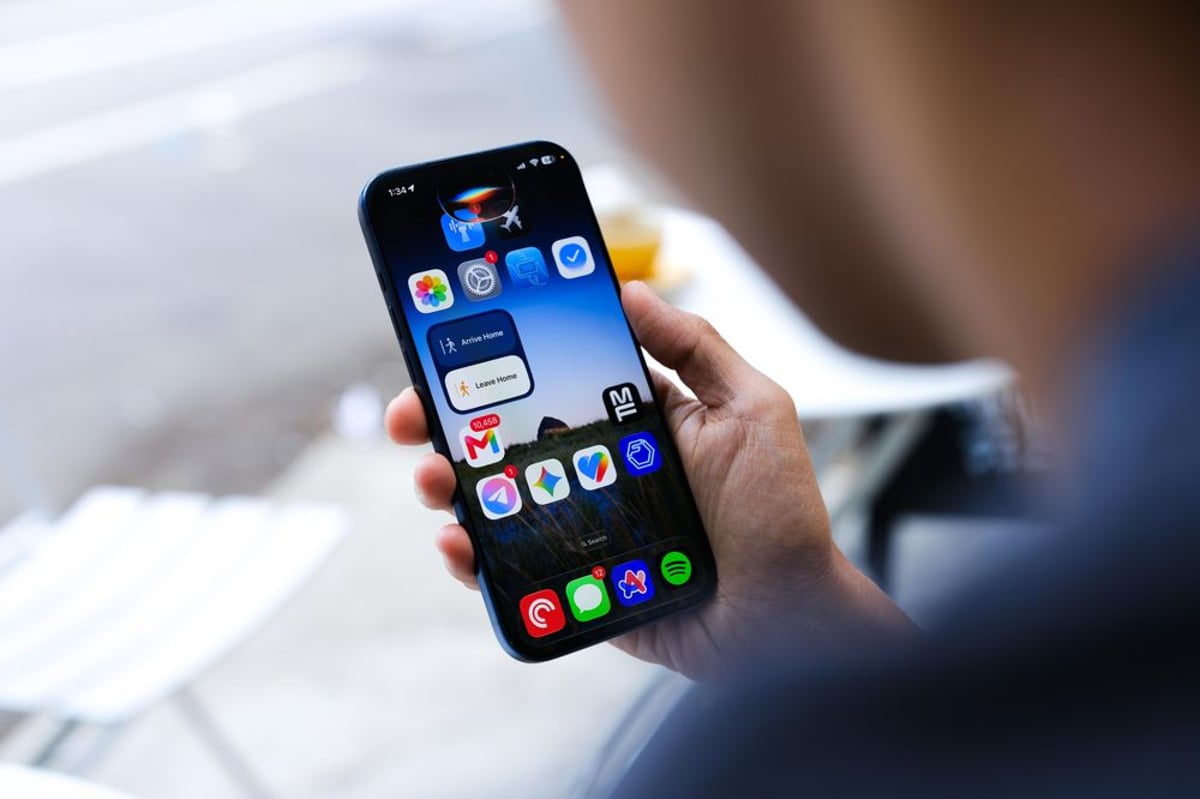
Apple just dropped public betas for iOS 27, and the headline feature is finally here - Siri AI, the company's long-delayed answer to the AI assistant arms race. According to hands-on testing from The Verge, the revamped assistant "actually works," marking a significant departure from Siri's reputation for inconsistent performance. The beta release puts Apple squarely in competition with Google Assistant and Amazon Alexa as enterprises increasingly look to voice AI for workflow automation.
Apple is making its move in the AI assistant wars. The company released public betas for iOS 27 and its companion operating systems on July 13, with the star attraction being Siri AI - an AI-powered overhaul that's been in the works for years.
The timing isn't accidental. While Google and OpenAI have dominated headlines with their conversational AI capabilities, Apple's been quietly rebuilding Siri from the ground up. According to hands-on impressions from The Verge, the wait might've been worth it. The publication notes Siri AI "actually works" - a backhanded compliment that speaks volumes about the assistant's troubled history.
But there's a catch. While functionality has improved, The Verge reports that Siri AI "keeps things brief." This design choice could be strategic - Apple's historically favored precision over verbosity, a philosophy that resonates with enterprise users who need quick answers rather than chatty interactions.
The beta rollout extends beyond iPhones. iPadOS 27, watchOS 27, and macOS 27 Golden Gate are all available for public testing, creating a unified AI assistant experience across Apple's ecosystem. That cross-platform consistency matters for businesses already invested in Apple hardware, particularly those using iPads for field work or Macs for creative production.
For developers, this beta window represents a critical opportunity. The fall launch timeline gives app makers roughly three months to integrate Siri AI capabilities and test voice-driven workflows before the official release. Companies building productivity apps, CRM tools, or enterprise software can now experiment with voice commands that tap into Apple's improved natural language processing.
Apple's taken a measured approach compared to competitors. While OpenAI races ahead with GPT capabilities and Google integrates Gemini across its product line, Apple's been deliberate - some would say slow - in rolling out AI features. The company's privacy-first stance means Siri AI likely processes more requests on-device rather than in the cloud, a distinction that could appeal to enterprises concerned about data security.
The broader competitive landscape is heating up. Amazon continues pushing Alexa into workplace settings, while Microsoft embeds AI assistants throughout its productivity suite. Apple's late entry to the AI assistant refresh cycle puts pressure on the company to demonstrate not just functionality, but genuine innovation that justifies the wait.
Early testers should proceed with caution. Apple warns that beta software may cause unexpected glitches, battery drain, and app compatibility issues - standard beta territory, but worth considering for anyone testing on their primary work device. The company recommends installing betas on secondary devices, advice that's particularly relevant for business users who can't afford downtime.
The Siri AI launch also signals Apple's broader AI strategy. After facing criticism for falling behind in the AI race, the company's using this beta to demonstrate it hasn't been sitting idle. Whether Siri AI can match the capabilities of ChatGPT or Google's conversational AI remains to be seen, but the fact that early reviews highlight actual functionality rather than frustrating limitations marks progress.
For IT departments, the beta period offers a chance to evaluate whether Siri AI meets enterprise needs before committing to a fall deployment. Voice-driven task management, calendar scheduling, and email composition could streamline workflows if the AI performs reliably. The concise response style that The Verge noted might actually be a feature, not a bug, for time-pressed professionals.
Apple's Siri AI beta represents more than just a software update - it's the company's bid to remain relevant in an AI-dominated tech landscape. The emphasis on functionality over flashiness, combined with cross-platform availability, positions Apple to capture enterprise users who've been waiting for a reliable, privacy-conscious AI assistant. Whether Siri AI can overcome years of inconsistent performance and match competitors' capabilities will become clear over the next three months as developers and early adopters put it through real-world testing. For businesses weighing AI assistant strategies, this beta offers a first look at whether Apple can finally deliver an AI experience worthy of its ecosystem.