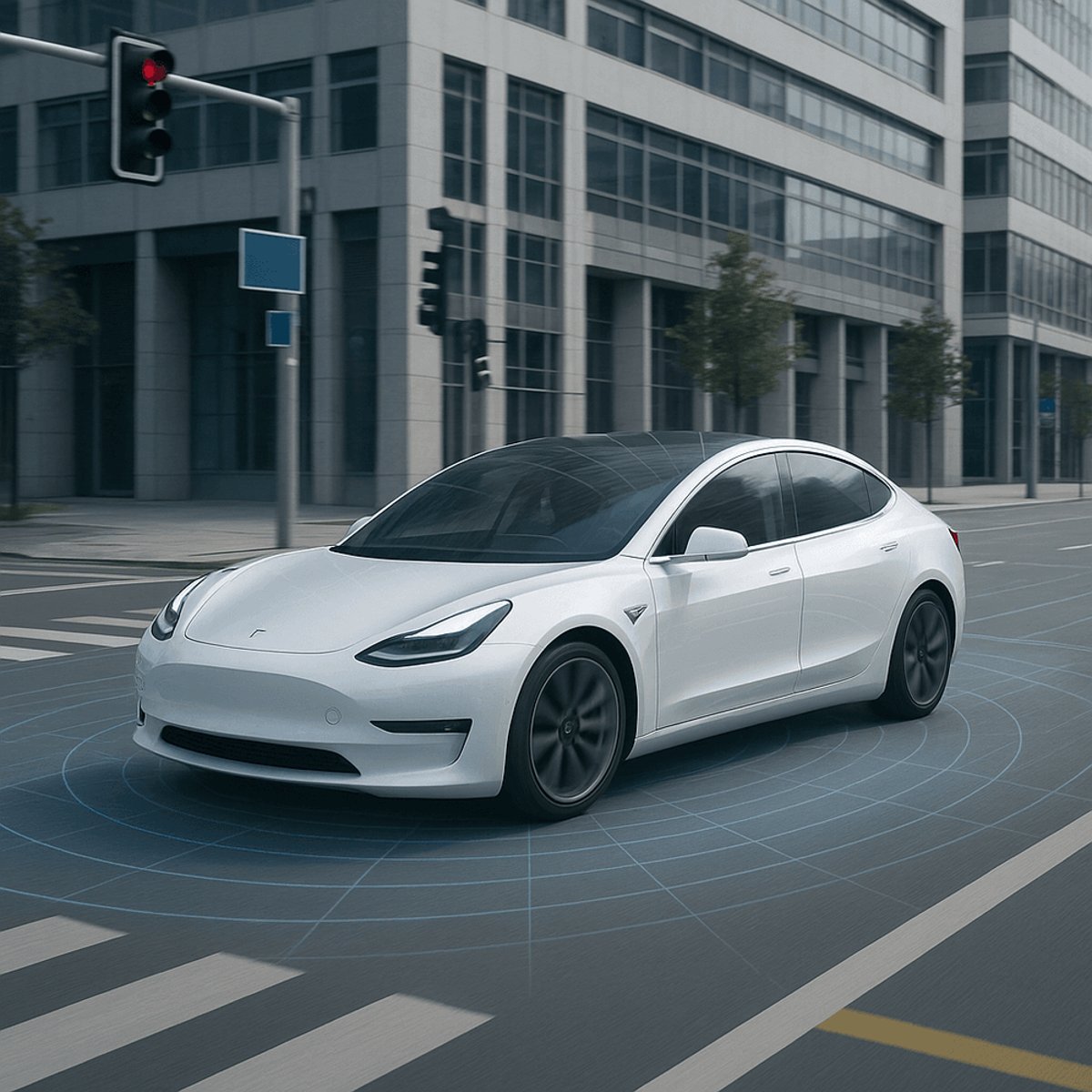
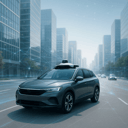
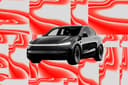
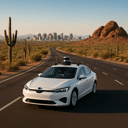
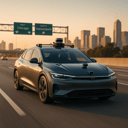
A new advocacy group is pushing for stricter self-driving car regulations with Tesla squarely in its crosshairs. Safe Autonomous Vehicles Everywhere in the United States (SAVE-US) launched Wednesday, demanding clearer tech limits disclosures and multi-sensor requirements as federal investigators probe Tesla's Full Self-Driving software for running red lights and wrong-way driving incidents.
The gloves are off in the autonomous vehicle regulation fight. Tesla just became the primary target of a new advocacy campaign that's pushing state lawmakers to crack down on self-driving car safety standards.
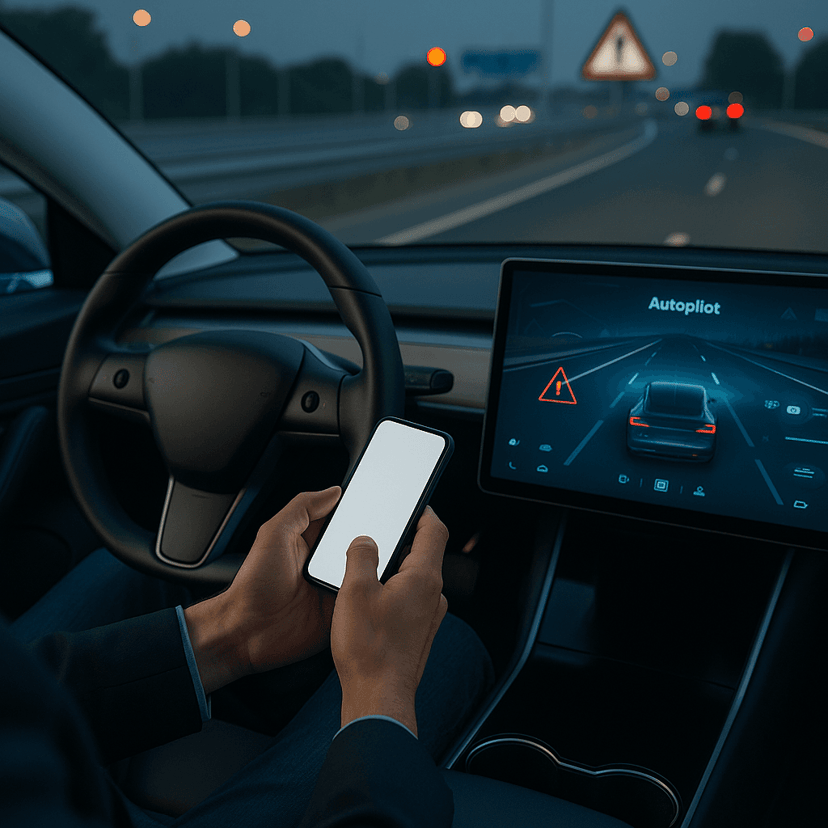
Safe Autonomous Vehicles Everywhere in the United States (SAVE-US) launched Wednesday with a clear mission: force tech companies to be upfront about their driving technology's limits, report detailed crash data to states, and use multiple sensors on their vehicles. The timing isn't coincidental - it comes as the federal government opened an investigation into Tesla's Full Self-Driving software last week following reports of the system running red lights and driving on the wrong side of the street.
"It's fair to say that Tesla is the worst actor in this space, but that definitely doesn't mean every other company is a perfect actor either," Shua Sanchez, the group's national campaign director, told WIRED. "If we don't have good regulations in place, we leave the door open for any company to pursue an unsafe path."
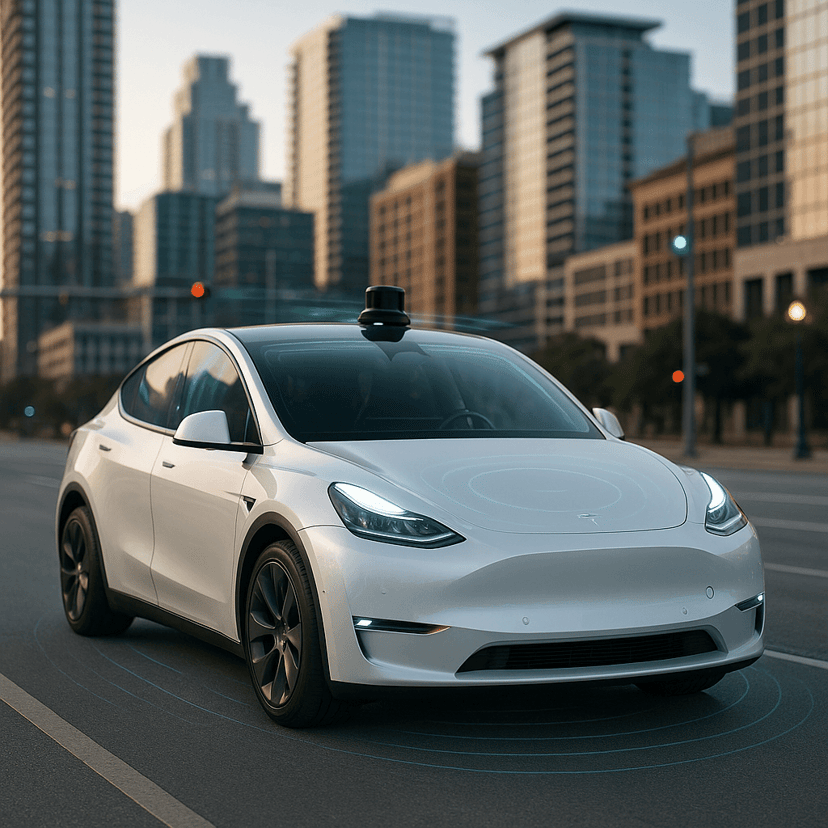
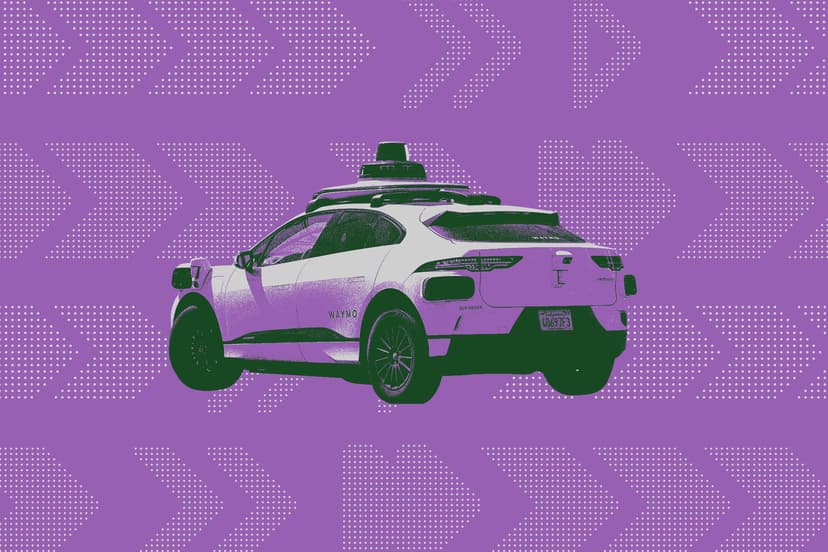
The campaign represents a significant escalation in the regulatory pressure facing autonomous vehicle developers. While companies like Waymo and Zoox rely on expensive radar and lidar sensors alongside cameras, Tesla has doubled down on its controversial vision-only approach, betting that cameras and AI software alone can safely pilot vehicles. This strategy underpins CEO Elon Musk's promise that existing Tesla cars will eventually drive themselves through software updates.
Sanchez brings serious credentials to this fight. The physicist previously led the Tesla Takedown movement, organizing protests outside Boston showrooms to challenge Musk's involvement with the Department of Government Efficiency. His co-founder, Bob Somers, spent five years as an engineer at self-driving developer Zoox before leaving the industry entirely.
The two met this summer outside an Oakland administrative hearing where California's Department of Motor Vehicles argued that Tesla should lose its manufacturing license for allegedly false advertising of its Full Self-Driving and Autopilot features. An administrative judge is expected to rule on that case later this year.
"We want to encode the industry's best practices into a framework to make sure that developers aren't competing on safety," Somers explained to WIRED. The former AV engineer argues safety should be a given, not a competitive advantage.
The regulatory landscape SAVE-US is targeting remains fragmented and inconsistent. According to the National Conference of State Legislatures, fourteen US states don't have autonomous vehicle laws at all. Those that do range from California's stringent requirements to more permissive approaches in Arizona and Texas.
SAVE-US plans to focus initially on large states including Illinois, New York, and New Jersey - markets that could force industry-wide changes through their sheer size and influence. The group's political connections run deep, with spokesperson Jeff Coote and executive director Sam Haass working for Slingshot Strategies, a consulting firm that primarily serves Democratic campaigns and progressive causes.
"If you look at AI and data centers, people are upset and scared of being taken advantage of by big companies," Coote told WIRED. "The same can be said for AVs; people are open to the technology, but only if assured it is deployed safely."
The group declined to reveal its funding sources, saying only that it's "backed by a few funders who have an interest in autonomous vehicle technology." This opacity around financing could become a political vulnerability as the campaign ramps up.
Tesla didn't respond to requests for comment, maintaining its typical silence when faced with regulatory criticism. But the company's approach increasingly stands apart from industry peers who've embraced more conservative safety strategies using multiple sensor types and purpose-built robotaxis rather than retrofitting consumer vehicles.
SAVE-US represents the most organized regulatory pushback against Tesla's autonomous vehicle strategy to date. With federal investigations mounting and state lawmakers increasingly concerned about safety, the campaign could force a reckoning across the entire self-driving industry. The question isn't whether stricter regulations are coming - it's whether companies like Tesla will adapt their technology and marketing strategies before lawmakers step in to force the issue.