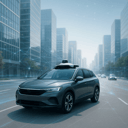
Google's Waymo just made its boldest geographic bet yet, announcing Tuesday it's bringing robotaxis to Denver and Seattle—two cities that will test the company's autonomous driving technology against snow, wind, and rain like never before. The expansion signals Waymo's push beyond sunny climates as it races to dominate the emerging robotaxi market.
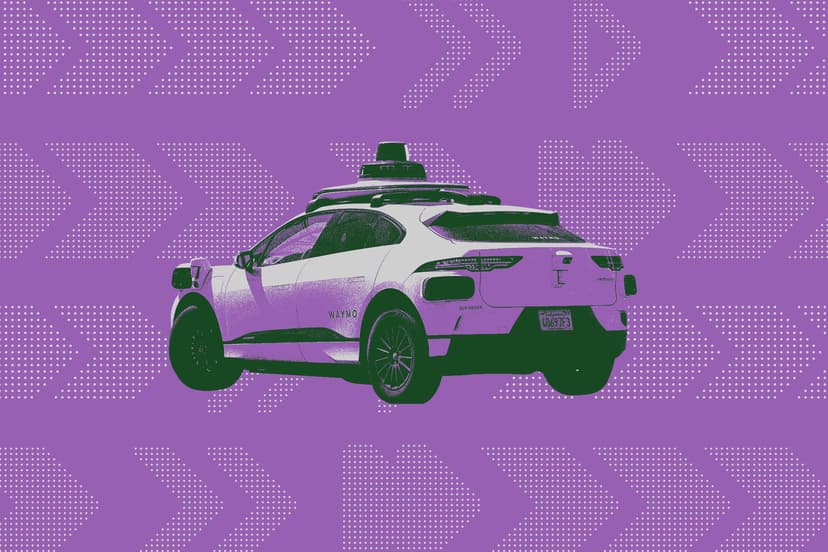
Waymo just threw down the gauntlet in the robotaxi wars, announcing Tuesday it's bringing both its Jaguar I-Pace SUVs and Zeekr vans to Denver and Seattle starting this week. The move represents the Google-owned company's most ambitious expansion yet into challenging weather conditions that have long been the holy grail of autonomous driving.
The timing couldn't be more strategic. While competitors like Tesla continue promising Full Self-Driving capabilities and startups burn through funding, Waymo is methodically building the infrastructure for what could become a multi-billion dollar robotaxi empire. "We hope to start offering robotaxi trips in Denver next year and the Seattle metropolitan area as soon as we're permitted to do so," the company told TechCrunch.
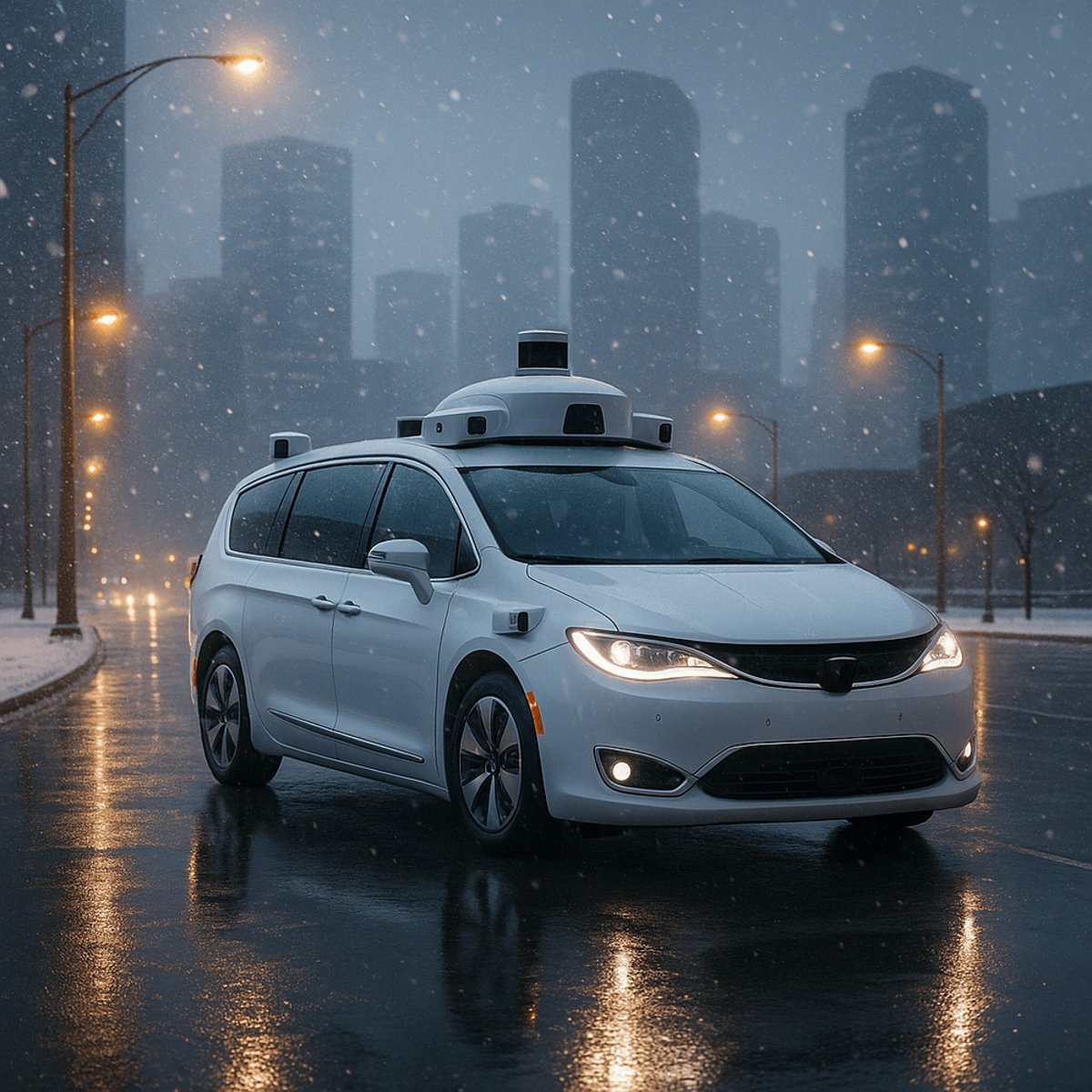
[embedded image: Waymo's Zeekr van fleet preparation in snowy conditions]
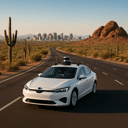
Denver and Seattle represent a quantum leap in complexity from Waymo's current comfort zones of Phoenix, San Francisco, and Los Angeles. Snow accumulation, black ice, and intense rainfall create scenarios that separate working autonomous systems from tech demos. The company's willingness to tackle these conditions head-on suggests confidence in its sixth-generation Driver technology—the same system that's been quietly racking up millions of miles across eight metropolitan areas.
The numbers tell the expansion story. Just last week, Waymo revealed it operates more than 2,000 robotaxis nationwide: 800 in the San Francisco Bay Area, 500 in Los Angeles, 400 in Phoenix, 100 in Austin, and "dozens" in Atlanta. That fleet size dwarfs any competitor and represents real commercial scale, not just pilot programs. The company has also locked in future launches in Dallas, Miami, and Washington D.C. next year, plus recently secured permits for New York City testing.
[video iframe: Waymo autonomous driving in challenging weather conditions]
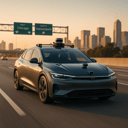
Behind the expansion lies a fascinating hardware story. The Zeekr vans—built by the Chinese electric vehicle maker owned by Geely—were specifically designed for Waymo's robotaxi service. Unlike retrofitted consumer vehicles, these purpose-built autonomous vehicles feature custom sensor integration, passenger comfort optimization, and fleet maintenance considerations. The partnership demonstrates how the robotaxi industry is driving entirely new vehicle categories.
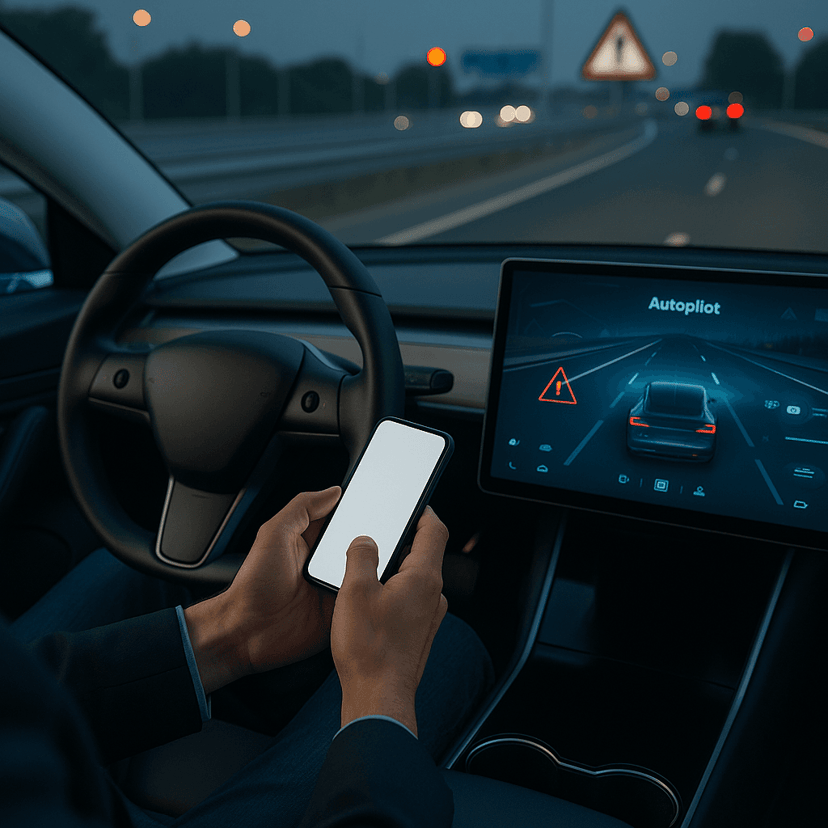
Industry analysts see Waymo's weather strategy as a direct challenge to Tesla's Autopilot narrative. While Tesla CEO Elon Musk continues promising coast-to-coast autonomous driving "next year," Waymo is methodically proving its technology works in progressively challenging real-world conditions. The company's approach of starting with manual driving, then enabling autonomous features, contrasts sharply with Tesla's consumer-facing beta testing model.
The competitive implications extend beyond just ride-hailing. Amazon continues investing heavily in autonomous delivery through its Zoox acquisition, while Apple famously canceled its car project earlier this year. Traditional automakers like GM through Cruise have struggled with safety incidents and regulatory approval. Waymo's steady expansion suggests it's positioning to capture market share while competitors work through technical and regulatory challenges.
What makes the Denver and Seattle launches particularly significant is their connection to Waymo's broader "road trip" testing program. The company has been quietly sending vehicles to Philadelphia, Las Vegas, San Diego, Houston, Orlando, and San Antonio to gather data without commercial operations. This systematic approach to geographic expansion mirrors how tech companies typically roll out new products—careful testing, gradual scaling, then rapid deployment once proven.
The weather challenge also highlights autonomous driving's remaining technical hurdles. While Waymo has mastered sunny-climate robotaxis, snow and rain introduce sensor limitations, road condition variations, and human driver behavior changes that require entirely different algorithmic approaches. Successfully operating in Denver winters and Seattle's notorious drizzle would represent a significant competitive moat.
For passengers, the expansion promises more convenient robotaxi access in major metropolitan areas where traditional transportation options often fall short. Both Denver and Seattle struggle with parking limitations, traffic congestion, and limited public transit coverage—perfect conditions for autonomous ride services to thrive.
Waymo's Denver and Seattle expansion represents more than geographic growth—it's a calculated bet that mastering extreme weather conditions will create an insurmountable competitive advantage in the robotaxi market. While competitors focus on promises and prototypes, Waymo is systematically building the operational complexity that could define autonomous transportation's next decade. For investors and industry watchers, the real test begins this winter when those Zeekr vans start navigating their first Denver snowstorm.