TL;DR
- - Nvidia rejects claims of 'kill switch' in AI chips
- - AI chips central to geopolitical tensions
- - Global market dynamics at play
- - Expect increased scrutiny on tech exports strategy
Is Nvidia's AI chip tech becoming a pawn in geopolitical chess? With increasing security accusations, Nvidia finds itself at the heart of international tech tensions. Understanding the stakes can help investors and tech leaders anticipate shifts in the global tech supply chain.
Opening Analysis
Nvidia's recent statement rejecting accusations from China that its AI chips contain a 'kill switch' highlights the company's pivotal role in ongoing geopolitical technology debates. As countries vie for technological supremacy, Nvidia's stance may affect global market share and international relations.
Market Dynamics
The entry of Nvidia's AI chips into the Chinese market comes against the backdrop of intense international scrutiny. As the U.S. imposes tighter export controls to safeguard national security interests, Nvidia navigates these waters by appealing to its customers' demands while assuring compliance with regulations. The competition landscape is heating up as China accelerates its domestic chip production capabilities.
Technical Innovation
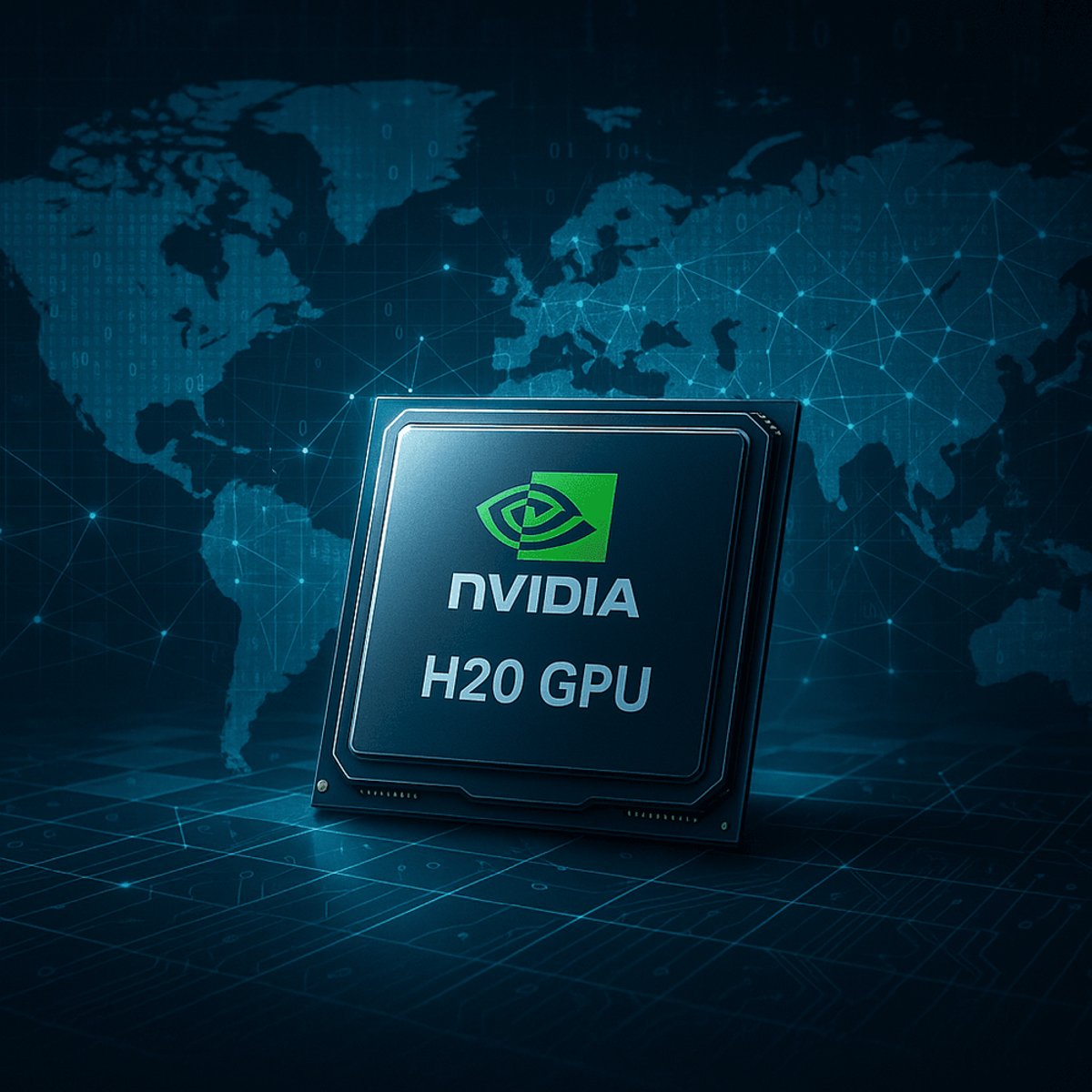
Nvidia's AI chips, lacking the alleged 'kill switch,' continue to push the envelope of technological innovation. Their H20 GPUs have become foundational to AI implementations globally, underscoring the vital role that security plays in hardware deployment. As accusations mount, maintaining a no-backdoor policy is not just a security feature; it’s a selling point.
Financial Analysis
The potential impact on Nvidia's financials from exporting H20 chips to China is significant. Addressing new regulatory bottlenecks could modify projections, with billions at stake. Despite temporary export bans, Nvidia’s revenue stream from such products is critical, portraying both risk and reward in navigating future sales strategies.
Strategic Outlook
For Nvidia, the path forward includes vigilance over security allegations, maintaining market position amidst a fracturing global landscape, and adapting to potential new restrictions. Achieving a balance between innovation and regulation will be crucial for sustaining its leadership and strategically capitalizing on geopolitical shifts.
Projections: In the next 3-6 months, expect Nvidia to intensify dialogues with regulators, potentially influencing policy shaping in AI exports. In 1-2 years, the resolution of current accusations could open pathways for greater market penetration and continued dominance in AI.
Key Takeaways:
- Invest in Compliance: Understanding international regulations can prevent setbacks.
- Monitor Market Shifts: Regulatory changes can redefine tech landscapes.
- Opportunities Ahead: Successful navigation through geopolitical strains could augment market leadership in AI.