TL;DR
- - NVIDIA opposes GPU backdoors.
- - 30 years of secure GPU design affirms Nvidia's position.
- - Protecting hardware integrity is crucial for innovation.
- - Maintain trust in tech by rejecting backdoors and kill switches.
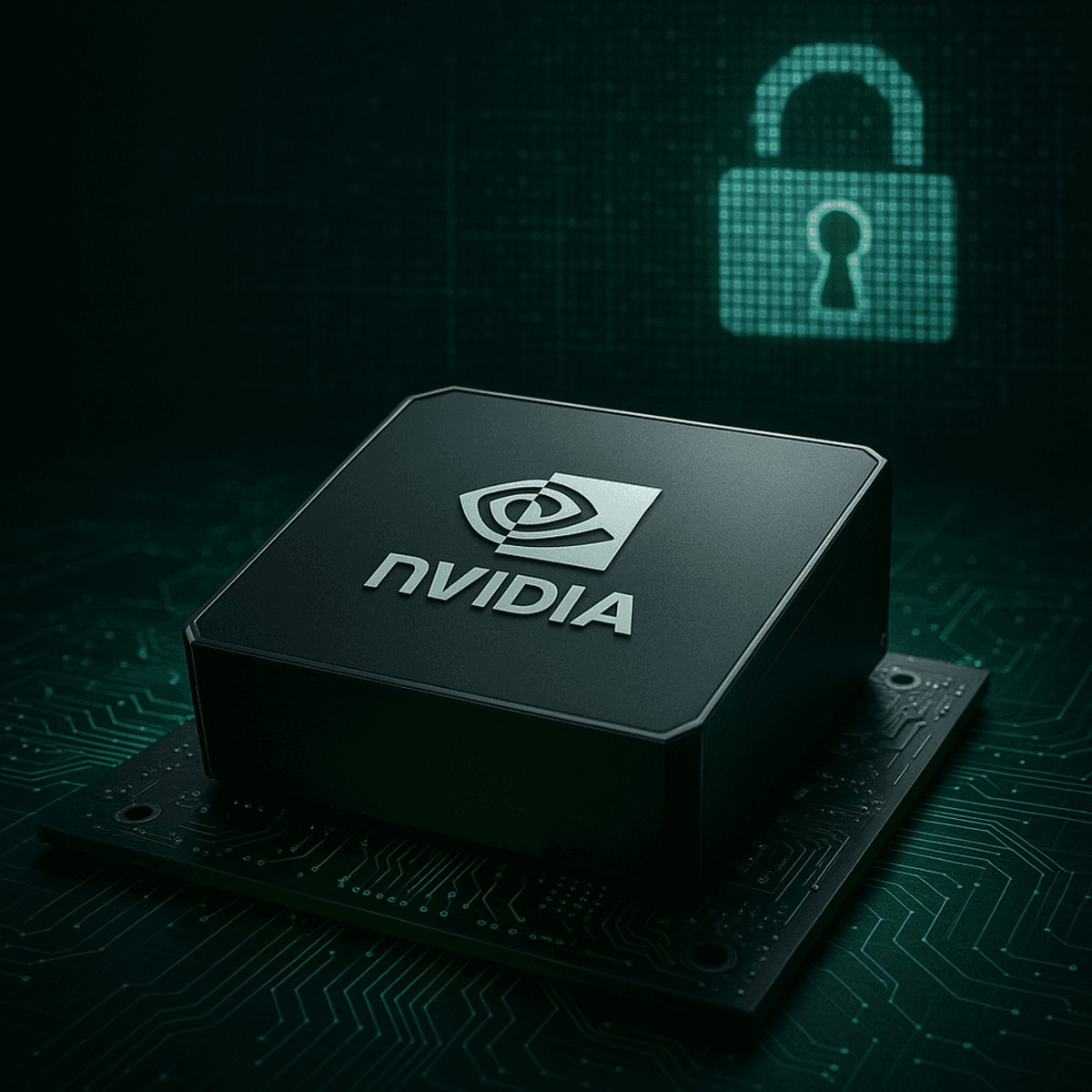
NVIDIA GPUs power industries from healthcare to AI, raising security concerns over potential misuse. As some propose mandatory backdoors for oversight, NVIDIA staunchly rejects this, emphasizing robust security without compromisable entry points. This stance matters for industries heavily reliant on GPU integrity, ensuring that users retain trust and control over their technologically critical devices.
NVIDIA's Defiant Stance on Hardware Security
Recent proposals from policymakers suggest embedding backdoors and kill switches in GPUs to guard against misuse. A backdoor would effectively allow remote disabling without user consent, posing potential risks of exploitation.
NVIDIA stands firm in rejecting these propositions, pointing to its 30-year legacy of secure processor design which would be jeopardized by hard-coded controls. Such features could be exploited by hackers, as evident from past incidents like the ‘Spectre’ and ‘Meltdown’ vulnerabilities that required swift collaborative response to patch.
Learning from the Past: The Clipper Chip Example
The article details the Clipper Chip fiasco of the 1990s, where built-in backdoors in chips intended for secure encryption ended up creating vulnerabilities instead. This cautionary tale underscores the fallout of government-mandated access points, essentially backfiring by inviting exploitation and undermining consumer trust.