TL;DR
- - Nvidia denies 'kill switch' claims by China.
- - $8 billion potential revenue impact due to export controls.
- - High stakes for AI chip diplomacy and security.
- - Strategic investments in AI remain critical amidst geopolitical tensions.
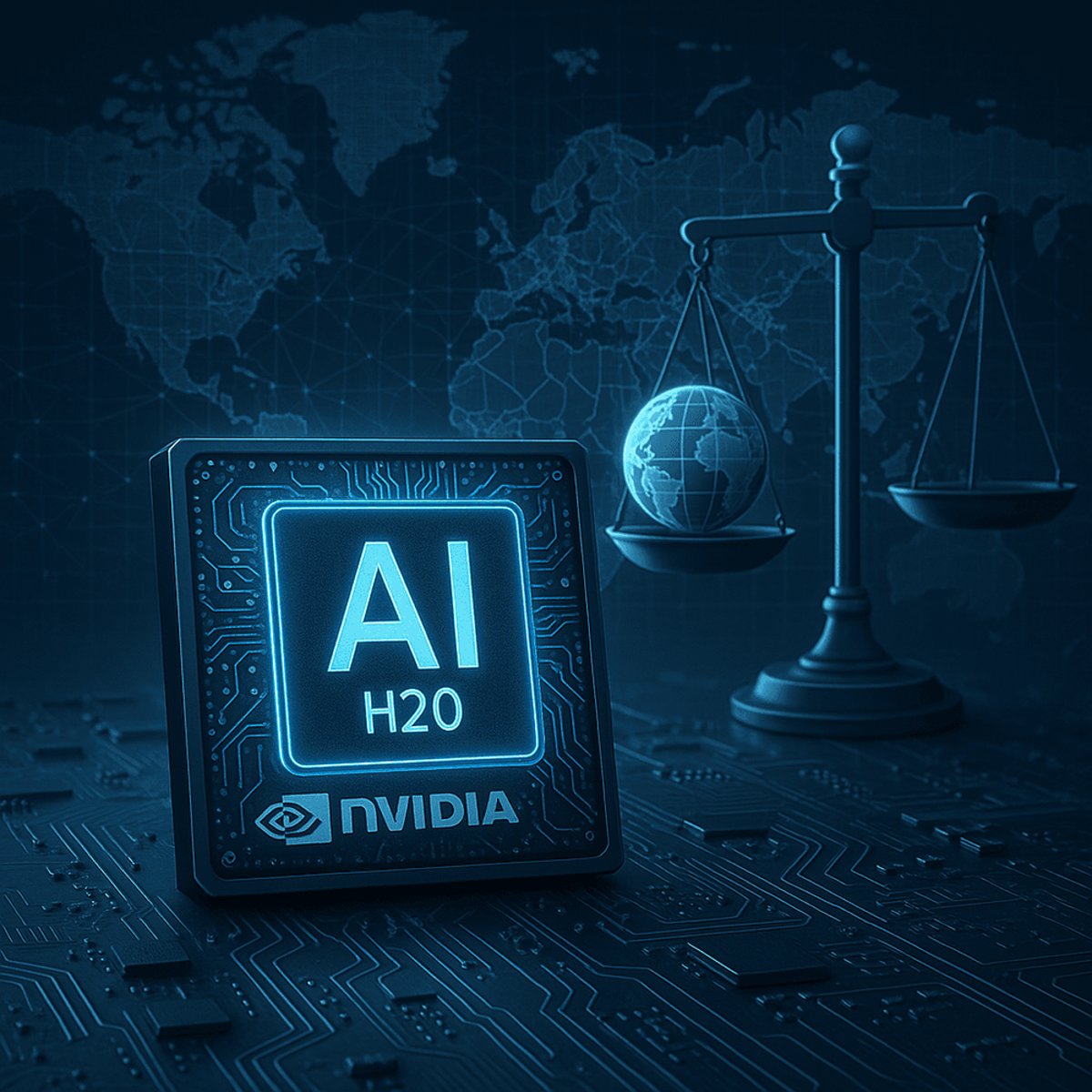
Did Nvidia include a "kill switch" in its H20 data center AI chips, as China claims? The answer could redefine the geopolitical tech landscape. Nvidia's denial puts a spotlight on the delicate balance between global tech leadership and national security concerns. This article deciphers the implications of Nvidia's AI advancements and the geopolitical frictions they ignite, influencing both market leaders and tech investors. Gain insights into how this dispute could shape the future of AI commerce across borders.
Opening Analysis
In an era where technology and geopolitics are increasingly entangled, Nvidia finds itself at the heart of international scrutiny. The recent allegations by China accusing Nvidia of embedding a 'kill switch' in its H20 AI chips threaten to exacerbate existing tensions. These chips, crucial for data centers globally, represent significant technological advancements in AI capability, making the allegations particularly explosive.
Nvidia's refusal of these claims, articulated by Chief Security Officer David Reber, emphasizes its stance on cybersecurity's sanctity, asserting that the inclusion of backdoors or kill switches would not only undermine user trust but also represent a strategic vulnerability exploitable by bad actors.
Market Dynamics
The H20 chip, specifically designed for Nvidia’s data center AI deployments, has become a linchpin in global AI infrastructure, generating billions in revenue quarterly. Despite its economic impact, geopolitical tensions stand to influence its market trajectory significantly. Nvidia’s confrontation with Chinese regulatory bodies underscores the complexities at the intersection of commerce, international policy, and technology strategy.
Export restrictions previously imposed on Nvidia, affecting their H20 chip sales to China, potentially costing the company an estimated $8 billion, highlight the precarious market conditions amidst ongoing diplomatic discord. The U.S. government's temporary waiver to resume sales reflects a nuanced approach to balancing economic interests with strategic tech leadership.