TL;DR
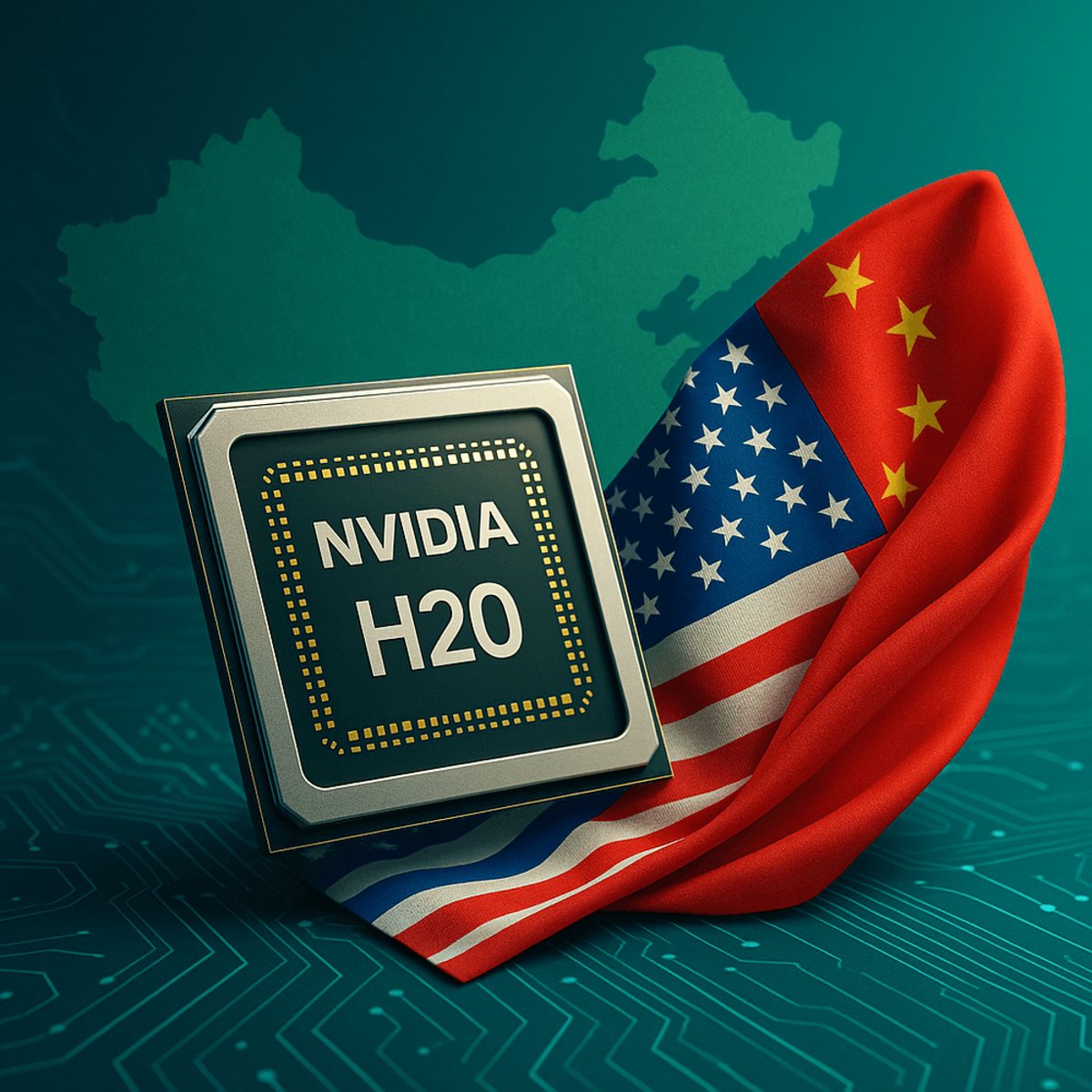
- Nvidia plans to re-enter China with H20 chips
- Forecast market share drop from 66% to 54% in 2025
- Easing export controls may help, but competition is intense
- Strategic reopening aligns with broader U.S.-China tech policy
Nvidia's H20 chips are poised for a comeback in China, aiming to reclaim lost ground after a regulatory induced hiatus. With U.S. export controls easing, the chip maker anticipates increased market penetration but faces fresh competition from local tech giants. This timing is critical for Nvidia as it seeks to boost its dwindling market share amidst geopolitical tensions.
Opening Analysis
Nvidia's plans to reintroduce its H20 chips to the Chinese market mark a strategic pivot amidst ongoing U.S.-China trade tensions. The recent relaxation of export restrictions signals a critical opportunity for Nvidia to reclaim market share lost during regulatory restrictions earlier in the year. However, this optimism is tempered by competitive pressures from emerging Chinese tech firms which have gained strength during Nvidia's absence.
Market Dynamics
Since the imposition of U.S. export controls, local companies like Huawei, Cambricon, and Hygon have made significant inroads. Bernstein forecasts Nvidia's AI market share in China could drop to 54% in 2025 from 66% in 2024. The localization of the AI chip market is expected to surge from 17% in 2023 to 55% by 2027, capitalizing on the absence of American competitors.
Technical Innovation
While Nvidia's technological edge has historically driven its success, the fast-paced advancements by domestic players can erode that advantage. Reports indicate that localization efforts in China aim to curb reliance on U.S. technologies, with increased state support for domestic innovations posing a challenge to Nvidia's competitive position.
Financial Analysis
Despite potential roadblocks, Nvidia's re-entry into the Chinese market comes as a potential boon for its revenue streams. The strategic opening, supported by U.S. policy shifts, aims to mitigate billions in lost sales. However, competitive pricing and strategic alliances will be imperative to combat the erosion of market share.
Strategic Outlook
Nvidia's strategy hinges on navigating a complex geopolitical landscape where tech sovereignty is prized. Analysts suggest that maintaining its foothold will require leveraging its cutting-edge technology while remaining adaptable to regulatory changes. Bearing the global landscape in mind, Nvidia must also anticipate further actions from Beijing which, according to news sources, involves potential security investigations as Beijing recently summoned Nvidia over security concerns.
Conclusion
Key Takeaways:
- Nvidia's re-entry into China comes at a crucial competitive juncture.
- U.S.-China tech policies will deeply influence market dynamics.
- Opportunities for Nvidia exist if it capitalizes on eased restrictions while innovating ahead of local competitors.