Nvidia just redefined what an AI data center can be. The chipmaker announced at CERAWeek 2026 it's teaming up with Emerald AI and major energy providers to build AI factories that don't just consume power - they stabilize the grid. The collaboration tackles the industry's biggest bottleneck: how to power massive AI infrastructure without crashing electrical systems or waiting years for grid capacity.
Nvidia is flipping the script on AI's energy crisis. At CERAWeek 2026 in Houston, the company unveiled partnerships with Emerald AI and multiple energy providers to pioneer what it calls flexible AI factories - data centers designed from the ground up to work with power grids instead of against them.
The timing couldn't be more critical. AI infrastructure projects are stalling worldwide because electrical grids can't keep up with demand. Traditional data centers require constant, massive power draws that utilities struggle to accommodate. Getting grid connections for new facilities now takes 3-5 years in many regions, effectively putting a hard limit on AI expansion. Nvidia's answer is to make AI factories that can dynamically adjust their power consumption based on grid conditions.
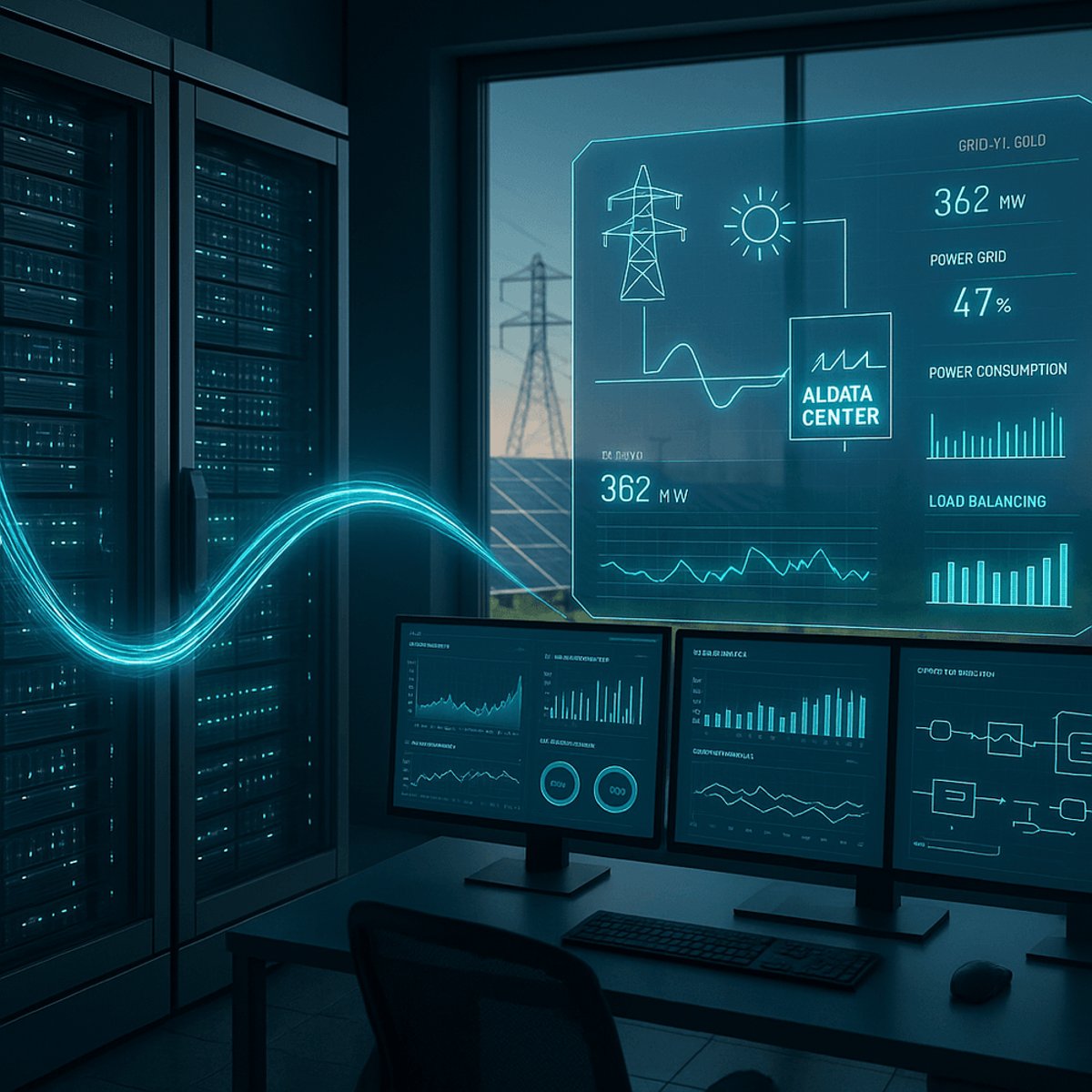
Here's how it works: Instead of demanding steady power regardless of grid stress, these flexible AI factories can throttle computational workloads during peak demand periods and ramp up when renewable energy floods the system. The infrastructure design integrates Nvidia's AI factory blueprints with energy management systems that let the facilities act as controllable loads - essentially giant batteries that happen to train AI models.
Emerald AI brings the orchestration layer that makes this ballet possible. The company's platform monitors grid conditions in real-time and automatically shifts AI workloads between urgent tasks that need immediate processing and batch jobs that can wait for cheaper, cleaner power. It's the difference between an AI factory being a grid liability and becoming a grid asset that utilities actually want to connect.
The energy companies involved (Nvidia hasn't disclosed all partners yet) see this as solving two problems at once. They get more flexibility to manage grid stability during the renewable energy transition, when solar and wind create unpredictable supply swings. And they can finally say yes to AI infrastructure projects that have been stuck in permitting limbo because of power capacity concerns.
For Nvidia, this is about removing the biggest obstacle to selling more chips. The company dominates AI accelerator sales, but customers can't deploy hardware they can't power. By redesigning the entire factory model around grid flexibility, Nvidia is essentially creating demand for its own products. It's a page from Tesla's playbook - when the infrastructure doesn't exist, build it yourself.
The announcement comes as AI companies are getting desperate for compute capacity. OpenAI, Microsoft, and Google are all racing to secure power contracts for next-generation model training. Traditional approaches mean waiting years and paying premium rates for dedicated grid connections. Flexible AI factories could cut that timeline to months by positioning themselves as grid stabilizers rather than pure consumers.
There's skepticism about how much flexibility these factories can actually offer. Training frontier AI models is notoriously time-sensitive - you can't just pause a multi-million dollar training run because the grid needs relief. But for inference workloads, batch processing, and certain types of model fine-tuning, the approach makes sense. Nvidia is essentially betting that enough AI compute can be made flexible to matter for grid operators.
The energy economics are compelling. AI factories that can shift workloads to off-peak hours or high-renewable periods could cut energy costs by 30-40% compared to always-on facilities. That's real money when you're running hundred-million-dollar data centers. And utilities might offer preferential connection terms to flexible loads that help them manage grid stability instead of threatening it.
What's notable is how this positions Nvidia not just as a chip vendor but as an infrastructure architect. The company is increasingly selling complete AI factory designs - from power systems to cooling to networking - rather than just GPUs. This partnership extends that strategy into the energy layer, giving Nvidia influence over every aspect of AI infrastructure deployment.
Nvidia's flexible AI factory initiative could reshape how we think about AI infrastructure - from grid burden to grid asset. If the company can prove these facilities deliver both computational performance and energy flexibility, it solves the power bottleneck that's currently limiting AI expansion. But the real test comes when training runs worth millions need to pause for grid stability. The energy companies betting on this approach are gambling that enough AI compute can be made flexible to matter without sacrificing the performance that makes the facilities valuable in the first place. For an industry desperate to deploy more AI capacity, this partnership represents one of the few paths forward that doesn't require waiting half a decade for new power plants.