TL;DR
- NVIDIA optimizes OpenAI models for GPU efficiency
- Expect up to 256 tokens/second on GeForce RTX 5090
- Local AI processing to reduce cloud reliance
- Investment insight: Emphasize local AI infrastructures
NVIDIA has collaborated with OpenAI to optimize the latest open-source AI models, allowing for groundbreaking advancements in local AI computing. This strategic move significantly enhances smart AI capabilities directly on PCs, eliminating cloud dependence. This development is crucial for tech leaders aiming to harness AI at a local level, accelerating innovation while reducing latency.
Opening Analysis
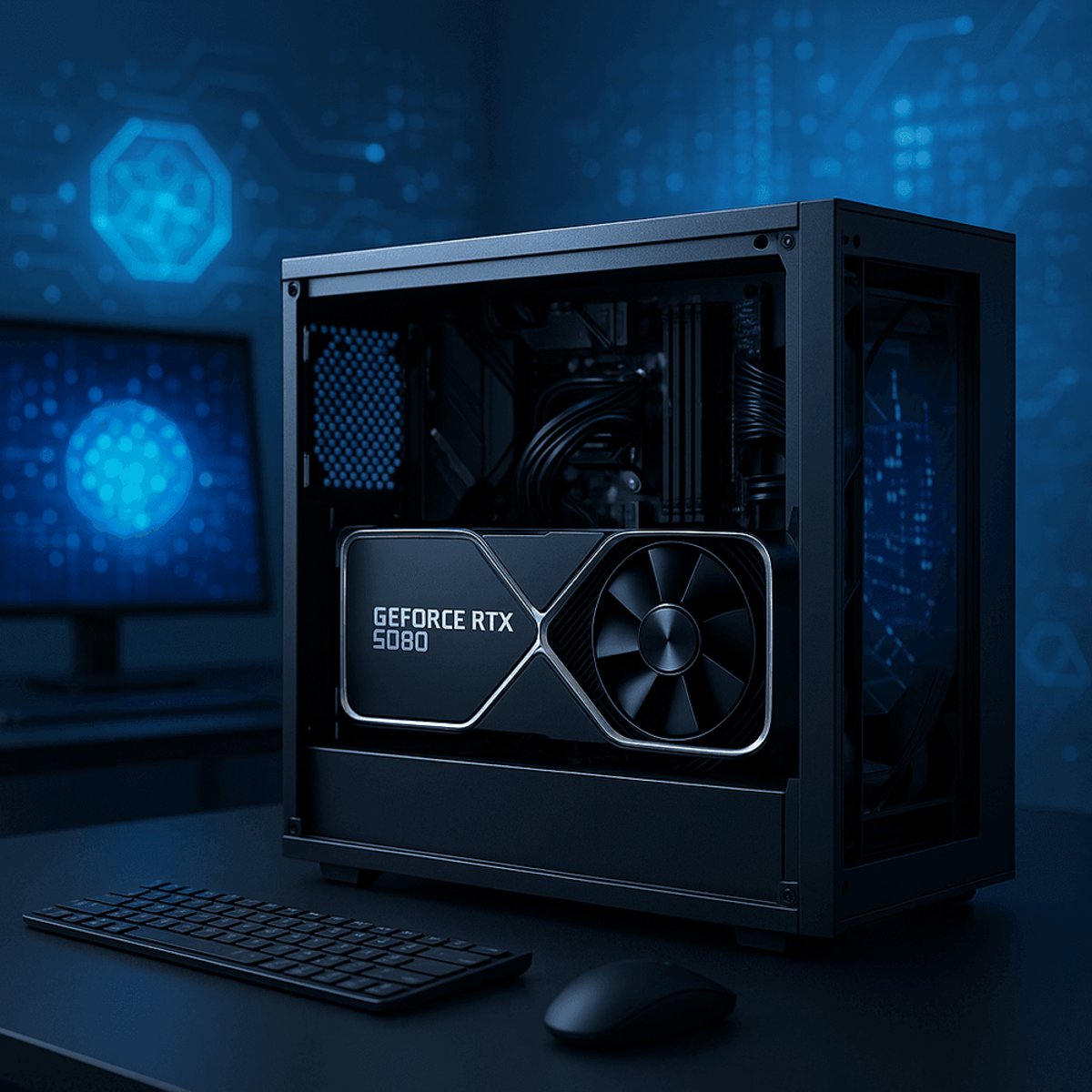
NVIDIA’s latest collaboration with OpenAI has led to the optimization of OpenAI’s open-source gpt-oss models for NVIDIA GPUs, a leap forward for local AI capabilities. This shift not only provides faster, efficient AI inference—handling up to 256 tokens per second on NVIDIA’s GeForce RTX 5090 GPU—but it also indicates a move towards reducing computing latency and increasing privacy by leveraging local resources.
Market Dynamics
OpenAI's move to release the gpt-oss-20b and gpt-oss-120b models in collaboration with NVIDIA is a strategic enhancement of local AI applications, such as web search and research assistance, directly onto PCs. This positions NVIDIA as a leader in AI processing power, given the significant improvements in AI model execution on their GPUs.
Technical Innovation
These models exemplify technical innovation in AI, allowing up to 131,072 context lengths, surpassing typical standards for inference locally. This capability enables extensive problem-solving and data comprehension directly, without the traditional need for high-latency cloud computing. Additionally, leveraging NVIDIA's H100 GPU cluster facilitates a flexible approach to reasoning and introduces support for MXFP4 precision, enhancing model performance and efficiency.
Financial Analysis
From a financial perspective, NVIDIA positions itself to capitalize on the growing segment of AI PC users. By adapting these open models, NVIDIA expects widespread adoption across AI enthusiasts and developers, driving demand for RTX-powered PCs and potentially boosting sales and adoption rates for mid-level GPUs, such as the GeForce RTX 5090.
Strategic Outlook
As more developers and tech companies pivot towards local computing solutions, NVIDIA's strategic alignment with OpenAI solidifies its position in AI hardware acceleration. Potential risks include market competition and innovation pacing; however, opportunities lie in further expanding adoption across enterprise-level applications, synthesizing AI with real-world, edge computing solutions.
Projections for the next six months suggest an uptick in local AI deployments, while over the next two years, we may witness a widespread shift from cloud-dependent to hybrid AI processing models benefiting firms and consumers alike.
Key Takeaways:
- Local AI Optimization: OpenAI's models on NVIDIA GPUs enhance local computing capabilities, promising reduced latency and higher privacy controls.
- Market Position: NVIDIA's strategy solidifies its leadership in AI infrastructure, capitalizing on a growing trend of local processing.
- Future Opportunities: Expect increased adoption in sectors needing high-speed local AI processing, expanding beyond current applications.