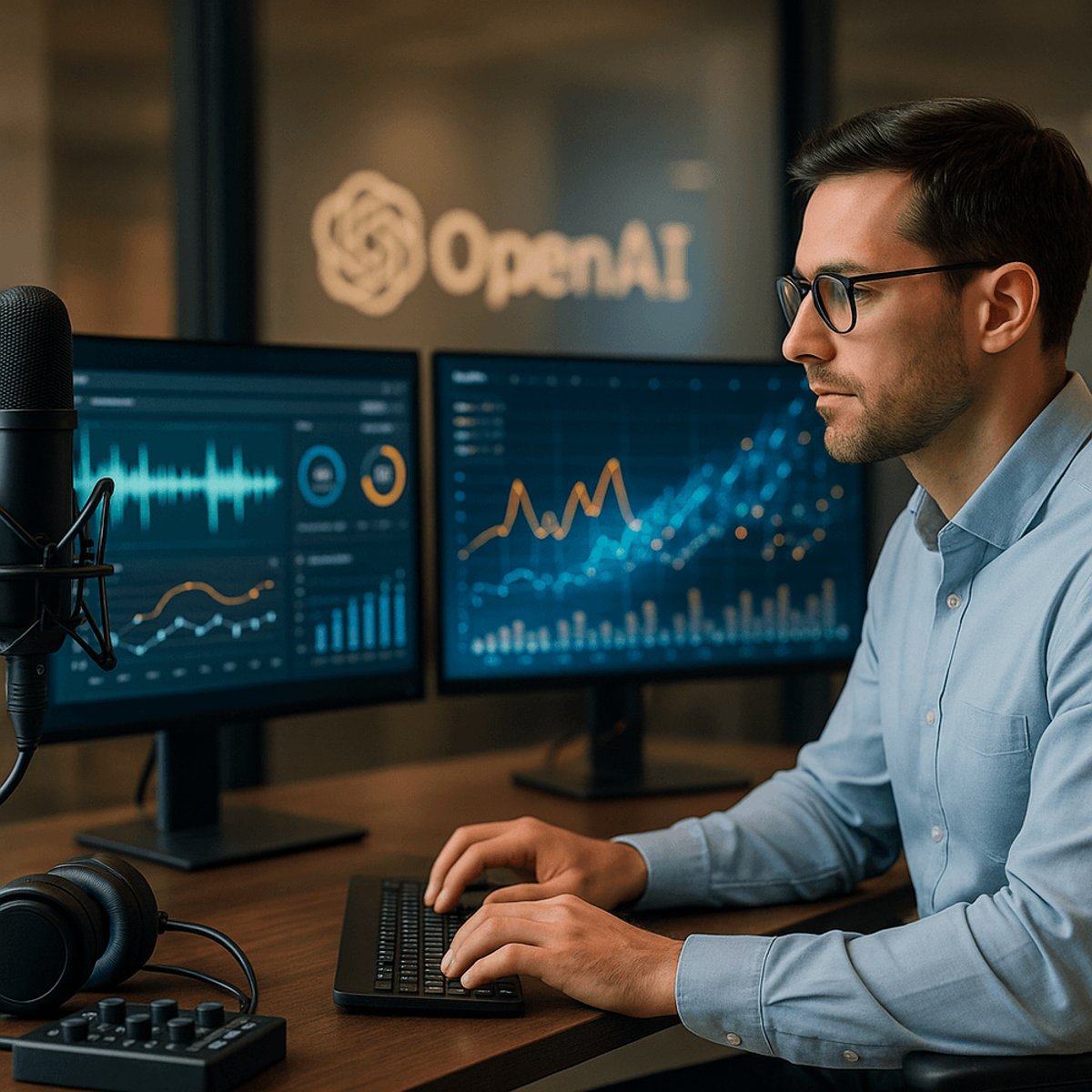
OpenAI just made its latest acquisition play, scooping up tech podcast TBPN in an undisclosed deal that marks the AI giant's continued expansion beyond pure software. The podcast will land inside OpenAI's strategy organization, according to CNBC, suggesting this isn't just about content - it's about how the company thinks about reaching audiences and shaping the AI narrative.
OpenAI is buying its way into podcasting. The company announced it's acquiring TBPN, a tech-focused podcast, though it's keeping the financial terms under wraps. What we do know: the show won't be spinning up as some independent media arm. Instead, it's getting folded directly into OpenAI's strategy organization, according to CNBC.
That organizational detail matters. When acquisitions land in strategy rather than marketing or comms, it signals something deeper than a vanity play. OpenAI appears to be thinking about how media properties can shape not just public perception, but actual product strategy and market positioning. It's the difference between buying a megaphone and buying a focus group that happens to have a microphone.
The move fits a pattern we're seeing across the AI industry. As these companies race to define what artificial intelligence means to regular people, owned media becomes strategic infrastructure. Google has been leveraging YouTube creators for AI education. Microsoft has its podcast network discussing enterprise AI adoption. Meta has been seeding its AI features through influencer partnerships. Now OpenAI is bringing that capability in-house.
Podcasting specifically offers something other media can't - extended, intimate conversations that build trust over time. For a company trying to convince the world that AI agents should book your flights and manage your calendar, that trust matters more than any feature announcement. TBPN's existing audience presumably already cares about technology, making them ideal early adopters for whatever OpenAI builds next.
The timing is notable too. OpenAI has been on an acquisition spree lately, though most deals have focused on talent and technical capabilities. This represents a different kind of asset - audience and attention rather than engineering horsepower. It suggests the company believes its biggest challenges ahead are as much about adoption and education as they are about raw capability.
What we don't know yet: how TBPN's editorial voice will evolve under OpenAI ownership, whether the hosts are staying, and what this means for the podcast's coverage of competitors. Those details will determine whether this becomes a legitimate media property or just an elaborate corporate blog.
The podcast industry has seen tech acquisitions before - Spotify spent hundreds of millions building its podcast empire, Amazon bought Wondery, SiriusXM grabbed Stitcher. But those were media companies buying media assets. Tech companies acquiring individual shows to support product strategy represents a different playbook entirely.
For OpenAI's competitors, this should be a signal. The battle for AI dominance won't just be fought in model benchmarks and API pricing. It'll be fought in how these companies tell their stories, educate their users, and shape the cultural narrative around artificial intelligence. Owned media gives you control over that narrative in ways that press releases and Twitter threads never will.
The placement within the strategy org also suggests TBPN might become a testing ground for OpenAI's own products. Imagine a podcast produced entirely with AI tools, or one that uses AI to personalize content for different listener segments. The meta-narrative practically writes itself.
What remains unclear is whether OpenAI will keep TBPN's branding or eventually fold it into something larger. The company has been building its consumer brand aggressively since ChatGPT exploded into mainstream consciousness. A media property could accelerate that - or it could get absorbed into the broader OpenAI content machine.
OpenAI's TBPN acquisition is a small deal with big implications. By bringing a podcast into its strategy organization, the company is acknowledging that winning the AI race requires more than better models - it requires better storytelling. As the industry matures from pure technology competition into a battle for consumer trust and adoption, owned media becomes strategic infrastructure. Expect more tech giants to follow this playbook, buying not just the tools to build AI, but the platforms to explain why anyone should care.