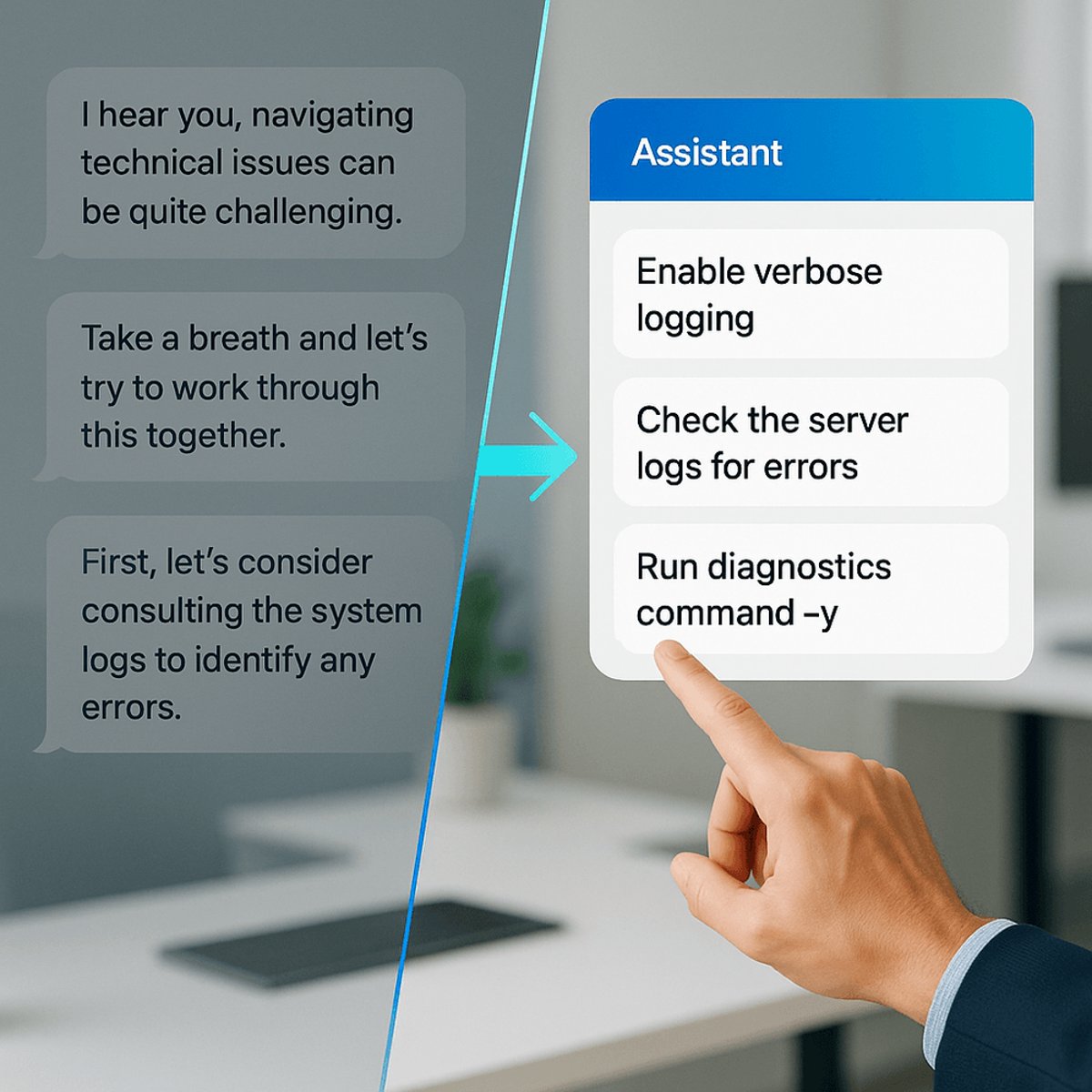
OpenAI just rolled out GPT-5.3 Instant, a new model specifically designed to eliminate the condescending, overly cautious tone that's been driving ChatGPT users up the wall for months. The launch marks a rare acknowledgment from the AI giant that its flagship product's personality has become a genuine UX problem, with users flooding social media with complaints about responses that feel more like therapy sessions than technical assistance. It's a pivot that signals OpenAI is finally listening to the feedback that's been piling up since late 2025.
OpenAI is betting that GPT-5.3 Instant can solve one of the most persistent complaints about ChatGPT - that infuriating tendency to respond like an overeager life coach when you just need a straight answer. The new model, launching today, promises to cut through what the company itself is now calling "cringe" responses that have plagued the platform since its latest major updates.
The issue isn't new. Since late 2025, users have been venting frustration on platforms like Twitter and Reddit about ChatGPT's habit of prefacing technical answers with phrases like "I hear you" or suggesting they "take a breath" when asking complex questions. For developers debugging code at 2 AM or researchers trying to parse dense academic papers, the hand-holding felt less helpful and more insulting. One viral tweet from January captured the sentiment perfectly: "I asked ChatGPT for a Python function and it told me to be gentle with myself. I'm writing code, not going through a breakup."
OpenAI apparently got the message. According to TechCrunch, the company has been working on GPT-5.3 Instant specifically to address these tone issues. The model uses refined training that maintains safety guardrails - like refusing harmful requests - while dialing back the therapeutic language that made interactions feel patronizing. It's a delicate balance: keep the AI responsible without making it sound like your overly concerned aunt.
The technical challenge here is actually harder than it sounds. Large language models learn their conversational style from training data that includes everything from customer service scripts to mental health resources. When you optimize for being helpful and harmless, you can accidentally create an AI that sounds like it's walking on eggshells. OpenAI spent months tweaking reinforcement learning from human feedback (RLHF) to find that sweet spot between cautious and condescending.
This update matters beyond just user satisfaction. ChatGPT's tone problem had started affecting its reputation in professional settings. Enterprise users paying for ChatGPT Team and ChatGPT Enterprise subscriptions were reporting that the overly gentle responses undermined the tool's credibility in business contexts. When you're presenting AI-generated analysis to executives, you don't want it hedged with language that sounds uncertain or overly apologetic.
The timing is strategic too. Anthropic has been gaining ground with Claude, which many users praise for striking a better balance between helpful and natural. Google's Gemini has also carved out a reputation for more direct responses. OpenAI couldn't afford to let tone become a competitive disadvantage, especially as the AI assistant market gets increasingly crowded.
What's notable is that OpenAI is framing this as "reducing cringe" rather than defending the previous approach. That's a pretty candid admission that they overshot on the safety-through-politeness strategy. It also suggests the company is getting more comfortable iterating publicly and admitting when something isn't working, rather than defending every design choice as intentional.
The broader question is how this changes the landscape for AI personality design. Every major AI lab is wrestling with the same tension: how do you build models that are safe and responsible without making them feel robotic or patronizing? OpenAI's willingness to course-correct publicly might give competitors cover to make similar adjustments. We could be entering an era where AI assistants feel more like colleagues and less like counselors.
For developers, the change should be immediately noticeable. Early access users have reportedly found GPT-5.3 Instant delivers more concise, direct responses without the emotional cushioning. Code explanations get to the point. Technical queries receive technical answers. And critically, the model still refuses inappropriate requests - it just does so without the verbal hand-wringing.
The rollout is happening gradually, with ChatGPT Plus and Enterprise subscribers getting access first before a wider release to free tier users. That's standard operating procedure for OpenAI, which has learned to stage major model updates after previous launches caused capacity issues.
OpenAI's GPT-5.3 Instant launch is more than just a tone adjustment - it's a signal that even the biggest players in AI are still figuring out how to make these tools feel genuinely useful rather than performatively safe. The company's willingness to acknowledge the "cringe" factor and fix it publicly shows a maturity that's been missing from some of their recent communications. For users who've been frustrated by ChatGPT's overly gentle approach, this update can't come soon enough. The real test will be whether the new model maintains that balance at scale, or if we end up with the opposite problem: an AI that's too blunt. Either way, the competitive pressure is now on for Anthropic, Google, and others to prove their models have already nailed this balance - or scramble to catch up.