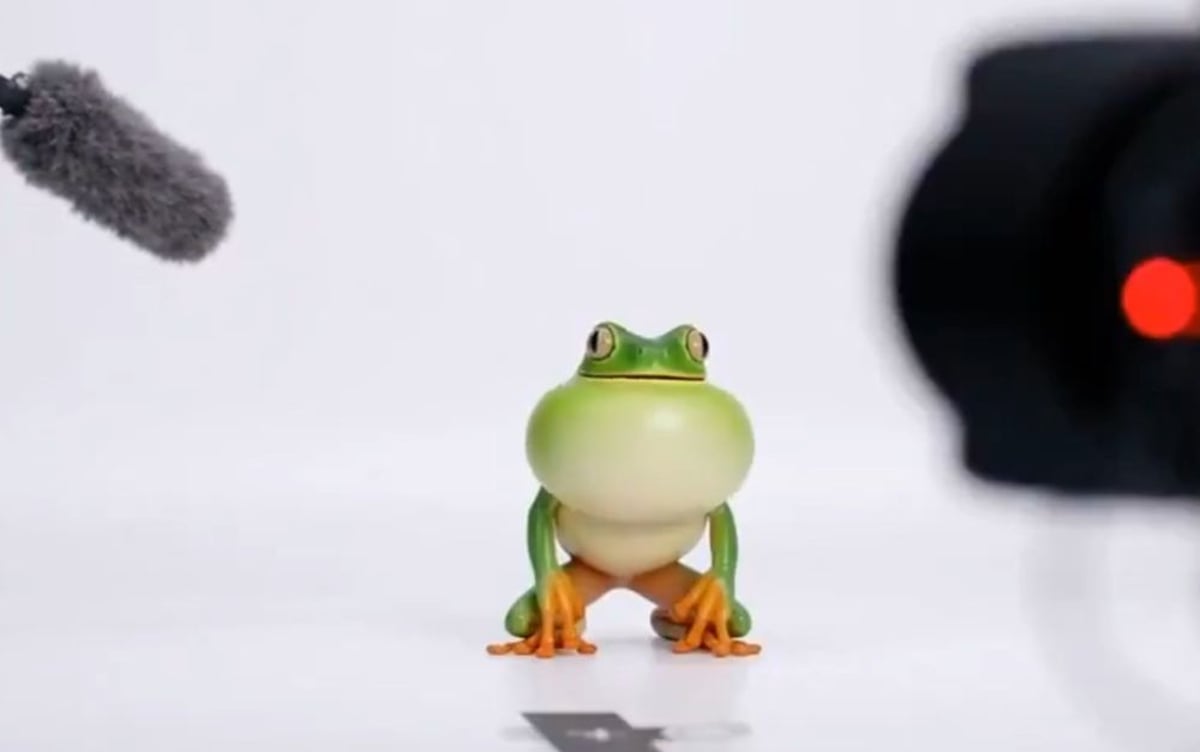
OpenAI just supercharged its Sora video generator with features that blur the line between AI and social media. The company's latest update introduces reusable character avatars - dubbed "character cameos" - that let users turn pets, toys, or illustrations into persistent video protagonists. Combined with new video stitching capabilities, these tools transform Sora from a simple AI generator into something resembling TikTok's creative arsenal.
OpenAI is making its biggest play yet to turn Sora into a social platform, not just an AI tool. The company's character cameo feature represents a fundamental shift in how AI-generated content gets created and shared, letting users build persistent digital personas that can appear across multiple videos.
The timing couldn't be more loaded. Just days after celebrity platform Cameo filed a trademark infringement lawsuit over OpenAI's use of the "cameo" name, the AI giant is doubling down with a feature that directly competes with personalized video content creation.
"Once created, each character comes with its own permissions, separate from your personal likeness: keep it just for yourself, share it with mutual followers, or open it to everyone on Sora," OpenAI explained in its latest release notes. Users can "give your character a display name and handle, and tag it whenever you want it to appear in a video."
This isn't just about AI deepfakes anymore. The character system expands beyond human likenesses to include pets, illustrations, and toys - essentially any visual element that can be turned into a consistent avatar. Think of it as Instagram's story highlights meets AI video generation, where your golden retriever or favorite cartoon sketch becomes a recurring character across your content.
The technical implications run deeper than surface-level fun. OpenAI is essentially building a character database that users contribute to and share, similar to how Meta's platforms leverage user-generated content. But the company remains vague about crucial safety questions: how does Sora distinguish between AI-generated fictional people and real humans? What happens when users upload characters created by competing AI tools?
Video stitching adds another layer of sophistication, letting creators connect multiple Sora-generated clips into longer narratives. This positions Sora closer to traditional video editing workflows while maintaining its AI-first approach. The feature directly challenges platforms like Adobe's creative suite and YouTube's creator tools by making complex video production accessible through simple AI prompts.
OpenAI is clearly betting big on adoption. The company temporarily opened Sora access to users in the US, Canada, Japan, and Korea without requiring invitation codes - a significant shift from its previous invite-only model. This "limited time" accessibility push suggests OpenAI wants to flood the platform with user-generated characters and content before competitors like Google's Veo or Meta's Make-A-Video can match these social features.
The new leaderboards showcasing popular videos and most-used characters reveal OpenAI's social media ambitions. By gamifying content creation with remix counts and character popularity metrics, Sora starts looking less like a professional AI tool and more like TikTok's algorithm-driven discovery engine.
But the legal storm clouds are gathering. Cameo's trademark lawsuit specifically targets OpenAI's use of "cameo" in feature names, arguing the terminology creates consumer confusion. The celebrity platform built its business around personalized video messages from real celebrities - exactly the kind of content that AI-generated character cameos could potentially replicate at scale.
The competitive landscape is heating up fast. While OpenAI races to add social features, Google continues refining Veo's technical capabilities, and Meta integrates AI video generation directly into Instagram and Facebook. The company that successfully combines AI generation with social discovery and sharing will likely dominate the next phase of content creation.
OpenAI's Sora update signals a clear strategic pivot from pure AI tool to social platform competitor. The combination of persistent character avatars, video stitching, and expanded access creates a compelling alternative to traditional video creation workflows. But success will depend on navigating legal challenges from Cameo while competing against tech giants with deeper social media expertise. The real test comes when creators decide whether Sora's AI-first approach can match the engagement and discovery mechanics that made TikTok and Instagram essential for content creators.