Oracle is moving to raise $15 billion through corporate bond sales just weeks after signing a historic $300 billion compute deal with OpenAI. The timing signals Oracle's aggressive push to become the backbone of AI infrastructure, raising questions about how the company plans to finance its ambitious cloud expansion. This marks one of the largest corporate bond offerings in tech this year.
Oracle just dropped a bombshell in the corporate debt markets. The cloud infrastructure giant is reportedly seeking to raise $15 billion through corporate bond sales, according to Bloomberg sources, marking one of the most aggressive financing moves in tech this year.
The timing isn't coincidental. Just three weeks ago, Oracle stunned Wall Street by signing a $300 billion compute deal with OpenAI - a massive infrastructure commitment that immediately raised questions about financing. Now we're getting answers, and they involve Oracle betting big on the debt markets to fund its AI infrastructure ambitions.
The proposed bond structure reveals Oracle's long-term thinking. Bloomberg reports the sale could include up to seven different tranches, with one potentially being a rare 40-year bond - an uncommon maturity for tech companies that typically favor shorter-term financing. This suggests Oracle views its AI infrastructure investments as generational bets requiring decades to fully pay off.
"Questions of how either side was going to pay for such a deal shortly came after," TechCrunch previously reported about the OpenAI partnership. The bond offering provides a clear answer: Oracle is leveraging its strong credit profile to access cheap capital markets funding.
But the OpenAI deal isn't Oracle's only massive AI play. The company is also reportedly in talks with Meta about a $20 billion compute deal, according to Bloomberg sources. Combined, these potential commitments total $320 billion - a staggering amount that would transform Oracle from a traditional enterprise software company into the foundational infrastructure layer for AI's biggest players.
The financing move comes during a period of significant leadership transition at Oracle. CEO Safra Catz stepped down Monday after 11 years at the helm, transitioning to executive vice chair while co-CEOs Clay Magouyrk and Mike Sicilia take over. The timing suggests Oracle's board wanted financing certainty before the leadership handoff.
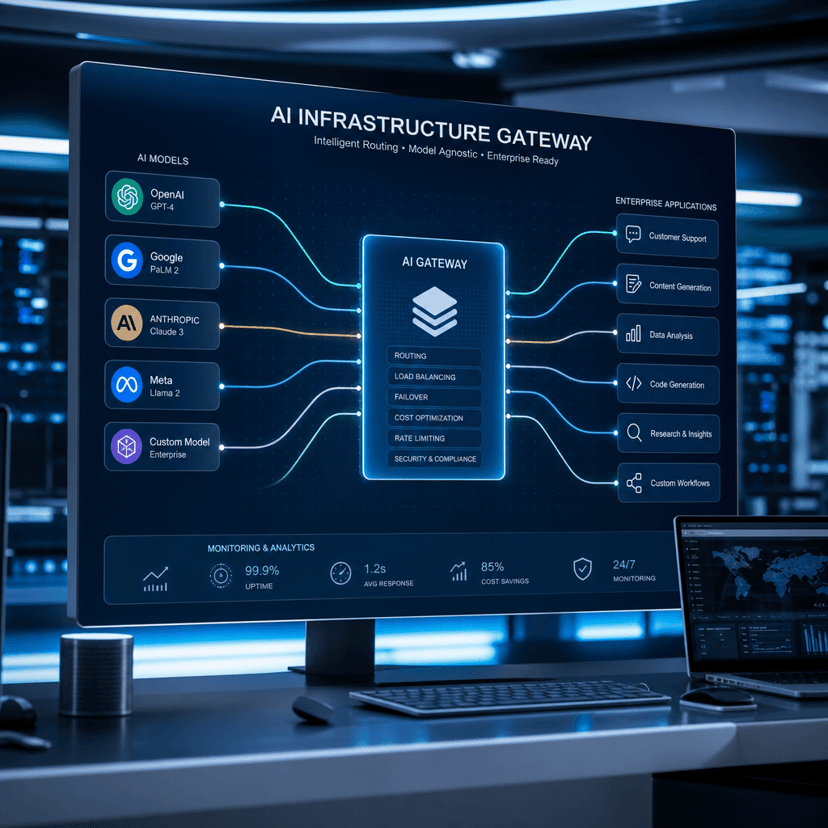
Oracle's aggressive debt financing strategy reflects broader market dynamics in AI infrastructure. While companies like Nvidia capture headlines with chip sales, Oracle is positioning itself as the pick-and-shovel provider - building the massive data centers and cloud infrastructure that AI companies desperately need. It's a capital-intensive strategy that requires patient money.
The 40-year bond maturity is particularly telling. Most tech companies avoid such long-term debt because technology cycles move faster than traditional infrastructure investments. But Oracle appears to be betting that AI compute demand will remain strong for decades, making ultra-long-term financing economically viable.
Corporate bond markets have been receptive to high-quality tech issuers this year, with investment-grade spreads remaining relatively tight despite broader market volatility. Oracle's strong balance sheet and predictable cash flows from its database and software licensing business provide the financial foundation for such large debt raises.
For investors, Oracle's financing strategy represents a clear strategic pivot. The company is essentially borrowing against its stable software cash flows to fund massive infrastructure investments targeting AI workloads. It's a high-stakes bet that positions Oracle as essential infrastructure for the AI economy while potentially transforming its business model from software licensing to infrastructure-as-a-service.
Oracle's $15 billion bond offering signals more than just financing needs - it represents a fundamental strategic shift toward becoming the infrastructure backbone of AI. By leveraging cheap debt markets against stable software cash flows, Oracle is making a generational bet that AI compute demand will justify massive upfront investments. The success of this strategy will determine whether Oracle emerges as an essential AI infrastructure provider or finds itself overleveraged in a rapidly evolving market. With new leadership taking over and hundreds of billions in potential AI deals on the table, Oracle's next moves will be closely watched by both Wall Street and Silicon Valley.