Palo Alto Networks just handed Wall Street another reason to believe the AI security gold rush isn't slowing down. The cybersecurity giant beat quarterly estimates on the back of surging demand for AI-powered detection and response tools, according to a CNBC report, extending a run that's seen its stock nearly double this year while the company keeps snapping up smaller rivals to bulk out its platform.
Palo Alto Networks is having a moment, and the numbers back it up. The company topped Wall Street's expectations for its fiscal fourth quarter, with executives pointing to a surge in demand for AI-powered detection and response tools as the main driver, according to CNBC. It's the kind of beat that validates a strategy the company has been pushing for years: bundle everything into one platform, layer in AI, and make it hard for customers to shop around.
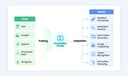
The market's reaction tells the real story. Palo Alto Networks' stock has nearly doubled this year alone, a run that's outpaced most of its peers in the cybersecurity space and turned the company into one of the more closely watched names in enterprise tech. Investors have been rewarding any company that can credibly claim it's riding the AI wave, and Palo Alto Networks has leaned into that narrative harder than most, positioning its Cortex and XSIAM products as the tools enterprises need to fight AI-enabled threats with AI-native defenses of their own.
That framing matters because the threat landscape has genuinely shifted. Attackers are using generative AI to write more convincing phishing lures, automate reconnaissance, and probe for vulnerabilities faster than human security teams can patch them. Chief information security officers have responded by opening up budgets for tools that promise to match that speed, and Palo Alto Networks has positioned itself as one of the default answers to that problem. The company's not alone in chasing that demand, CrowdStrike and Fortinet are fighting for the same enterprise dollars, but Palo Alto's platform-consolidation pitch has clearly found traction with buyers tired of stitching together a dozen point solutions.
The acquisition spree is the other half of this story. Palo Alto Networks has spent the past several years buying its way into new categories, from cloud security to identity, rather than building everything in-house. That approach has let the company expand its total addressable market quickly, but it also means integration risk is a constant background hum for investors watching the stock's valuation climb. Every new deal adds a piece to the platform, and every piece has to actually work together for the pitch to hold up.
What's notable this quarter is that the growth doesn't appear to be coming purely from new logos. A big chunk of it looks like existing customers expanding their contracts to add AI-driven modules, which is generally a stickier and more profitable form of growth than chasing brand-new accounts. That's the kind of detail that tends to keep institutional investors comfortable holding through volatility, especially with a stock that's already had such a strong run this year.
The bigger picture here is about where enterprise security budgets are actually going in 2026. AI hype has cooled in some corners of tech, but cybersecurity keeps being one of the few categories where boards approve spending increases almost automatically, because the cost of getting breached is existential in a way that missing a productivity feature just isn't. Palo Alto Networks' results suggest that dynamic is still very much intact, and that the company's bet on AI-native security tooling is paying off faster than some skeptics expected.
The question now is whether this pace is sustainable. A stock that's nearly doubled in a year sets a high bar for future quarters, and any slowdown in AI-related security spending, or a misstep integrating one of its recent acquisitions, could hit the shares hard. For now, though, Palo Alto Networks has given the market exactly what it wanted to hear: proof that AI isn't just a buzzword in its earnings deck, it's actually showing up in the numbers.
For enterprise buyers and investors alike, Palo Alto Networks' beat is a signal that AI's impact on cybersecurity spending is real, not just a talking point on an earnings call. The company's platform-and-acquisition playbook is working for now, but with the stock priced for continued perfection after nearly doubling this year, every future quarter will need to keep proving that the AI security narrative has staying power beyond the hype cycle.