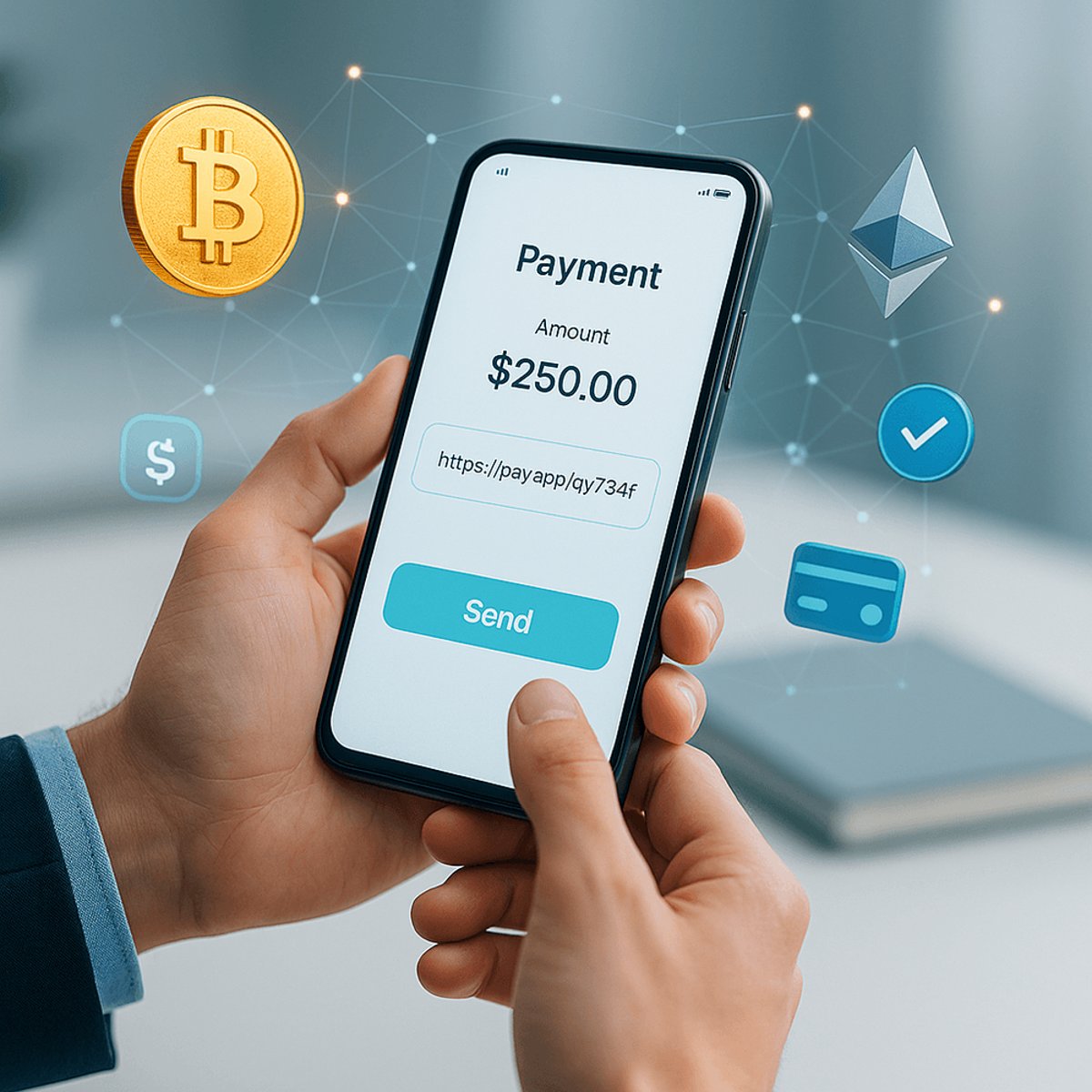
PayPal just dropped a game-changer for peer-to-peer payments. The fintech giant's new PayPal Links feature creates one-time, personalized payment URLs that'll soon support crypto transactions - a move that could reshape how we handle digital money transfers and bring Bitcoin mainstream.
PayPal is shaking up the payments game again. The company just unveiled PayPal Links, a new system that lets users create personalized, one-time payment URLs for peer-to-peer transactions. But here's the kicker - crypto support is coming soon, and that changes everything.
The timing couldn't be better. While competitors scramble to integrate digital currencies, PayPal is quietly positioning itself as the bridge between traditional payments and the crypto economy. The new Links feature complements the existing PayPal Me service, but with a crucial difference - it works both ways.
"PayPal Me links were only used to get paid," according to the company's announcement. The new PayPal Links flip that script entirely. Users can either request money or send it directly through a simple URL, cutting out the usual dance of verifying profiles and account details.
The crypto integration is where things get interesting. Soon, U.S. users will be able to send Bitcoin, Ethereum, and PayPal's own PYUSD stablecoin through these links to PayPal accounts, Venmo, and other compatible digital wallets. It's a bold move that positions PayPal as a serious player in the crypto payments space, not just a traditional processor dabbling in digital assets.
[embedded image: PayPal Links interface showing crypto payment options]
The mechanics are surprisingly elegant. Users open the PayPal app, input payment details, and generate a unique link tied to that specific transaction. These links work in texts, DMs, and online conversations where money changes hands. No more "What's your Venmo?" or fumbling with QR codes - just copy, paste, and pay.
Security-wise, PayPal has built in smart safeguards. Links expire after 10 days if unclaimed, and users can cancel or send reminders anytime. Personal payments stay exempt from 1099-K reporting, keeping the IRS out of your coffee-splitting arrangements.
The global rollout strategy reveals PayPal's ambitions. Starting in the U.S., the feature expands this month to the U.K., Italy, and other key markets. That's a calculated move - these regions have seen explosive growth in both digital payments and crypto adoption.
Industry watchers are already calling this PayPal's answer to newer fintech players like Cash App and Zelle, but with a crypto twist that neither can match. The ability to seamlessly blend traditional and digital currency payments in one simple link format could be the competitive edge PayPal needs.
[video iframe: PayPal Links demo showing crypto payment flow]
The implications stretch beyond just convenience. By making crypto payments as simple as sharing a link, PayPal is potentially accelerating mainstream adoption of digital currencies. Small business owners, freelancers, and everyday users who've been crypto-curious but intimidated by wallet addresses and private keys now have a familiar entry point.
What's next? Watch for PayPal to expand the crypto roster beyond Bitcoin, Ethereum, and PYUSD. The company's been quietly building relationships with other blockchain networks, and this Links system provides the perfect testing ground for new integrations.
PayPal Links represents more than just another payment feature - it's a bridge to the future of money. By combining the simplicity of URL sharing with crypto capabilities, PayPal is betting that mainstream users are ready for digital currency payments without the technical complexity. For an industry still figuring out how to make crypto accessible, that's exactly the kind of innovation that could tip the scales toward mass adoption.