PayPal is finally tearing down the wall between its two biggest payment platforms. Starting in November, Venmo and PayPal users can send money directly to each other using phone numbers and email addresses, ending years of clunky workarounds that frustrated the combined 2 billion users across both services.
PayPal just solved one of fintech's most glaring oversights. After years of user complaints and workaround tutorials, the payment giant is connecting its flagship service with Venmo for direct money transfers starting this November.
The announcement came through customer emails from Venmo, confirming what industry watchers have long expected. "Venmo users and PayPal users will be able to pay each other in the U.S. and worldwide," Venmo wrote to customers. "That means that PayPal users will be able to find and pay you using your phone number, and later using your email address."
The timing isn't coincidental. Digital payments are consolidating rapidly, with Apple Pay and Google Pay gaining ground among younger users who increasingly expect seamless cross-platform functionality. PayPal's decision to finally bridge its own services suggests the company recognizes that artificial friction between its platforms was becoming a competitive liability.
For years, users resorted to convoluted bank transfer methods to move money between the services - a particularly frustrating experience given that PayPal acquired Venmo's parent company Braintree back in 2013. The separation made business sense initially, allowing PayPal to maintain distinct user bases and potentially double-dip on customer acquisition. But as digital payments matured, that strategy started backfiring.
"Perhaps integrating the two services would discourage users from creating accounts on both platforms, disincentivizing PayPal to enable this feature sooner," TechCrunch's Amanda Silberling noted in breaking the story. That calculation has clearly shifted as PayPal faces pressure from newer fintech players like Zelle and Cash App.
The integration launches through phone number lookup initially, with email address search rolling out later. PayPal users will simply input a Venmo user's phone number to initiate transfers, eliminating the multi-step bank routing process that previously frustrated millions of users.
But there's a privacy angle here that's worth noting. Venmo users who prefer to stay hidden from PayPal's broader network can adjust their discoverability settings through Settings > Privacy > Find me. Given Venmo's historically public transaction feed - which has created privacy headaches for government officials - users might want to review those settings anyway.
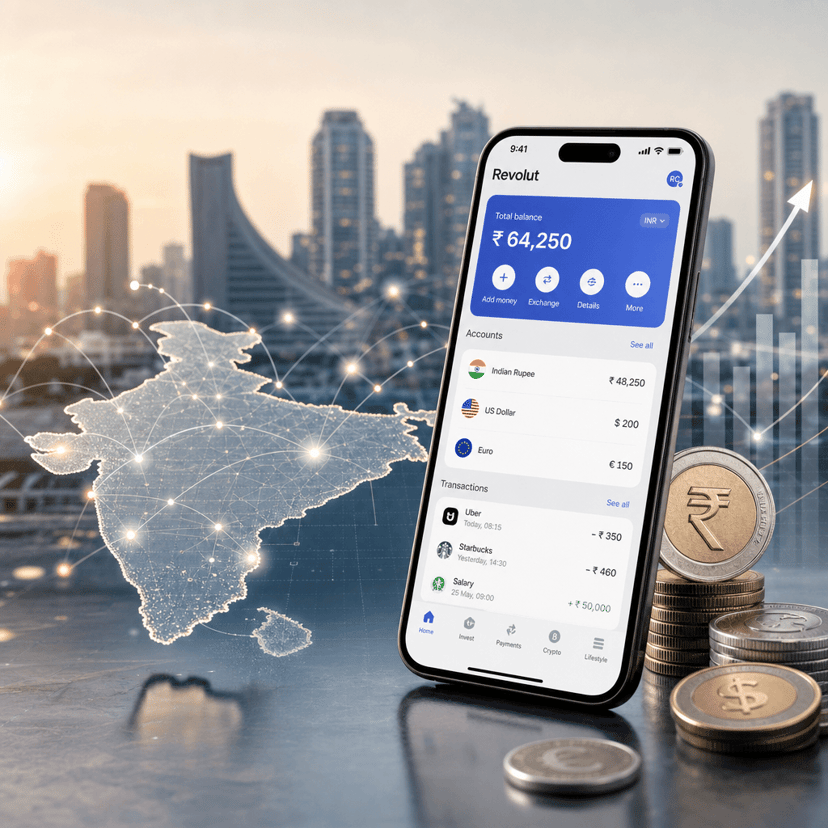
This move represents the opening salvo in PayPal's broader "PayPal World" initiative, announced back in July but without firm launch dates until now. The program extends beyond Venmo to include partnerships with Mercado Pago, NPCI International Payments Limited, and Tenpay Global. That's a significant expansion that could position PayPal as the connective tissue between major regional payment systems worldwide.
The international angle matters more than it might initially appear. Cross-border payment fees have long been a cash cow for traditional financial services, but younger consumers increasingly expect seamless global transfers. By connecting these regional champions, PayPal is betting it can capture transaction volume that might otherwise flow through Wise or emerging crypto-based solutions.
With 2 billion combined users between PayPal and Venmo, this integration immediately becomes one of the largest payment network consolidations in fintech history. The ripple effects will likely pressure other payment platforms to accelerate their own interoperability efforts, particularly as regulatory attention on payment system competition continues to intensify.
PayPal's decision to finally connect Venmo represents more than just feature parity - it's a strategic pivot toward platform interoperability as digital payments mature. With 2 billion users now able to transfer money seamlessly across both services, PayPal is betting that reducing friction will drive higher transaction volumes and stronger network effects. The real test comes as PayPal World expands internationally, potentially reshaping how global payment systems interact. For users, November can't come soon enough to end years of workaround frustration.