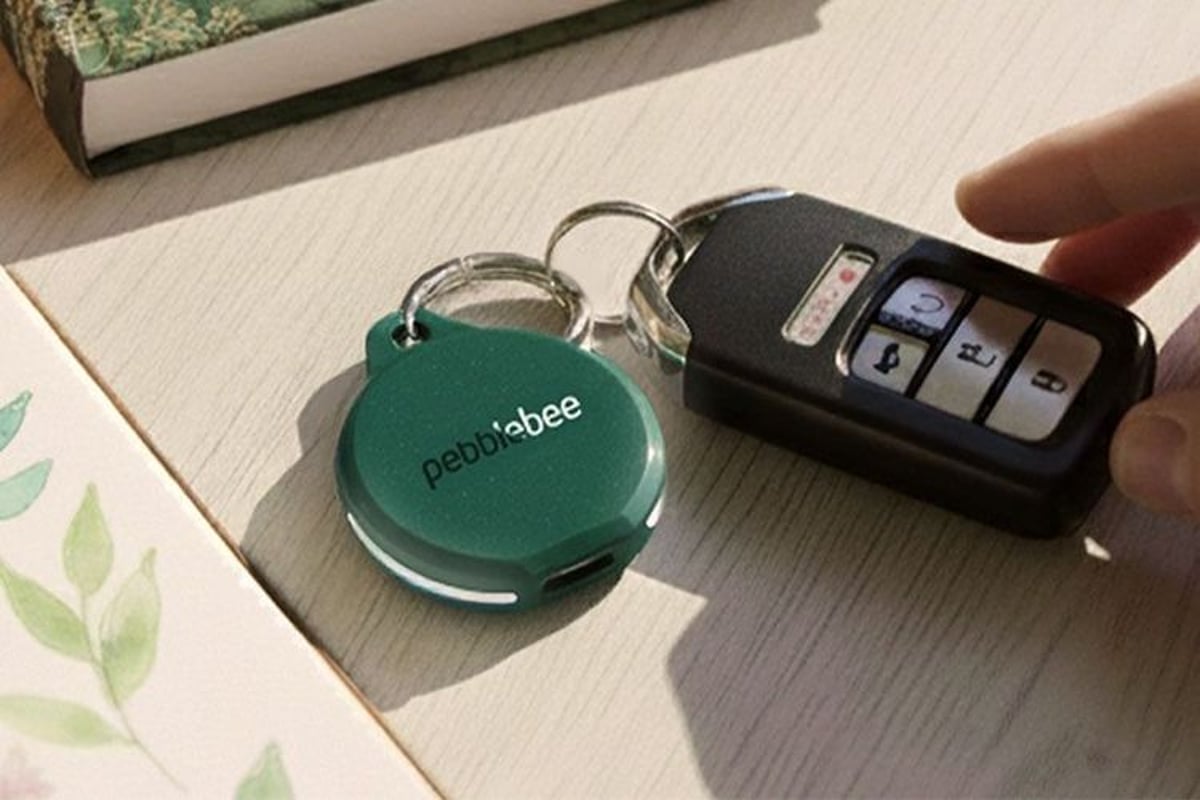
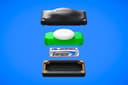
Pebblebee just dropped new versions of its popular tracking devices, and they're aimed squarely at keeping you safer. The Pebblebee Clip 5 and Card 5 trackers launched today with enhanced safety features, including brighter panic alarms and improved durability. At $34.99 each, they're positioning themselves as alternatives to Apple's AirTags with some unique twists.
Pebblebee is betting that tracker buyers want more than just location finding. The company's new Clip 5 and Card 5 devices, available starting today, double down on personal safety features that could make a real difference in emergency situations.
The standout upgrade is the Clip 5's enhanced panic alarm system. Pebblebee has cranked up both the LED brightness and buzzer volume, making it much more likely someone will notice if you're in trouble. A quick double-press of the tracker's button triggers the alarm and automatically sends your location to an emergency contact through the free Alert feature. For users who want more comprehensive emergency sharing, Pebblebee offers Alert Live, a subscription service that can broadcast your real-time location to multiple contacts.
What's interesting is how Pebblebee is tackling the tracker market's biggest challenge - standing out in a world where Apple AirTags dominate. The company's solution is focusing on safety rather than just item tracking. While an AirTag can help you find your keys, the Clip 5 could potentially help others find you in an emergency.
The Card 5 takes a different approach, prioritizing convenience and form factor. At just 1.8mm thick, it's nearly as thin as the Ugreen Finder Slim but offers significantly better battery life - 18 months compared to Ugreen's 12 months. More importantly, Pebblebee ditched the proprietary charging cable that plagued earlier versions. The Card 5 now charges wirelessly using any standard Qi charger, the same ones you'd use for your phone or earbuds.
Both trackers work with either Apple's Find My network or Google's Find Hub system, though you'll need to choose one during setup - they can't switch between networks. This limitation reflects the fragmented nature of the tracking ecosystem, where platform loyalty often determines your device choice.
Pebblebee is also trying something new with its Evercolor program for the Clip 5. Every 12 weeks, the company will introduce two new limited edition colors while retiring the previous options. It's a strategy borrowed from fashion brands and could help keep the product feeling fresh in a market where most trackers look identical.
The pricing puts both devices in direct competition with premium alternatives. At $34.99, they're more expensive than basic AirTags but cheaper than some specialty tracking devices. The question is whether consumers will pay extra for the enhanced safety features and design improvements.
Early hands-on reports suggest the build quality is solid, with the Clip 5 feeling more durable than its predecessor. The wireless charging on the Card 5 works as advertised, though it's still slower than wired options. Battery life claims seem realistic based on similar devices in the market.
The tracking accuracy depends heavily on which network you choose. Apple's Find My network remains the gold standard thanks to the massive iPhone install base, while Google's Find Hub is still building out its device ecosystem. Your choice will likely depend on whether you're primarily an iOS or Android user.
For Pebblebee, these launches represent a bet that the tracker market is ready to evolve beyond basic item finding. The company is clearly targeting users who want devices that can serve dual purposes - tracking belongings and enhancing personal safety. Whether that resonates with consumers remains to be seen, but the enhanced features and competitive pricing suggest Pebblebee is serious about carving out its niche in this crowded market.
Pebblebee's latest trackers represent a thoughtful evolution in a crowded market. The enhanced safety features of the Clip 5 and the improved convenience of the Card 5 show the company understands what users actually want beyond basic tracking. While they're pricier than AirTags, the added functionality and dual-network compatibility could make them appealing alternatives for users who want more than Apple's basic offering. The real test will be whether consumers are willing to pay extra for these premium features in a market that's increasingly focused on value.