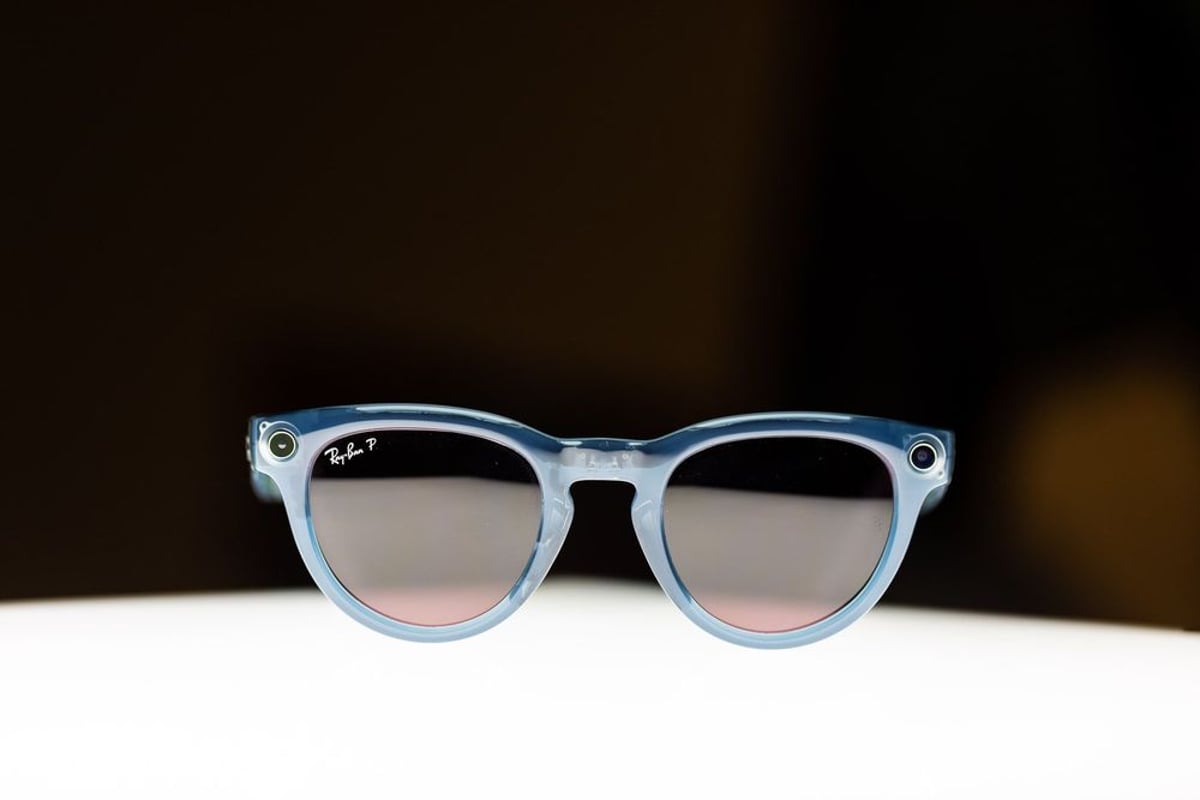
Meta's Ray-Ban smart glasses just hit their lowest price ever at $238.99 for Black Friday - a $60 drop that makes the AI-powered wearables more accessible than ever. While Meta released Gen 2 glasses in October, the original model offers nearly identical features at a fraction of the cost, creating a compelling entry point into smart eyewear.
Meta just made its breakthrough into wearable AI significantly more affordable. The company's Ray-Ban Meta smart glasses dropped to their lowest price ever at $238.99 for Black Friday, down from $299 - creating the most compelling entry point yet into AI-powered eyewear.
The timing couldn't be better for bargain hunters. Meta released the second-generation Ray-Ban glasses just last month, but the improvements are minimal enough that the original model remains virtually identical in daily use. Both versions pack the same 12-megapixel camera, five-microphone array, and most importantly, the same AI capabilities that have made these glasses a surprise hit.
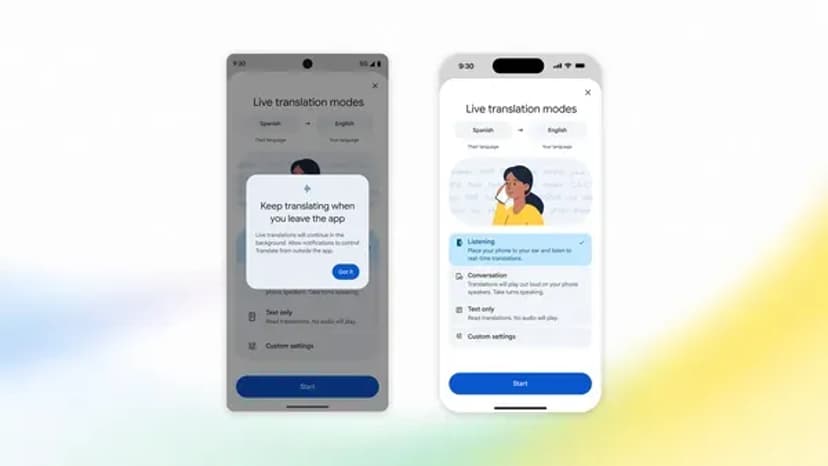
What you're getting for under $240 is remarkable. The glasses let you snap photos and record 1080p video with voice commands, make hands-free calls, and stream music directly to your ears. But the real magic happens with Meta's AI assistant, which can identify landmarks, translate conversations in real-time across Spanish, Italian, and French, and even suggest recipes based on what's in your fridge.
"The AI features work surprisingly well in practice," according to The Verge's comprehensive review. The voice recognition accurately captures commands even in noisy environments, while the translation feature has proven especially useful for travelers.
Perhaps more importantly, Meta isn't abandoning the first-generation model. The company confirmed that upcoming software updates rolling out this fall will bring Gen 2 features to the original glasses, including new slo-mo and hyperlapse video modes, plus a "conversation focus" feature that amplifies whoever you're speaking with. The translation capabilities will also expand to include German and Portuguese.
The only meaningful upgrade in the Gen 2 model is battery life. The newer glasses offer eight hours of continuous use with a charging case that provides an additional two days of runtime - totaling about 56 hours. The original model provides about 36 hours total, which still covers most users' daily needs.
Retailers are matching the $238.99 price across Amazon, Best Buy, and Target, suggesting coordinated inventory clearing ahead of the holiday season. The deal represents a 20% discount and brings the glasses below the $250 psychological barrier that many consumers consider for tech accessories.
For Meta, this pricing strategy makes sense. The company needs to build market share in wearables before Apple's rumored smart glasses arrive next year. Getting more Ray-Ban Metas into consumers' hands now creates a user base familiar with AI-powered eyewear - and potentially loyal to Meta's ecosystem.
The glasses integrate seamlessly with Facebook and Instagram for instant photo and video sharing, plus livestreaming capabilities that appeal to content creators. Early adopters report using them most for hands-free photography during family gatherings and travel, where traditional phone cameras feel intrusive.
Industry analysts see this deal as Meta's broader push to mainstream AI hardware before competitors gain traction. "They're prioritizing market education over profit margins," noted one wearables analyst. "Getting people comfortable with AI glasses now pays dividends when the market explodes."
The $60 discount also makes the Ray-Ban Metas competitive with premium audio sunglasses from Bose and others, while offering significantly more functionality. For many consumers, this represents their first encounter with practical AI integration in daily life.
This Black Friday deal represents more than just a discount - it's Meta's bet that affordable AI wearables can capture mainstream adoption before competitors arrive. At $238.99, the Ray-Ban Meta glasses offer a practical introduction to AI-powered daily computing that feels natural rather than gimmicky. For consumers curious about smart glasses but hesitant about the price, this deal removes the biggest barrier to trying the future of wearable technology.