Meta CEO Mark Zuckerberg just delivered a rare reality check on the company's AI ambitions. During an internal meeting, Zuckerberg reportedly told staff that the development of AI agents hasn't progressed as quickly as he'd hoped, according to TechCrunch. The admission marks a significant shift in tone from a company that's poured billions into AI infrastructure and comes as the entire tech industry grapples with the gap between AI hype and practical deployment.
Meta CEO Mark Zuckerberg isn't sugarcoating it anymore. The company's AI agents - those autonomous software assistants promised to revolutionize everything from customer service to content creation - are taking longer to build than anyone at Meta expected.
The candid assessment came during an internal company meeting, where Zuckerberg reportedly acknowledged that AI development efforts weren't moving as quickly as anticipated. It's a remarkable admission from a CEO who's spent the past two years betting the company's future on artificial intelligence, pouring an estimated $40 billion into AI infrastructure and research.
The timing couldn't be more awkward. Meta has been racing against OpenAI, Google, and Microsoft to deliver AI agents that can actually do useful work - not just chat convincingly. While competitors like OpenAI have shipped agent-like features and Google continues expanding its Gemini capabilities, Meta's own AI assistant rollout has been more measured than the company's initial rhetoric suggested.
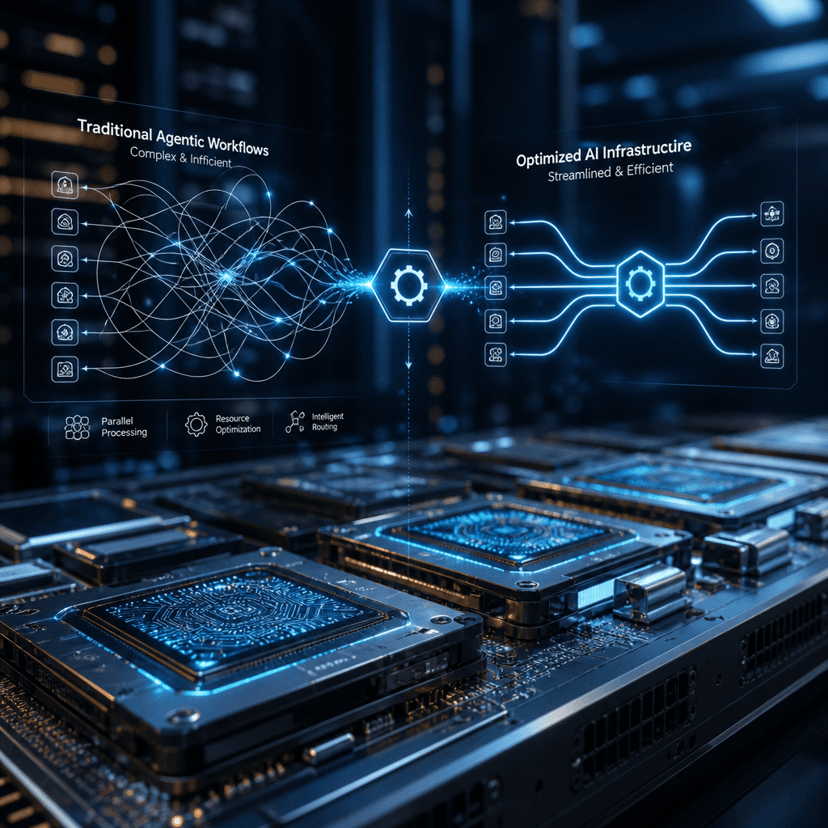
What makes this particularly telling is what it says about the state of AI agents broadly. The entire industry has been hyping autonomous AI agents as the next frontier - software that can book your flights, manage your calendar, handle customer support, even write and deploy code. But turning that vision into reality has proven far trickier than the demos suggested.
Meta isn't alone in hitting these speed bumps. Even OpenAI, which launched agent-focused features earlier this year, has faced questions about reliability and real-world utility. The gap between what AI agents can do in controlled environments versus messy, unpredictable real-world scenarios remains stubbornly wide.
For Meta specifically, the stakes are enormous. The company has reorganized entire teams around AI development, acquired massive GPU clusters from Nvidia, and repeatedly told investors that AI would drive the next wave of engagement across Facebook, Instagram, and WhatsApp. Zuckerberg himself has positioned AI agents as central to Meta's future business model - potentially handling everything from ad targeting to content moderation to creator tools.
But building AI systems that work reliably at Meta's scale - serving nearly 4 billion users across multiple platforms - introduces complexity that smaller competitors don't face. An AI agent that works fine for a few thousand beta users might completely fall apart when exposed to the chaos of real Facebook groups or Instagram comments.
The internal admission also raises questions about Meta's timeline for AI monetization. Wall Street has largely given the company a pass on AI spending based on promises of future returns. If development is lagging, those returns get pushed further out, potentially testing investor patience as competitors ship customer-facing products.
What's perhaps most significant is that Zuckerberg chose to be transparent about the challenges rather than papering over them with optimistic spin. That kind of candor is relatively rare in an industry that tends to overpromise and underdeliver on AI timelines. It suggests Meta is recalibrating expectations internally, even if the public messaging stays bullish.
The broader tech industry should probably pay attention. If Meta - with its resources, talent, and data advantages - is struggling to ship AI agents at the pace it expected, that's a signal about how hard this problem really is. We're likely in for a longer, messier transition to the AI agent future than the conference keynotes suggested.
Zuckerberg's internal admission marks a pivotal moment in the AI narrative. After years of breathless hype about autonomous agents transforming everything, one of tech's biggest players is acknowledging the messy reality: this stuff is harder than it looks. For investors, it's a warning that AI returns might take longer to materialize. For the industry, it's a reminder that demos and production are very different beasts. And for everyone betting their company's future on AI agents, it's a signal to maybe adjust those timelines and temper those promises. The AI agent revolution is still coming - it's just going to take longer than the keynotes suggested.