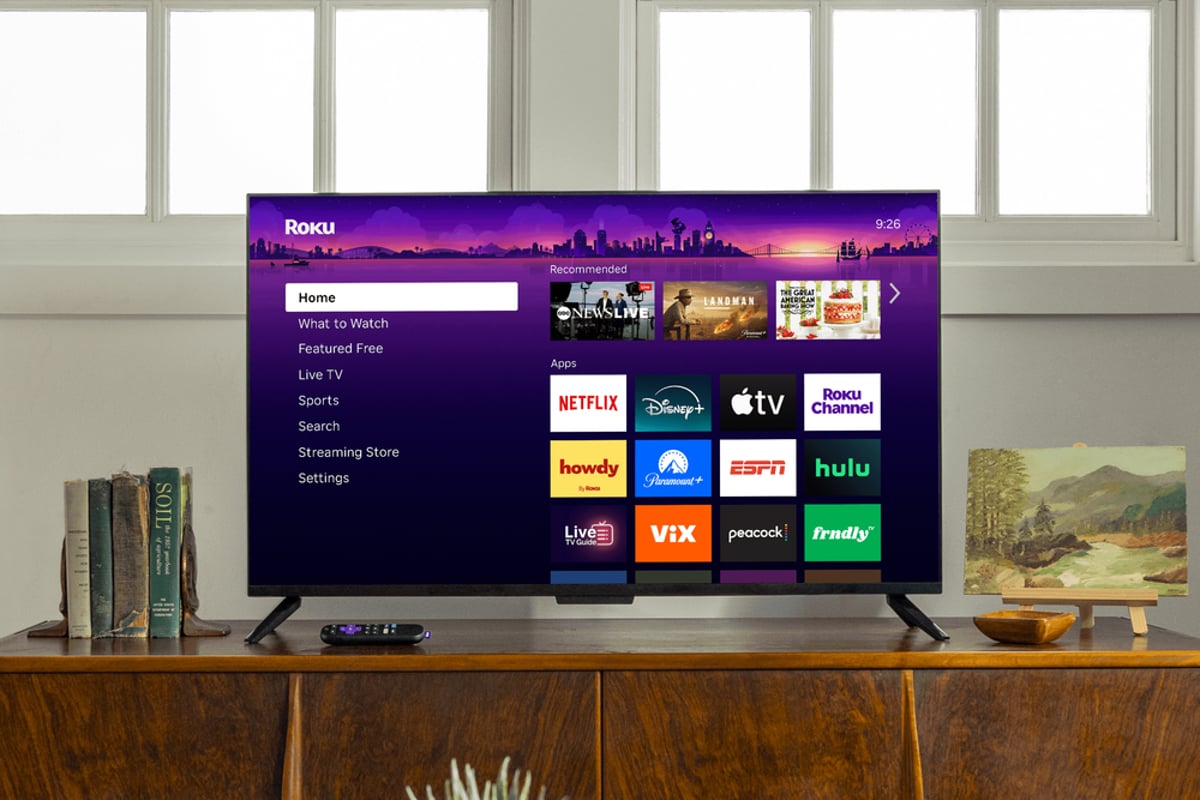
Roku just fired a shot across Amazon's bow in the streaming wars. The company's rolling out AI-powered voice features that let users ask conversational questions about movies and shows - directly challenging Amazon's Alexa Plus integration on Fire TV. Instead of just basic commands, Roku Voice can now handle queries like "How scary is The Shining?" or explain movie trivia, marking a major shift in how we'll interact with our TVs.
Roku isn't just updating its voice assistant - it's completely reimagining how we discover and understand entertainment content. The streaming platform's new AI-powered Roku Voice can now field conversational questions about movies, shows, and actors, transforming what used to be simple remote commands into natural dialogue.
The timing couldn't be more strategic. Amazon has been pushing its AI-powered Fire TV search since last year, recently upgrading it with Alexa Plus integration that helps users find specific scenes and learn about actors' backgrounds. Meanwhile, Netflix is piloting conversational search powered by OpenAI, creating a three-way AI arms race in the living room.
Roku's approach focuses on contextual understanding rather than just search. Users can ask "What kind of fish is Nemo?" and get text responses displayed on-screen along with relevant content links. It's the kind of functionality that turns your TV into something closer to a smart display, bridging the gap between passive viewing and active discovery.
But Roku isn't stopping at voice. The company's expanding Bluetooth headphone support to its Streaming Stick and Streaming Stick Plus models, addressing one of the most requested features from cord-cutters who want private listening without waking the house. This puts Roku on par with premium streaming devices that have offered wireless audio for years.
The mobile app updates reveal Roku's broader strategy. New shortcuts for closed captions, sleep timers, and the "find my remote" feature suggest they're thinking about the entire viewing ecosystem, not just the main screen experience. The addition of like/dislike ratings and content sorting options shows Roku taking recommendation algorithms seriously - crucial as viewers increasingly rely on platforms to surface content from the overwhelming catalog choices.
The "Ways to watch" button represents perhaps the most user-friendly improvement. Instead of making viewers hunt for where a movie is available, Roku will surface streaming options directly alongside trailers. It's a small change that could have big implications for how content gets discovered and consumed across different services.
Roku's search expansion into Live TV zones and upcoming Channel Guide integration signals they're not just competing with on-demand platforms. They're positioning themselves as the central hub for all viewing, whether that's Netflix originals or local news broadcasts.
The real-time sports scores in Roku Sports might seem like a minor addition, but it reflects how streaming platforms are evolving beyond simple content delivery. By adding spoiler controls and game reminders sent to phones, Roku is building the kind of comprehensive sports experience that traditionally lived on cable boxes or dedicated apps.
What makes this development particularly significant is the timing. As traditional TV viewership continues declining and streaming fragmentation frustrates consumers, the platform that can best organize and contextualize content has a massive advantage. Amazon has been using AI to create that advantage on Fire TV, while Netflix is testing it within their walled garden.
Roku's approach is different - they're platform-agnostic, working across multiple streaming services rather than pushing their own content. This could make their AI assistant more valuable to consumers who don't want to be locked into Amazon's ecosystem or Netflix's catalog limitations.
The question now is execution. Voice assistants have promised conversational TV interaction for years, but most users still stick to basic commands because the technology hasn't been reliable enough for complex queries. If Roku can deliver genuinely useful responses to entertainment questions, they might finally crack the code on making voice the preferred way to navigate streaming content.
Roku's AI voice upgrade represents more than feature parity with competitors - it's a bet on becoming the universal remote for the streaming age. While Amazon pushes users toward Prime Video and Netflix keeps AI within their app, Roku's platform-agnostic approach could appeal to viewers juggling multiple subscriptions. The success of these conversational features will ultimately depend on whether they actually make finding something to watch easier, or just add another layer of complexity to an already fragmented streaming landscape.