Samsung just made a bold play to bring premium AI features down-market. The company announced the Galaxy A07 5G today, packing Google's Gemini assistant and Circle to Search into a budget-friendly device launching Jan. 30. It's Samsung's latest push to democratize AI experiences beyond flagship phones, pairing intelligent features with a massive 6,000mAh battery and six years of software support.
Samsung is gambling that AI features sell phones even at budget price points. The Galaxy A07 5G, announced today, represents the company's most aggressive push yet to bring premium intelligence capabilities to its mass-market A-series lineup. By integrating Google's Gemini assistant and Circle to Search directly into a sub-flagship device, Samsung is testing whether AI has become table stakes across all price tiers.
The timing matters. As smartphone upgrade cycles stretch longer and consumers grow pickier about new purchases, manufacturers are scrambling to find compelling reasons for people to buy. Samsung's answer is simple - give budget buyers the same AI tools that defined the Galaxy S25 launch just weeks ago, then wrap them in hardware good enough that nobody feels shortchanged.
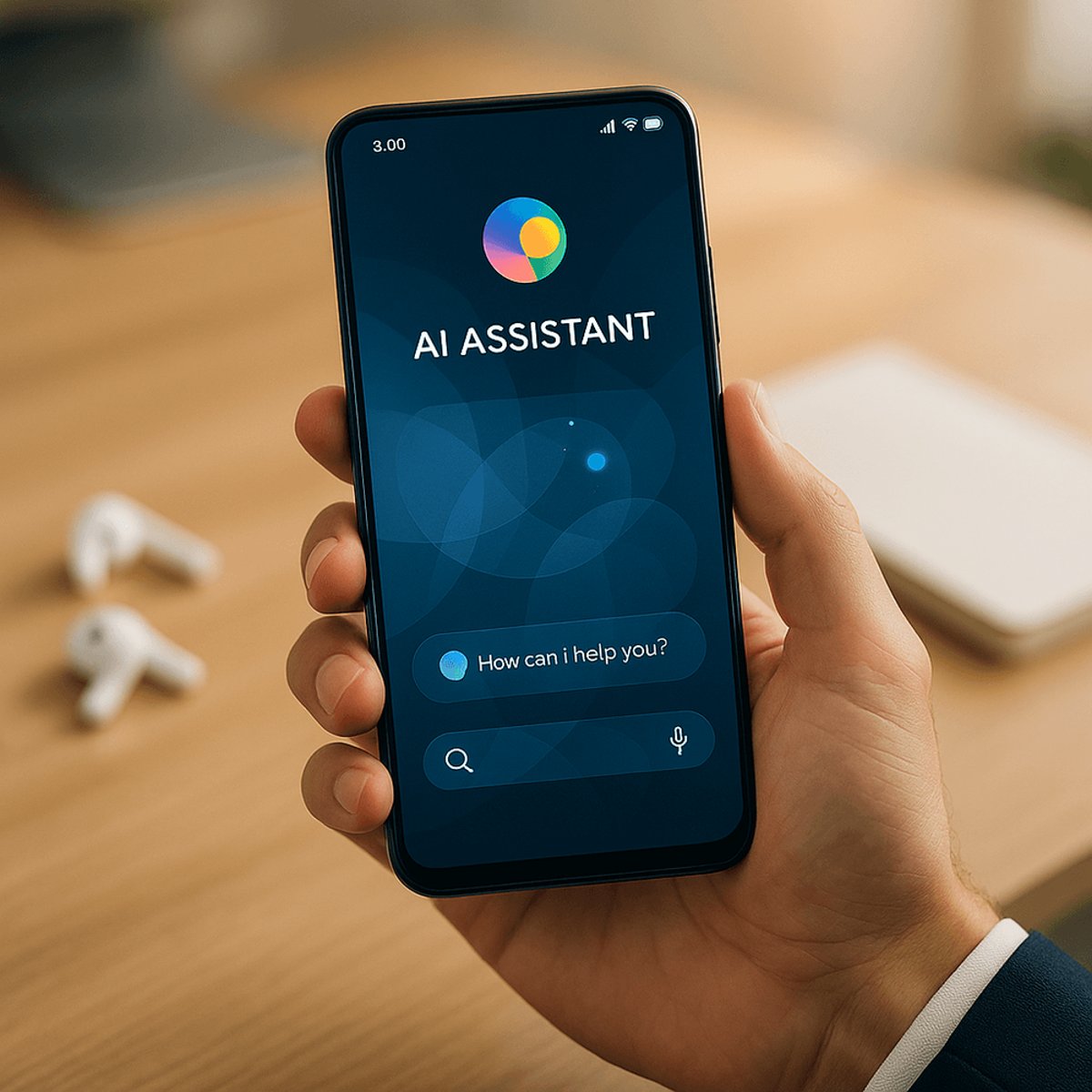
At the heart of the Galaxy A07 5G sits a side-button shortcut to Gemini, letting users summon Google's AI assistant with a single press. According to Samsung's announcement, the integration runs deep - Gemini can navigate across native Galaxy apps and select third-party software, handling complex multi-step tasks without the clunky app-switching that plagued earlier assistant attempts. Gemini Live adds conversational capabilities, turning the assistant into something closer to a knowledge companion than a simple command executor.
Circle to Search, which lets users highlight anything on-screen to trigger instant Google searches, rounds out the AI package. The feature debuted on premium devices but now arrives in budget territory, a sign that Google and Samsung see visual search as foundational rather than premium.
But Samsung didn't just slap AI onto last year's budget chassis and call it a day. The hardware upgrades tell a story about what actually matters to cost-conscious buyers. The 6,000mAh battery dwarfs the previous generation by 120%, addressing the number-one complaint about budget phones - they die too fast. Real-world usage means extended video playback and all-day reliability without the anxiety of hunting for outlets.
The 6.7-inch display pushes 120Hz refresh rates, a spec that was flagship-exclusive just two years ago. High Brightness Mode peaks at 800 nits, ensuring outdoor visibility doesn't become a dealbreaker. Samsung added IP54 dust and water resistance plus a glass-fiber-reinforced polymer back panel designed to survive the inevitable drops and bumps that come with everyday use. These aren't flashy features, but they address real pain points.
Camera specs land squarely in the practical category - a 50MP wide lens paired with a 2MP depth sensor for portraits, plus an 8MP front camera. Nobody's expecting computational photography miracles at this price point, but Samsung's tuning historically punches above the hardware specs suggest.
The most surprising move is Samsung's software commitment. Six generations of OS upgrades and six years of security updates match what the company promises on devices costing three times as much. That longevity play directly counters the perception that budget phones are disposable - buy the A07 5G today and Samsung promises it'll still receive meaningful updates in 2032. Knox Vault security, Theft Protection, and Auto Blocker features trickle down from the flagship lineup, another sign that Samsung sees long-term value in keeping budget buyers inside its ecosystem.
The broader industry context here is fascinating. Apple continues to hold the iPhone SE at a premium price point with years-old designs, betting that iOS alone justifies the cost. Chinese manufacturers like Xiaomi and Realme flood budget tiers with feature-packed devices but struggle to match Samsung's software support and retail presence in Western markets. Samsung is threading a needle - offering enough premium features to compete with Chinese rivals while maintaining the polish and longevity that keep customers loyal.
Google benefits directly from this push. Every Galaxy A07 5G sold is another device running Gemini by default, another user potentially subscribing to Google One for expanded AI features, another datapoint training Google's models. The partnership isn't just about features - it's about distribution at scale in markets where Google's own Pixel lineup barely registers.
The Galaxy A07 5G launches Jan. 30 in select regions with three color options. Samsung didn't announce pricing, which likely varies significantly by market, but the A-series typically slots into the $200-$400 range depending on configuration and location. That positioning puts it directly against offerings from Motorola, Nokia, and the flood of Chinese brands fighting for attention in carrier stores and online marketplaces.
What's not included tells its own story. There's no mention of wireless charging, no flagship-grade processor specs, no cutting-edge camera arrays. Samsung made calculated tradeoffs, investing in battery life, display quality, and AI features while skipping the bells and whistles that most budget buyers never use anyway.
Samsung's betting that AI has become non-negotiable across all price tiers, and the Galaxy A07 5G tests that thesis with real stakes. By matching flagship software support and bringing Gemini integration to budget buyers, Samsung is reshaping expectations for what sub-$400 phones should deliver. If the strategy works, expect every manufacturer to follow suit - and expect the definition of a budget phone to shift dramatically. The question isn't whether AI features will spread downmarket, but how fast competitors can catch up to Samsung's six-year support commitment.