Samsung just staked its claim on the AI race with a bold vision of AI as a daily companion. Two days before CES 2026 officially kicks off, the electronics giant held The First Look 2026 press conference in Las Vegas, unveiling a strategic push to embed AI across its entire product lineup. The move signals how aggressive Samsung's becoming in positioning itself as the company that brings artificial intelligence to everyday people, not just tech enthusiasts or enterprises.
Samsung Electronics just made its CES 2026 move, and it's all about AI. On January 4th, two days before the official show floor opens, the company held The First Look 2026 press conference at the Wynn Las Vegas. The timing's strategic. By going early and going big on AI positioning, Samsung's signaling that this isn't some afterthought or feature add-on. This is the company's central narrative heading into the biggest consumer tech event of the year.
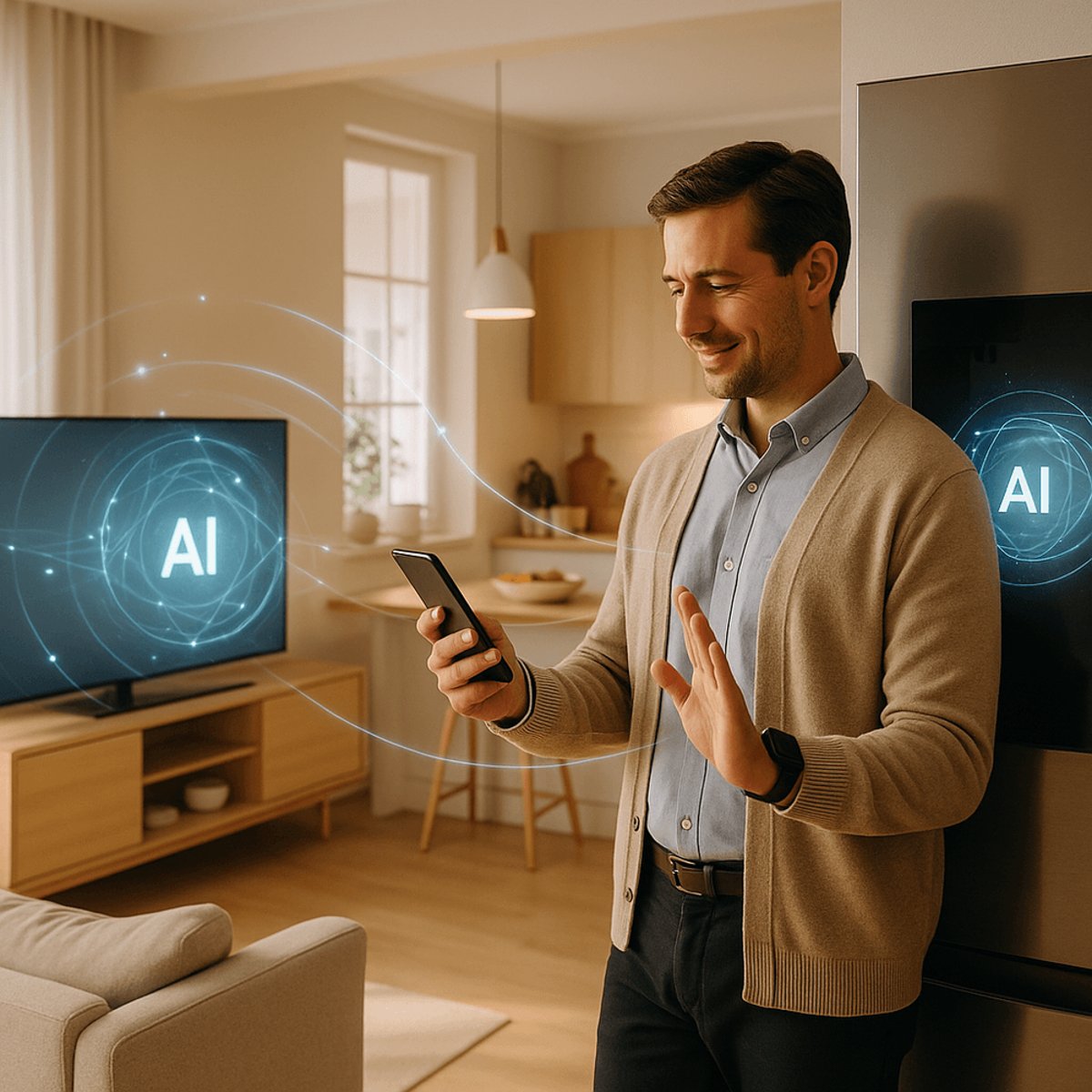
The headline is simple but loaded: "Your Companion to AI Living." It's Samsung's way of saying AI isn't this distant, technical thing anymore. It's supposed to be your everyday buddy, helping with convenience, care, and joy. That language matters because it's deliberately human-centered. We're not hearing buzzwords about computational power or model sizes. We're hearing about how AI fits into real life.
What Samsung's really doing here is doubling down on democratization. The company made a point of emphasizing its commitment to integrating AI across its product lineup and services. That's the key differentiator. While competitors debate whether AI belongs on phones or in the cloud, Samsung is taking a different approach: put AI everywhere. Your TV, your phone, your refrigerator, your washing machine. Make it ubiquitous enough that it becomes unremarkable.
This move puts Samsung in direct territorial competition with both Apple and Google. Apple has been hesitant on AI, keeping things cautious and privacy-focused. Google is embedding AI deeper into Android and services, but Samsung controls the hardware experience across its ecosystem. That's leverage. Samsung gets to decide how AI looks, feels, and behaves across devices most people actually own.
The company's also positioned this moment smartly from a narrative standpoint. Rather than announcing individual products right away, Samsung dropped the strategic vision first. It's a classic move: set the expectation that everything you're about to see over the next week is connected to this larger vision of AI companionship. It means when they announce a new TV, or phone, or household gadget, the context is already there.
The timing, too, matters more than it might seem. CES 2026 is happening in a world where AI adoption is becoming mainstream but still fragmented. Consumers want it, but they're confused about what it actually does. By going first with a clear, human-centered narrative, Samsung gets to shape how people think about AI in consumer products. They're not being defensive or cautious. They're being assertive.
The company also didn't skimp on logistics. The press conference was held in Samsung's dedicated exhibition space, and it drew major international media. That sends a signal: this isn't a side event, this is the main show. Samsung is betting big on AI, and it's willing to put resources behind convincing the world it's the company that gets it.
What we're actually watching is Samsung trying to shift the conversation away from raw AI capabilities or model performance and toward usefulness. That's smart. Most consumers don't care if you're using GPT-4 or something proprietary. They care if the tech makes their life easier. By focusing on companionship and daily living, Samsung is speaking directly to consumer wants rather than tech specs.
Samsung is making a calculated bet that the future of AI isn't about who has the smartest model, but who builds the most seamless AI experience across the devices people use every day. The company's banking on the fact that ordinary people don't want to think about AI at all. They just want their devices to work better, smarter, and more intuitively. That's a different game than Google's, which is betting on search and cloud infrastructure, or Apple's cautious approach to on-device intelligence. Over the next week at CES, we'll get to see if Samsung's vision actually delivers on that promise or if it's just polished marketing.