Google is bringing Gemini directly into Google Trends, overhauling the Explore page with AI-powered trend discovery. The redesigned tool now automatically identifies related searches and offers smart comparison insights, making it easier for journalists, researchers, and creators to understand what's actually happening in search. The feature rolls out on desktop starting today with gradual availability coming next.
Google is making a strategic move to put Gemini directly in the hands of journalists, researchers, and content creators. The company's redesigned Trends Explore page now uses AI to do the heavy lifting of trend analysis - automatically surfacing related searches and comparison data that would normally take manual digging to find.
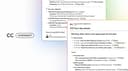
Here's what changed. When you search for something trending on the new Explore page, a smart side panel powered by Gemini instantly populates up to eight related search terms on the graph. If you're researching dog breed trends, for example, it'll automatically pull in comparisons for golden retrievers, beagles, and other related queries. But it goes deeper than that - the panel also suggests tangential searches like 'hypoallergenic dog breeds' or 'large dog breeds,' giving researchers a richer picture of what's actually driving interest.
The interface got a visual overhaul too. Each search term now gets dedicated icons and colors, making it way easier to track individual lines on the graph rather than squinting at overlapping data. Google also doubled the number of 'rising queries' it surfaces in each timeline window - those spike indicators that show you why a search term jumped in popularity. For trend researchers, that's the difference between knowing something trended and actually understanding the why behind it.
Nir Kalush, who announced the feature on Google's blog, emphasized the time-saving angle. 'When you're exploring a subject on Trends, you often want to compare data for related searches to make sure you understand the full picture. But figuring out what these related searches are can take time.' That's the exact friction point Gemini removes here. Instead of manually brainstorming related terms or running multiple searches, the AI just knows what matters.
Users also get suggested Gemini prompts built into the page now - pre-written questions designed to help you dig deeper into whatever trend you're looking at. It's a small touch but a revealing one. Google is essentially scaffolding the conversation between user and AI, nudging people toward asking smarter questions about the data in front of them.
This is part of a bigger pattern. Google has been quietly weaving Gemini into its core products for months - search results, Gmail, Docs, and now Trends. Each integration follows the same playbook: identify friction, use AI to remove it, make the tool more useful without replacing the original. With Trends Explore, the original product - understanding search patterns - remains the same. The AI just accelerates the process of getting there.
The rollout is classic Google caution. The new Explore page launches on desktop today but will roll out gradually. That gives Google time to monitor how people actually use the feature, whether the Gemini suggestions feel relevant, and if the new interface resonates with the researcher and journalist audiences who treat Trends as a professional tool. Mobile presumably comes later, though Google didn't confirm a timeline.
For the trends intelligence industry - the people who build competitive analysis tools, market research platforms, and trend-spotting services - this is a reminder that Google controls the data layer. Making Trends smarter with AI doesn't just help individual researchers. It also demonstrates how much value Google can extract from its search monopoly by pairing massive data with increasingly capable AI. The company's not just showing you trends anymore. It's helping you understand them.
Google's move to embed Gemini into Trends Explore signals how the company plans to compete in the AI era - not by replacing products that work, but by making them smarter and faster. For journalists and researchers who rely on Trends as a professional tool, the AI-powered suggestions cut research time and surface connections they might have missed. For Google, it's another way to deepen engagement with core search products while reinforcing why its data moat and AI capabilities matter. Watch for this pattern to continue across Search, Maps, and other foundational Google products throughout 2026.