Samsung just launched its 'One Shot Challenge' campaign, teaming up with acclaimed photographer Tom Craig to demonstrate how Galaxy AI's Generative Edit feature lets users capture perfect shots without missing life's moments. The campaign tackles a growing problem: Samsung's new research shows 57% of Europeans say taking photos pulls them out of the moment they're trying to enjoy.
Samsung is betting that AI can solve photography's biggest paradox: the more we try to capture perfect moments, the more we miss them. The company's new 'One Shot Challenge' campaign, launched today with acclaimed photographer Tom Craig, demonstrates how Galaxy AI's Generative Edit feature promises to end the endless cycle of retaking shots.
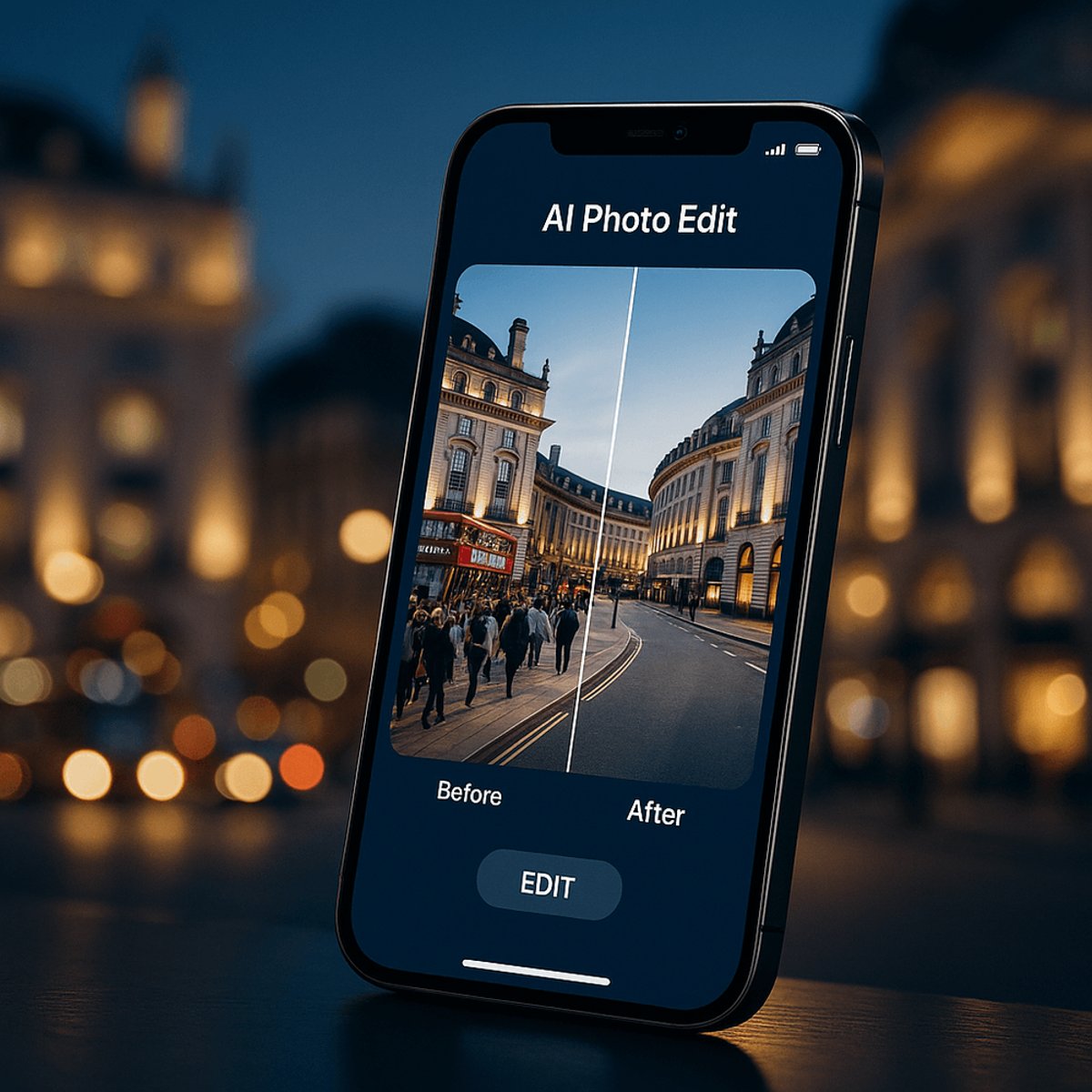
Craig, whose work has appeared in Vogue, Vanity Fair, and Esquire, stars in a film showing how Galaxy Z Fold7's AI can transform imperfect photos into gallery-worthy shots. In one demonstration, he captures London's chaotic Piccadilly Circus, then uses Generative Edit to remove traffic and fill in missing details with a single tap. "It's about empowering everyone to capture beautiful memories and get back to enjoying them immediately," Craig explains in the campaign.
The timing couldn't be more relevant. Samsung's new European research, surveyed across 10 countries from October to November, reveals the photo-taking dilemma plaguing smartphone users. More than half of the 500 respondents (57%) admit taking photos pulls them out of moments they're trying to enjoy. Nearly half (45%) feel constant pressure to capture the perfect shot, driven by desires to preserve memories (83%) or look good on social media (30%).
But here's the kicker: despite 86% noticing unwanted background elements in their photos - from photobombers (38%) to stray objects (33%) and unwanted shadows (34%) - a staggering 74% have never used AI tools on their smartphones to fix these issues. Samsung sees this gap as a massive opportunity.
"Life's best moments happen when we're fully present, but we also want to capture memories we can cherish," Benjamin Braun, Samsung Europe's chief Marketing Officer, told reporters. The One Shot Challenge directly addresses this tension by encouraging users to take quick shots knowing they can perfect them later.
The campaign highlights Galaxy AI's practical applications beyond the usual tech demo scenarios. Instead of removing objects from staged photos, Craig demonstrates real-world editing: eliminating London traffic, fixing lighting issues, and removing unwanted people from tourist shots. Each edit maintains the original photo's authenticity while cleaning up distracting elements.
Samsung's research uncovered the emotional cost of photo obsession. Respondents reported missing family celebrations, tourist landmarks, and even their children's milestones while fumbling with camera settings or retaking shots. Three-quarters (73%) say they want to live in the moment more and worry less about getting the right picture.
The Galaxy Z Fold7's Generative Edit feature requires a network connection and Samsung Account, with some technical limitations. Edited photos get resized to 12MP maximum and carry visible AI watermarks. Samsung notes that "accuracy and reliability of generated output are not guaranteed," but the company positions these as minor trade-offs for the convenience factor.
This campaign represents Samsung's broader strategy to make AI features feel essential rather than gimmicky. Instead of focusing on technical specifications, the messaging emphasizes emotional benefits: staying present, reducing photo anxiety, and creating better memories. It's a stark contrast to competitors' approaches that often lead with raw processing power or camera sensor improvements.
Starting November 25, users can join the campaign by sharing their Generative Edit creations on Instagram. Samsung hopes the social proof will demonstrate the feature's real-world utility and drive adoption among Galaxy users who haven't explored their phones' AI capabilities.
Craig brings serious photography credentials to the partnership. The British photographer has exhibited at the National Portrait Gallery for five consecutive years and served as Photographer-in-Residence for the Royal Geographical Society. His involvement lends artistic credibility to what could otherwise feel like another tech marketing stunt.
The campaign's success will likely depend on whether Samsung can shift user behavior around smartphone photography. For years, the industry has trained consumers to take multiple shots and manually edit later. Galaxy AI promises to collapse that workflow into a single capture plus AI enhancement - but only if users trust the technology enough to change their habits.
Samsung's One Shot Challenge represents a clever pivot from tech specs to emotional benefits, addressing the real anxiety many feel about capturing perfect photos. By partnering with a respected photographer and backing claims with European research data, Samsung positions Galaxy AI as the solution to smartphone photography's biggest problem: missing moments while chasing perfect shots. The campaign's success will ultimately depend on whether users trust AI enough to change years of ingrained photo-taking habits.