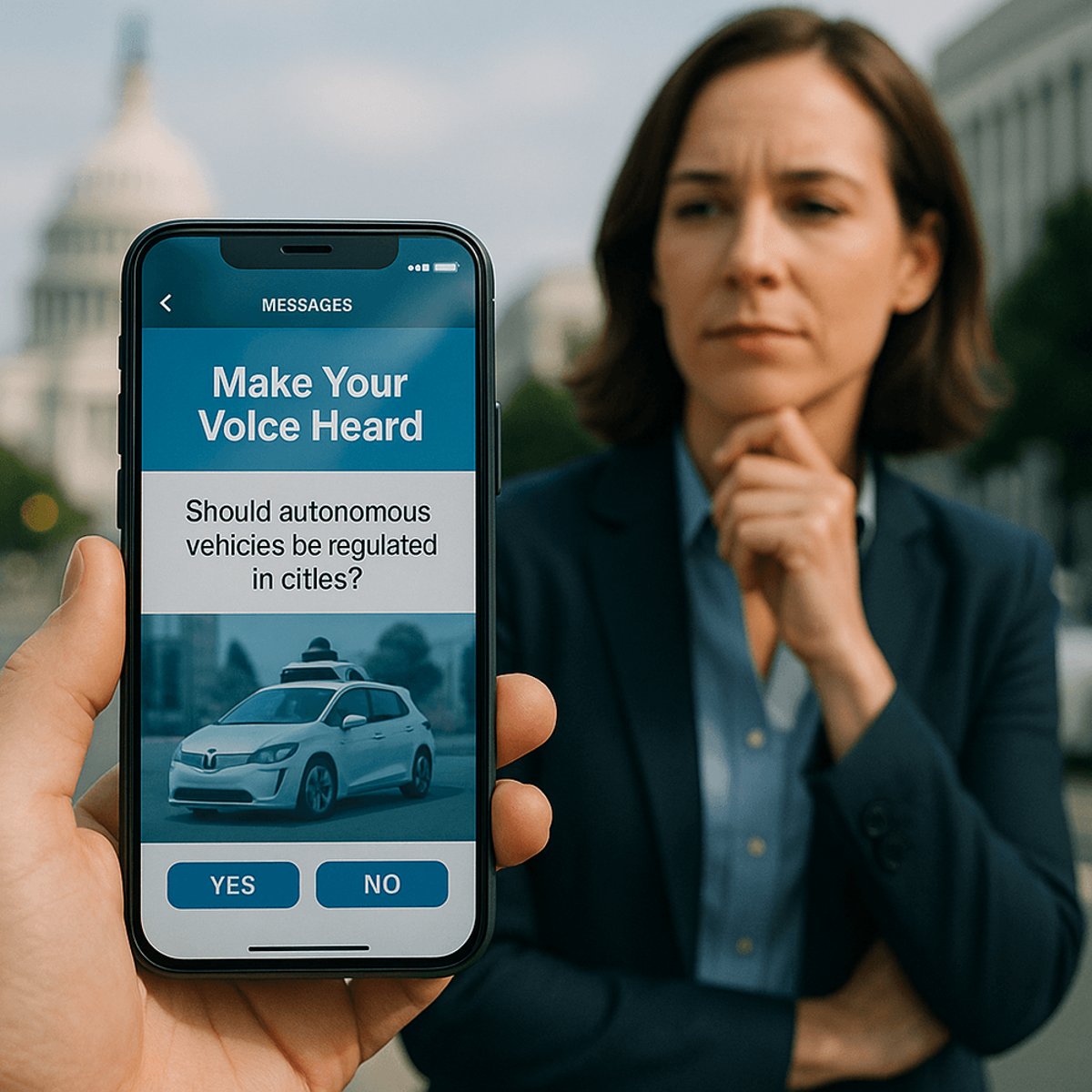
Waymo is taking an unusual approach to break through Washington, DC's regulatory roadblock - asking residents to do the lobbying for them. The Alphabet-owned self-driving company launched a public pressure campaign encouraging DC locals to message city officials directly, marking a notable shift from traditional backroom negotiations to grassroots mobilization. It's a sign of just how frustrated autonomous vehicle companies are getting with the patchwork of local regulations standing between them and nationwide expansion.
Waymo is stuck, and it wants DC residents to help push it forward. The self-driving subsidiary of Alphabet launched a public campaign this week asking Washington locals to pressure their city officials into approving its robotaxi service, a move that reveals just how tangled the regulatory path has become for autonomous vehicles trying to expand beyond their initial launch cities.
The campaign represents a significant tactical shift for Waymo, which has traditionally worked through regulatory channels and corporate partnerships. Now, the company is mobilizing public support directly, providing residents with pre-written messages and contact information for city officials. It's the kind of grassroots playbook usually reserved for controversial ballot measures, not corporate expansion plans.
Washington, DC represents more than just another market for Waymo. The nation's capital would be the company's first major East Coast deployment, opening a critical corridor and potentially setting regulatory precedent for other cities watching from the sidelines. But DC officials have been cautious, leaving Waymo's application in what the company clearly views as an unacceptable holding pattern.
The pressure campaign comes as Waymo continues expanding its existing markets. The company recently unveiled its sixth-generation robotaxi technology in San Francisco and Los Angeles, showcasing improved sensors and AI systems designed to handle complex urban environments. But hardware improvements don't matter much when you can't get permission to deploy them.
Waymo's frustration is understandable. The company has logged millions of autonomous miles, operates commercial services in multiple cities, and has arguably the most mature self-driving technology in the industry. Yet each new city requires starting the regulatory process nearly from scratch, with local officials often lacking the technical expertise to evaluate autonomous vehicle safety data.
The DC campaign also highlights a broader tension in the autonomous vehicle industry. While federal regulations govern vehicle safety standards, local governments maintain control over street access and transportation policy. This creates a fragmented landscape where companies must navigate dozens of different approval processes, each with its own timeline and political considerations.
Other self-driving companies are watching closely. GM's Cruise, which suspended operations after a 2023 incident in San Francisco, is attempting its own comeback. Amazon's Zoox is testing in Las Vegas. Each company faces similar regulatory hurdles, making Waymo's grassroots strategy potentially precedent-setting beyond just DC.
The public pressure tactic carries risks. If residents respond enthusiastically, it demonstrates genuine demand for robotaxi services and gives officials political cover to approve the expansion. But if the campaign flops or generates backlash, it could reinforce concerns about autonomous vehicles and make officials even more cautious.
DC's decision will likely influence other East Coast cities considering autonomous vehicle deployments. Philadelphia, Boston, and New York are all potential markets, but their officials are waiting to see how early adopters handle the technology. A DC approval would signal that robotaxis are ready for dense, complex urban environments with significant pedestrian traffic and political visibility.
The campaign also reflects changing economics in the autonomous vehicle sector. After years of massive R&D spending, companies need to expand their commercial footprints to justify continued investment. Waymo has raised billions from Alphabet and external investors, but profitability requires scale, and scale requires navigating this regulatory maze city by city.
For DC residents, the decision isn't just about transportation convenience. Robotaxis could reshape urban mobility, reduce drunk driving incidents, and provide accessible transportation for residents who can't drive. But they also raise questions about job displacement for human drivers, liability in accidents, and whether the technology is truly ready for the unpredictable chaos of city streets.
Waymo's grassroots campaign in DC isn't just about one city - it's a test of whether public pressure can accelerate the notoriously slow process of autonomous vehicle regulation. If it works, expect to see similar campaigns in every city where robotaxis face regulatory delays. If it backfires, the industry might be stuck with the current approach of patient negotiation and incremental expansion. Either way, DC's decision will echo far beyond the capital, shaping how quickly self-driving cars move from technical achievement to everyday reality.