Samsung just wrapped up a unique cultural marketing campaign that showcased Galaxy AI's translation capabilities in an unexpected way. The tech giant partnered with the Korean Cultural Center New York to create a mobile art installation that toured six major US universities, using AI to instantly translate visitor messages into Korean for a living digital artwork. The campaign concluded on Hangeul Day (October 9) with a Times Square celebration, demonstrating how Samsung is positioning its AI tools beyond typical productivity use cases.
Samsung just concluded one of its most creative Galaxy AI demonstrations yet - a mobile art installation that turned university campuses into interactive cultural experiences. The Hangeul Truck, which wrapped up its tour at Times Square on October 9, represents a fascinating pivot from typical tech product launches to culturally-driven marketing that puts AI translation at the center of human connection.
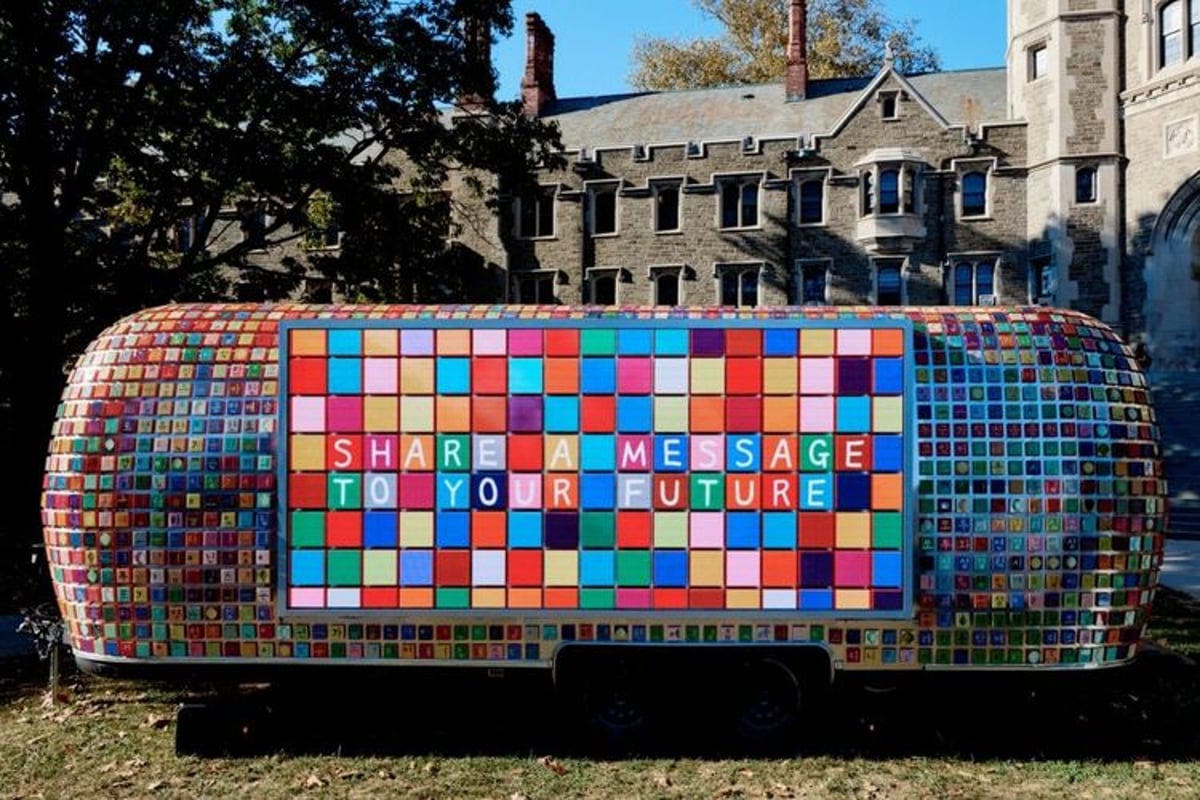
The campaign emerged from Samsung's partnership with the Korean Cultural Center New York to commemorate both Hangeul Day and the 80th anniversary of Korea's liberation. Rather than hosting a traditional product demo, Samsung transformed a classic Airstream trailer into a traveling gallery wrapped in artist Ik-Joong Kang's signature Hangeul Cubes, creating what the company calls a "living artwork."
At the heart of each campus stop was a message station where students could type personal reflections or notes to their future selves. Galaxy AI's translation features instantly converted these English messages into Korean, then displayed them on a central LED screen. This real-time translation capability - a core feature Samsung has been pushing across its Galaxy ecosystem - became the bridge connecting American college students to Korean cultural heritage.
"What made this project meaningful was its openness - art not confined to an exhibition hall, but moving freely through various cities and campuses," artist Ik-Joong Kang told Samsung's newsroom. The quote reveals Samsung's strategy of taking AI capabilities directly to consumers rather than waiting for them to discover features in isolation.
The tour's timing coincided with Samsung's broader push to differentiate Galaxy AI from competitors like Apple Intelligence and Google's Gemini integration. While those platforms focus heavily on productivity and search, Samsung's cultural campaign positions its AI as a tool for human connection and creative expression. The real-time translation happening on university campuses offered students a hands-on demonstration of capabilities they might not have explored otherwise.
Beyond the core translation experience, Samsung layered in additional interactive elements designed around Korean culture and Galaxy innovation. A selfie kiosk featured custom frames created by Kang, while temporary Hangeul tattoos gave visitors a physical memento. These touchpoints created multiple opportunities for students to engage with both Samsung's technology and Korean cultural elements.
The campaign's university focus appears strategic as Samsung competes for mindshare among younger consumers who increasingly drive technology adoption trends. By positioning Galaxy AI as an enabler of cultural discovery rather than just another productivity tool, Samsung differentiates from the enterprise-focused AI narratives dominating headlines from Microsoft and Google.
The Times Square finale on Hangeul Day provided Samsung with a major media moment to cap the campaign. The choice to conclude at one of the world's most visible advertising spaces reinforced the cultural bridge-building theme while generating content for Samsung's social channels and partner Korean Cultural Center.
What's particularly notable about this campaign is how Samsung embedded AI capabilities within a broader cultural narrative rather than leading with technical specifications. The Galaxy AI features - translation, display integration, real-time processing - became invisible infrastructure supporting human creative expression rather than the primary focus.
This approach reflects Samsung's recognition that AI adoption depends more on emotional resonance than technical superiority. While competitors battle over benchmark scores and processing speeds, Samsung demonstrated AI's potential to facilitate cross-cultural understanding and artistic collaboration.
The campaign also showcases Samsung's willingness to invest in experiential marketing that extends beyond traditional product demonstrations. The custom Airstream, university tour logistics, artist collaboration, and Times Square event represent significant resources dedicated to brand positioning rather than direct sales conversion.
Samsung's Hangeul Truck campaign represents a sophisticated approach to AI marketing that prioritizes cultural connection over technical specifications. By embedding Galaxy AI translation within an artistic, educational experience, Samsung demonstrated how AI features become more compelling when they serve human creativity and cross-cultural understanding. The campaign's success at six major universities and Times Square finale suggests this experiential approach may become a template for how tech companies introduce AI capabilities to younger consumers who value authentic cultural engagement alongside technological innovation.