Meta just dropped a bombshell about India's festive shopping revolution. The company's new study reveals that over 80% of Indian shoppers are using generative AI for gift inspiration and shopping decisions, while Meta's platforms now drive 65% of all festive shopping engagement. This isn't just about social commerce anymore - it's about AI fundamentally changing how 1.4 billion people shop during their biggest spending season.
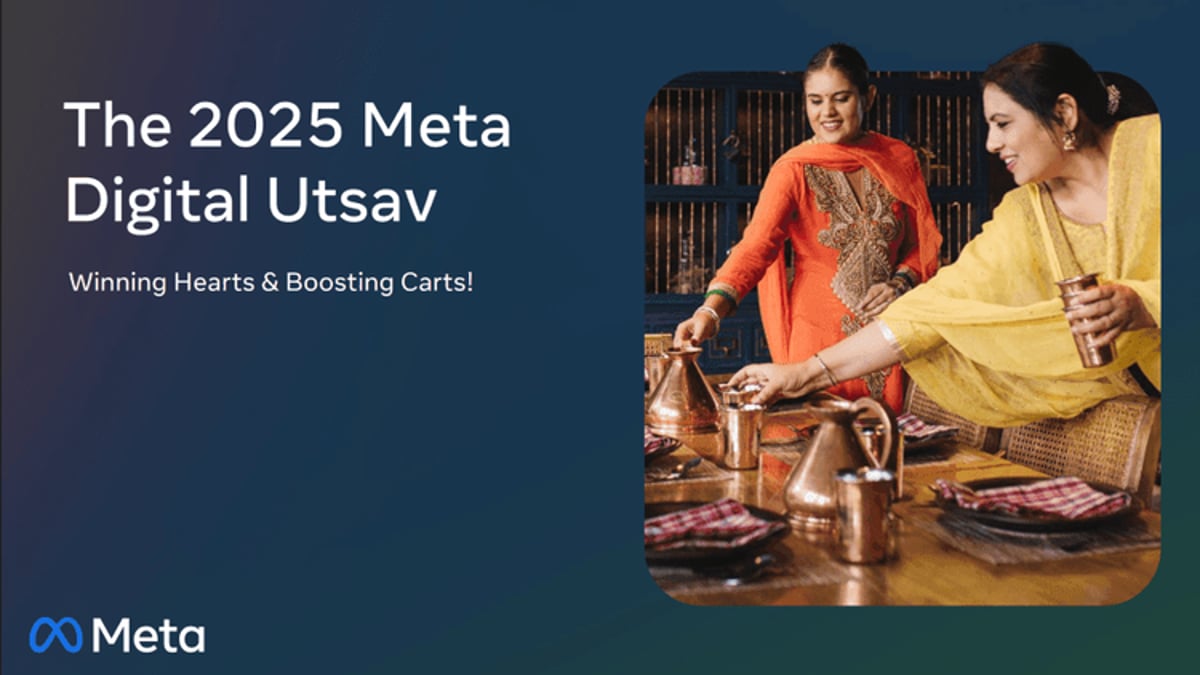
Meta just rewrote the playbook on festive shopping in India, and the numbers are staggering. The social media giant's newly released "Digital Utsav" study, commissioned through IPSOS, reveals that artificial intelligence has quietly become the backbone of how Indians shop during their most important spending season.
The headline figure tells the whole story: over 80% of Indian festive shoppers now use generative AI to spark gift ideas and discover inspiration. But that's just the beginning of how technology is reshaping commerce in the world's most populous nation.
Meta's platforms have achieved something remarkable - they now drive 65% of all festive season shopping engagement across the entire customer journey. The breakdown shows Meta's dominance at every stage: 49% of discovery happens on their platforms, 44% of evaluation, and 39% of actual purchases. These aren't just browsing numbers - this represents real purchasing power during India's peak spending season.
"The festive season in India is a key moment for businesses, and as consumers become more discerning, brands have to stand out by using technology, creativity, and mobile-first experiences," Arun Srinivas, Managing Director & Country Head at Meta India, told the company's newsroom. "Today, shoppers are turning to AI for inspiration, creators for credibility, and Reels for discovery."
The personalization game has reached a tipping point. According to the study, 77% of festival shoppers say a personalized ad on Meta's platforms directly inspired their purchase. This isn't just correlation - it's proof that AI-powered targeting has cracked the code on Indian consumer behavior.
Reels have emerged as the secret weapon in this transformation. The short-form video format has become especially influential in apparel and fashion categories, where visual discovery drives purchasing decisions. Nearly half of festive shoppers now follow creators or influencers, with two-thirds saying they trust brands that collaborate with credible creators.
The creator economy is no longer just about entertainment - it's become a crucial part of the shopping infrastructure. Over 30% of shoppers rely on creator reviews and buying guides to make confident purchasing decisions, turning influencers into the new salesforce for brands targeting India's festive market.
Mobile commerce has reached near-universal adoption, with 9 out of 10 consumers using smartphones for purchases. But what's really interesting is how messaging has become central to the shopping experience. A massive 78% of festive shopping conversations happen on Meta's platforms, particularly WhatsApp, highlighting how instant communication has become essential for commerce.
The data reveals distinct patterns across different consumer segments. Gen Z shoppers (18-24 years) show higher price sensitivity and place greater value on discounts and promo codes when shopping on Meta's apps. Meanwhile, shoppers in Tier 2 and 3 cities are creating a hybrid shopping model - while they still favor in-person shopping and physical payments, 63% also use local e-commerce platforms.
Mothers represent another key demographic shift. The study found that 44% of mothers made festive purchases on Meta's platforms, and they were more likely than average to message businesses and shop via mobile devices.
Quick commerce is reshaping expectations around delivery. Nearly half (45%) of shoppers now turn to quick commerce apps for festival purchases, with usage peaking among the 25-34 age group where 56% rely on these platforms for seamless shopping experiences.
For brands, this represents both an enormous opportunity and a fundamental shift in how they need to approach the Indian market. The study suggests that India's festive season - which runs from July through New Year's Eve - offers multiple touchpoints beyond just Diwali for brands to connect with consumers.
The implications extend far beyond India. As the world's largest democracy embraces AI-powered shopping at this scale, it's offering a preview of how artificial intelligence will transform consumer behavior globally. Meta's ability to capture such a dominant share of the shopping journey shows how social platforms are evolving from simple advertising channels into comprehensive commerce ecosystems.
Meta's study reveals that India isn't just adopting AI for shopping - it's leapfrogging traditional e-commerce models entirely. With 80% of festive shoppers using generative AI and Meta platforms driving nearly two-thirds of shopping engagement, we're witnessing the birth of AI-native commerce. For global brands and competitors, India's festive season has become the world's largest real-time experiment in AI-powered social commerce. The question isn't whether this model will spread globally, but how quickly other markets will catch up.