Space telescopes are facing an unprecedented crisis. A new NASA study published in Nature reveals that satellite megaconstellations could contaminate nearly 40% of Hubble telescope images within the next decade, threatening humanity's ability to spot dangerous asteroids and discover new planets as our orbital environment becomes increasingly crowded.
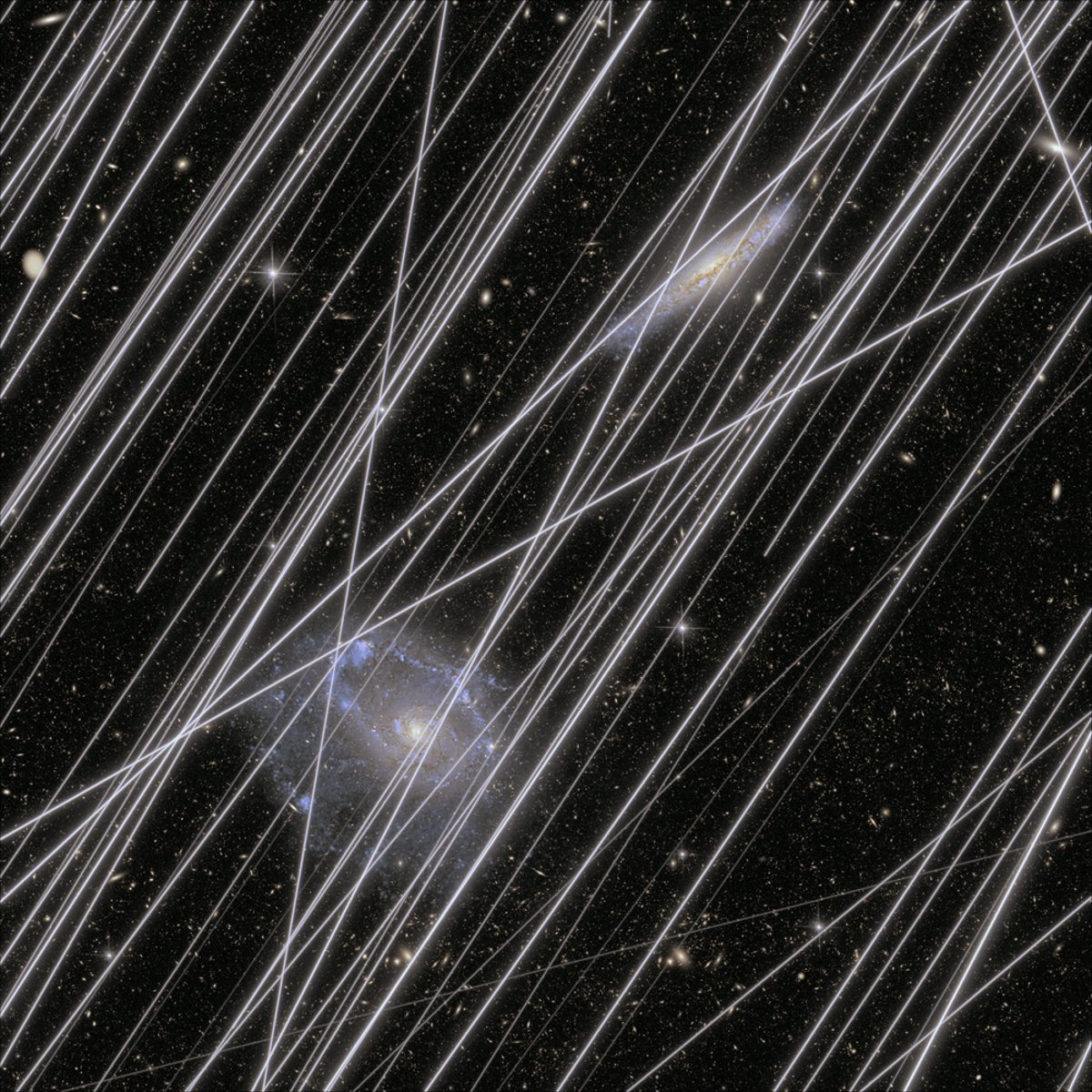
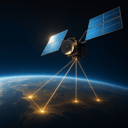
The space around Earth is becoming a cosmic traffic jam, and it's wreaking havoc on humanity's most important telescopes. NASA researchers just dropped a bombshell study in Nature that exposes how satellite megaconstellations are systematically destroying our view of the universe. The situation is getting bad fast - satellite trails were already contaminating 4.3% of Hubble images between 2018 and 2021, but that's about to explode into a full-blown crisis. "My career has been focused on trying to make telescopes see better," Alejandro Borlaff, the NASA research scientist leading the study, told The Verge. "For the first time, we found something that may actually be worse in the future." The numbers paint a grim picture of what's coming. Earth's satellite population has more than tripled from 5,000 in 2019 to over 15,800 today, according to the European Space Agency. But here's where it gets really scary - that number could balloon to 560,000 satellites if all currently planned launches go ahead over the next decade. The culprit? Companies like SpaceX have made launching satellites cheaper than ever, opening the floodgates for massive telecommunications constellations like Starlink. What started as an occasional photobomb is becoming a systematic obstruction of scientific discovery. Borlaff and his team ran simulations to see what four major telescopes will face in this crowded future. The results are sobering: Hubble could capture an average of 2.14 satellites per exposure, while the Chinese Space Station Telescope Xuntian - launching next year - might see 92 satellites cluttering every single image it takes. The narrower field of view saves Hubble from the worst of it, but even that won't be enough. The contamination goes beyond just ugly streaks across pretty nebula photos. These satellites reflect sunlight, moonlight, and earthlight back toward telescopes, creating bright interference that can wash out critical scientific data. "You will lose that information because a satellite passed in front of you," Borlaff explains. That lost information could be the subtle dimming of a star that reveals an orbiting exoplanet, or the faint signature of an asteroid on a collision course with Earth. Scientists are scrambling for solutions, but each attempt reveals new complications. Making satellites darker and less reflective sounds logical, but those redesigned satellites get hotter and end up emitting more infrared light - just shifting the problem to a different wavelength. Researchers are also trying to time their observations strategically to avoid satellite paths, but that becomes nearly impossible as space gets more crowded. The window for action is closing rapidly. Unlike ground-based telescopes that can adapt to light pollution from cities, space telescopes can't just relocate when satellites start interfering. The James Webb Space Telescope avoids this mess by orbiting much farther from Earth, but most other telescopes don't have that luxury. What's needed now is unprecedented coordination between satellite companies, governments, and the scientific community. That might mean placing satellite constellations in specific orbital zones that don't interfere with telescope operations, or developing new regulations about where these megaconstellations can operate. Some proposals suggest keeping satellites in lower orbits than telescopes to avoid crossing their sight lines. The space industry is moving faster than regulators can keep up, and the consequences of inaction are becoming clear. Every month of delays makes the problem exponentially worse as more satellites launch. "There has to be an optimal way to place constellations and space telescopes so we can coexist in a sustainable way," Borlaff says, but that optimal solution requires action now, not after we've already filled the sky with half a million satellites.
The satellite boom that's connecting the world is simultaneously blinding our most important scientific instruments. With projections showing satellite interference could affect up to 96% of some telescope observations within a decade, the astronomy community faces an existential crisis that requires immediate industry coordination and regulatory intervention. The race is on to find sustainable orbital solutions before we permanently compromise humanity's ability to monitor threats from space and discover new worlds beyond our own.