Snap just dropped its paywall on AI image generation. The company's making its Imagine Lens - which lets users create and edit photos with custom text prompts - free for all US users starting today. It's a direct response to mounting pressure from OpenAI's viral Sora app and Meta's AI push, as social platforms race to keep young users engaged with increasingly sophisticated AI tools.
Snap just made its biggest AI bet yet, and it's betting on free. The company's dropping the subscription requirement for its Imagine Lens - the first open-prompt AI image generator built directly into Snapchat - making it available to all US users without charge.
The timing isn't coincidental. Just weeks after OpenAI launched its Sora video generation app with those viral "cameo" features that let friends star in AI videos together, Snap is scrambling to keep pace in the AI creativity arms race that's reshaping social media.
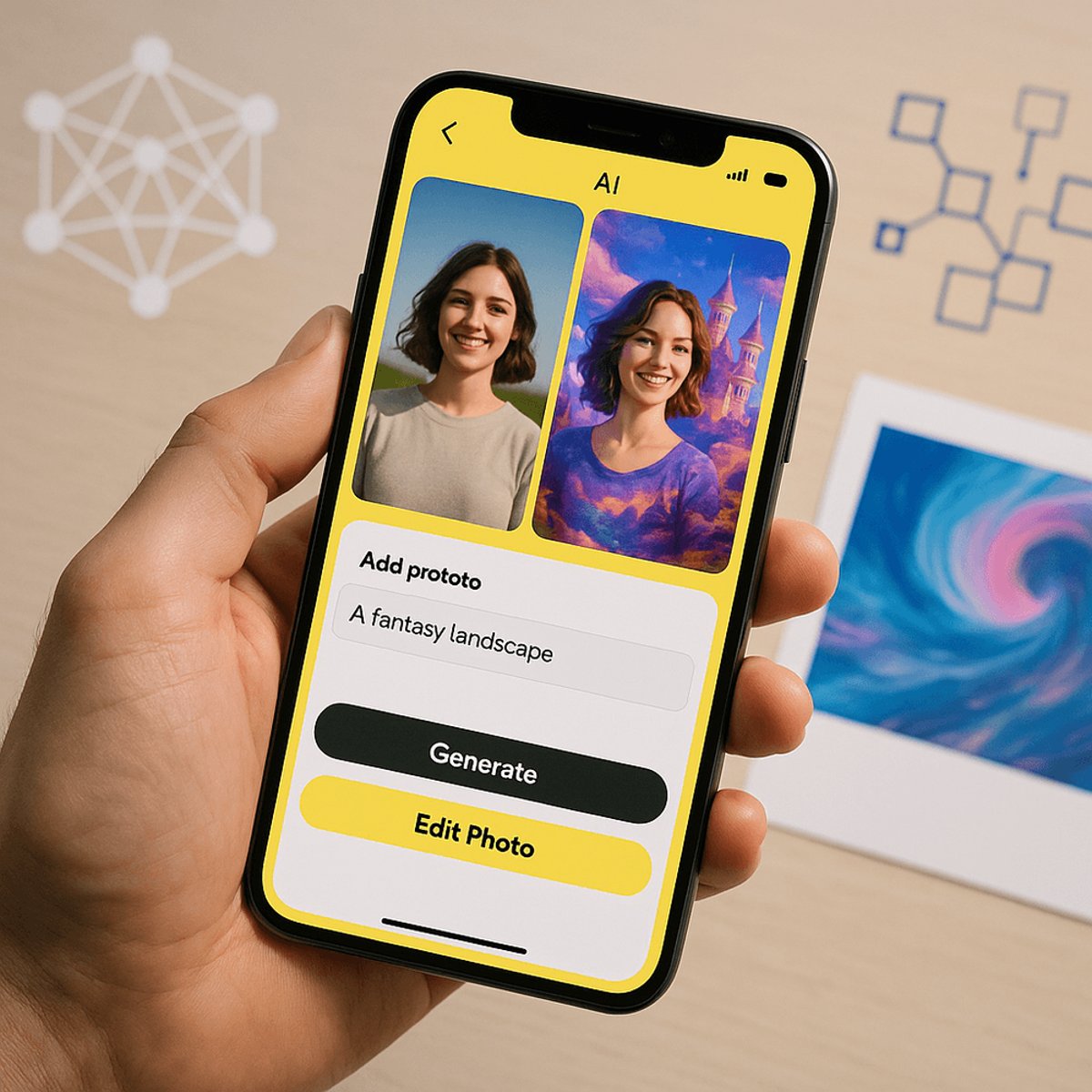
"Turn me into an alien" or "grumpy cat" - that's the kind of creative prompt users can now throw at Snapchat's AI without paying a dime. The Imagine Lens, which quietly launched in September exclusively for Lens+ and Snapchat+ subscribers, lets users edit existing selfies or generate completely new images from scratch.
But here's the scale that matters: Snapchat users access Lenses more than 8 billion times per day, according to the company. That's not just impressive - it's the kind of engagement that makes or breaks AI adoption at the consumer level. While Meta and OpenAI battle over who has the most advanced video generation, Snap is quietly sitting on one of the world's largest AR and AI interaction datasets.
The competitive pressure is real. OpenAI's Sora doesn't just generate videos - it creates personalized "cameos" where users can star in AI-generated content after providing just one video and audio sample. Friends can then share these AI personas with each other, creating a social loop that directly threatens Snapchat's core use case of visual communication between friends.
Meta isn't standing still either. The company's been aggressively rolling out AI features across Instagram and Facebook, pushing its own image and video generation tools to billions of users. For Snap, with its smaller but highly engaged user base, making AI tools free becomes less about generosity and more about survival.
The rollout strategy reveals Snap's cautious optimism. US users get unlimited access first, with "limited generations" for free accounts - though the company hasn't specified exactly what those limits are. Canada, Great Britain, and Australia are next in line, suggesting Snap is testing server load and user adoption patterns before going global.
Technically, the Imagine Lens sits prominently in Snapchat's Lens Carousel, meaning users don't have to hunt for it. The interface is dead simple - snap a photo, tap the caption area, type your prompt, and wait for the AI to work its magic. Results can be shared as regular Snaps, posted to Stories, or exported beyond the app entirely.
What's particularly clever about Snap's approach is how it leverages the company's existing AR infrastructure. While competitors are building AI tools from scratch, Snap is integrating generative AI into a platform where users already expect visual transformation and creativity. The 8 billion daily Lens interactions prove users are comfortable with AI-powered visual effects - they just might not have realized they were using AI.
The broader implications extend beyond just Snap. As AI image and video generation becomes table stakes for social platforms, the real competition shifts to distribution, user experience, and social integration. OpenAI has the most advanced models, Meta has the largest reach, but Snap has something different - a user base that's already trained to interact with AI-powered visual tools multiple times per day.
For developers and creators, this represents a significant shift in how AI tools reach consumers. Instead of standalone apps or web interfaces, the future of consumer AI might be deeply embedded in existing social workflows. Snap's free Imagine Lens isn't just about competing with OpenAI and Meta - it's about proving that AI creativity tools work best when they're invisible parts of how people already communicate.
This isn't just Snap playing catch-up - it's the company doubling down on its core strength of making AI feel natural and social. While OpenAI impresses with technical capabilities and Meta dominates with reach, Snap's 8 billion daily AI interactions show they've cracked something their competitors are still chasing: seamless AI integration into how people actually communicate. The real test isn't whether users will try the free Imagine Lens - it's whether making AI creativity free becomes the new baseline expectation across all social platforms.