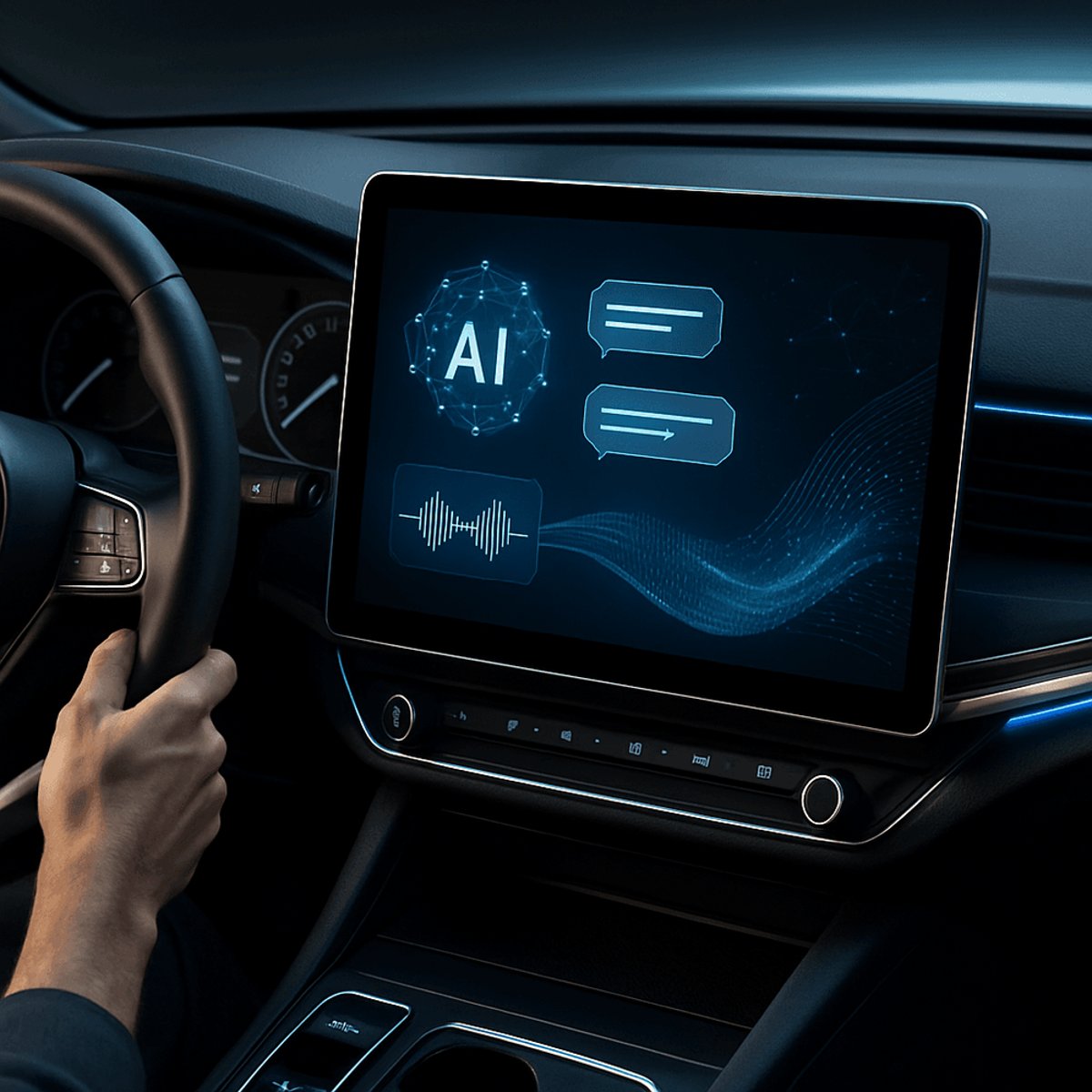
General Motors just announced it's bringing Google's Gemini AI assistant to all its vehicles starting in 2026, marking the automaker's biggest AI integration yet. The move puts GM squarely in the automotive AI race alongside competitors who've already deployed ChatGPT, Grok, and other conversational assistants in their cars.
General Motors is diving headfirst into the automotive AI arms race. The Detroit automaker announced Wednesday at its GM Forward event in New York that it's bringing Google's Gemini conversational AI assistant to all its cars, trucks, and SUVs starting in 2026.
The timing couldn't be more strategic. While GM was busy perfecting its traditional infotainment systems, competitors moved aggressively into AI territory. Tesla integrated xAI's Grok into its vehicles this summer, Mercedes rolled out ChatGPT integration, and Stellantis partnered with French AI firm Mistral for its own generative assistant.
Now GM is playing catch-up with what could be its most significant tech partnership since adopting Android Automotive. The Gemini integration represents the next evolution of GM's existing "Google built-in" platform, which already powers infotainment systems across Buick, Chevrolet, Cadillac, and GMC vehicles with Google Assistant, Maps, and apps.
But this isn't just a simple upgrade. According to GM executives at the event, the Gemini-powered assistant will handle far more sophisticated tasks than current voice commands. Drivers will be able to draft and send messages through natural conversation, plan complex routes with multiple stops including charging stations or coffee shops, and even prep for meetings while driving.
The assistant promises deeper vehicle integration too. It'll access your car's data to provide maintenance alerts, explain features like one-pedal driving, and pre-condition your climate control before you get in. GM says users will control what information the AI can access, with the system learning from driving habits to offer personalized recommendations.
This privacy emphasis is notable given GM's recent controversy over selling customer driving data to insurance brokers earlier this year. The company was banned from the practice after public outcry, making data control promises crucial for consumer trust.
GM's approach builds on an existing foundation. Since 2023, the automaker has used Google Cloud's Dialogflow chatbot to handle non-emergency OnStar requests like routing and navigation help. The Gemini upgrade represents a massive leap in capabilities.
The competitive pressure is real. Tesla's Grok integration gives drivers access to real-time information and conversational AI while driving. Mercedes' ChatGPT partnership, launched earlier this year, allows drivers to ask complex questions and get detailed responses through the MBUX infotainment system. Stellantis' Mistral collaboration focuses on multilingual support across European markets.
What sets GM's approach apart is the integration depth. Executives described the technology as "a mix of a health wearable and an AI pendant, but for your car" - suggesting the assistant will monitor vehicle health and driver patterns continuously rather than just responding to commands.
The 2026 timeline puts GM slightly behind some competitors but ahead of others still developing AI strategies. More importantly, it aligns with GM's broader tech overhaul, which includes a complete electrical architecture redesign and automated driving features coming in 2028.
For Google, this partnership extends Gemini's reach into the massive automotive market. With GM selling millions of vehicles annually across four major brands, the integration could put Gemini in front of more users than many smartphone apps.
The automotive AI race is just getting started. As cars become increasingly connected and autonomous, the quality of AI assistants could become as important as horsepower or fuel economy in consumer purchasing decisions. GM's bet on Gemini suggests the company believes conversational AI will be table stakes for automakers by the mid-2020s.
GM's Gemini partnership signals the automotive industry's rapid shift toward AI-first vehicle experiences. While the 2026 launch puts GM slightly behind early movers like Tesla and Mercedes, the deep integration with existing Google services and OnStar infrastructure could give it a significant advantage. As conversational AI becomes standard in vehicles, GM's success will depend on execution - and whether drivers actually want their cars to be as chatty as their smartphones.