TL;DR
- Sonos Voice Control to integrate with Philips Hue by end of 2025
- Privacy-centric AI platform processes commands locally
- Anticipate more smart home integrations
- Strategic thesis: Privacy-driven voice systems gaining traction in smart home sector
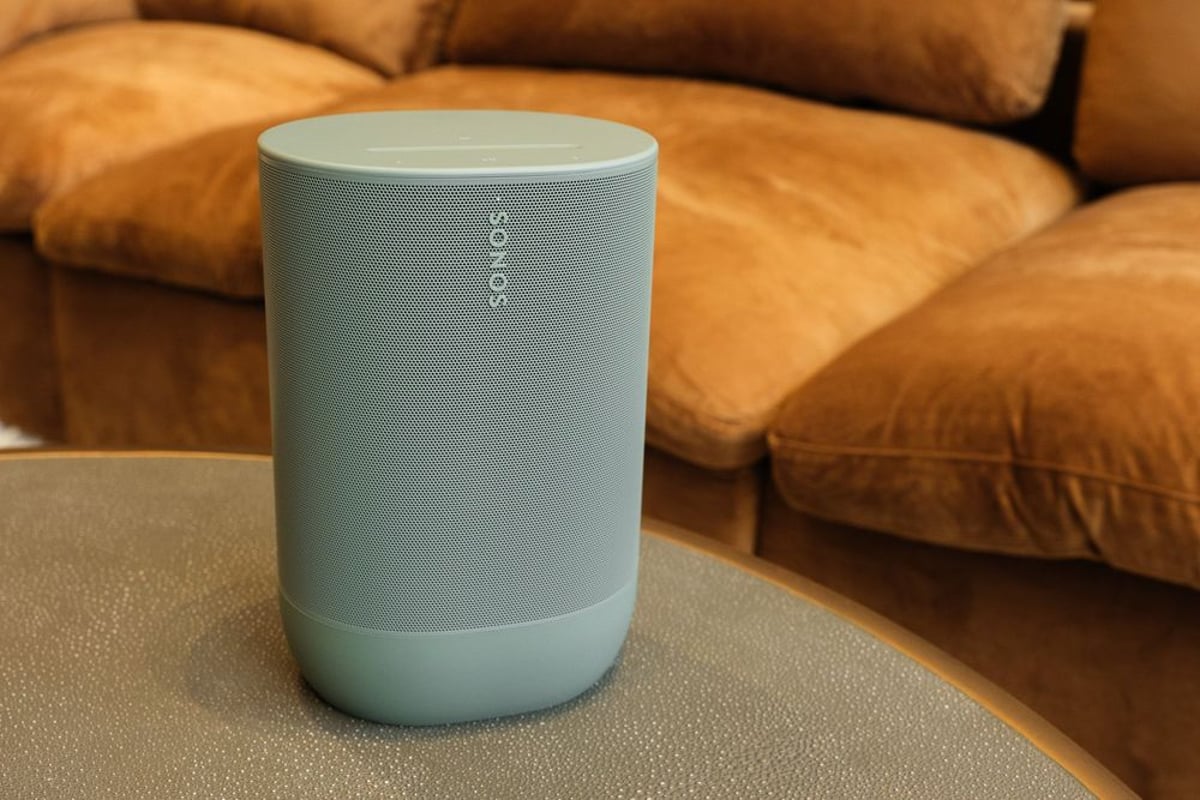
Did you know Sonos is moving beyond music? By the end of 2025, Sonos Voice Control will extend its reach from pure sound management to a broader role in smart home ecosystems, potentially marking a shift in the voice assistant landscape as it partners with Philips Hue. This development could redefine how we use voice assistants for comprehensive home control, all while maintaining a privacy-centric approach.
Opening Analysis
Sonos, a leader in high-end audio solutions, is set to expand the capabilities of its Sonos Voice Control beyond music to include home automation through integration with the Philips Hue smart lighting platform. This strategic move underscores a significant trend: voice-activated AI is venturing further into the smart home realm, promoting a more interconnected living environment. Such integration points towards increasing consumer demand for omnipresent systems that offer privacy-focused alternatives to mainstream voice assistants like Amazon Alexa and Google Assistant.
Deep Dive Sections
Market Dynamics
The integration with Philips Hue marks the first instance of Sonos extending its voice technology to another smart home platform. This collaboration could position Sonos as a formidable player in the smart home sector, challenging tech giants by fulfilling a niche that prioritizes user privacy. Unlike competitors, Sonos processes all voice commands locally, aligning with growing consumer awareness and demand for privacy in digital solutions.
Technical Innovation
Both Sonos and Philips Hue leverage robust technology that allows seamless control without compromising privacy. The technological architecture centers on local command processing, which means responses are quick and secure. This edge-processing method aligns with trends indicating increased consumer need for privacy-by-design technologies in home environments.
Financial Analysis
Sonos's proactive growth through strategic integrations presents new revenue opportunities by tapping into the fast-growing smart home market. With the global smart home market projected to reach $313.95 billion by 2026, Sonos's move could bolster its valuation and market share. Moreover, offering compatibility with non-native platforms represents an upsell opportunity for existing customers looking to expand their smart home capabilities.
Strategic Outlook
This partnership could foreseeably lead Sonos to explore integrations with other platforms beyond lighting, positioning it as a versatile player in the smart home ecosystem. While there are inherent challenges, like ensuring seamless user experience and robust support, the move strategically positions Sonos to capture a market interested in privacy and seamless automation. Over the next 3-6 months, industry watchers should anticipate announcements on further collaborations and in 1-2 years, more pronounced competition in the privacy-centric home automation sector.
Key Takeaways:
- Sonos is expanding to integrate with Philips Hue, enhancing home automation capabilities.
- This move highlights a growing trend toward privacy-focused AI systems.
- Future opportunities may include more smart home platform integrations, solidifying Sonos's place in the market.