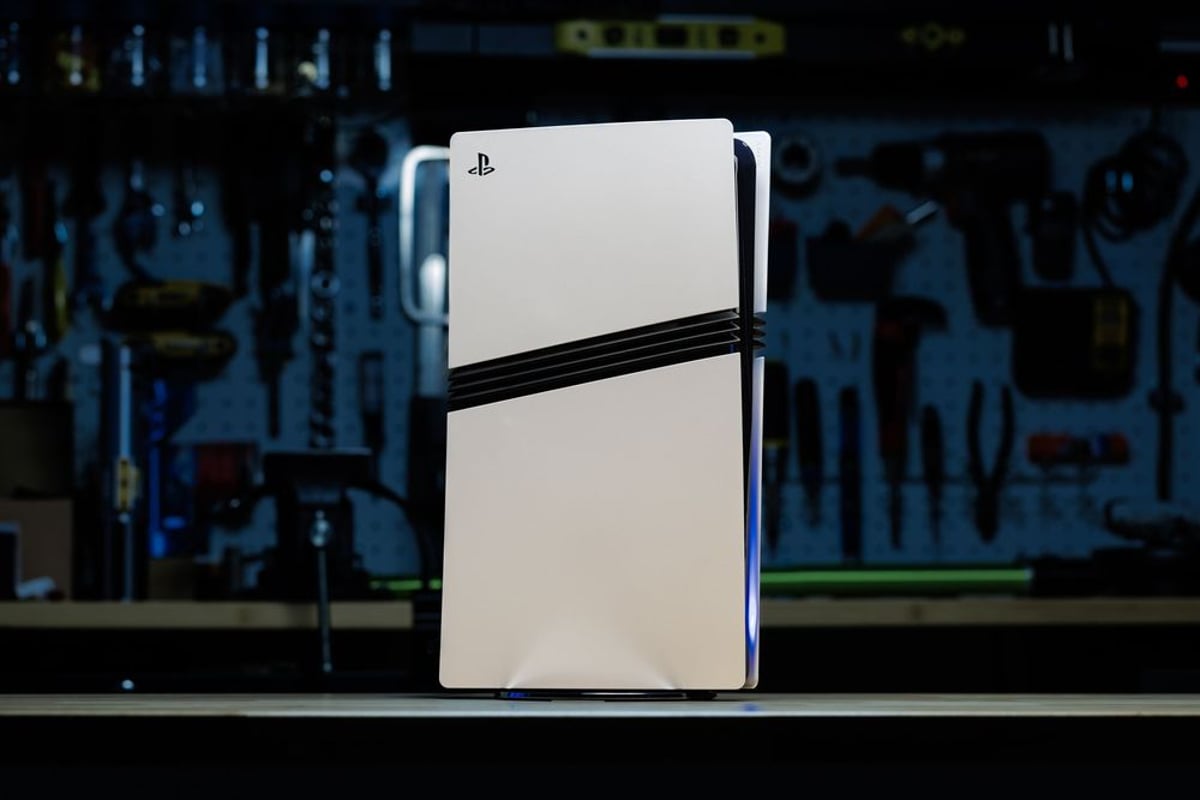
Sony just fired the opening shot of Black Friday gaming deals a full week early. The company slashed $100 off every PlayStation 5 model, bringing the PS5 Digital Edition to $399, the standard PS5 Slim to $449, and the premium PS5 Pro to $649 - its lowest price ever. These cuts come just months after Sony raised console prices due to U.S. tariffs, making this move particularly striking for holiday shoppers.
Black Friday hasn't even arrived, but Sony is already making its biggest play for holiday dominance in the gaming console wars. The PlayStation maker just dropped prices by $100 across its entire PS5 lineup, creating what could be the most competitive gaming hardware sales event of 2025.
The timing couldn't be more calculated. These cuts directly reverse the price increases Sony implemented in late August due to U.S.-sanctioned tariffs - a move that had frustrated consumers and analysts alike. By absorbing those costs for the crucial holiday shopping period, Sony is clearly betting big on market share over short-term margins.
The PS5 Digital Edition, now at $399, represents the sweet spot for budget-conscious gamers. Without a disc drive, it forces players into Sony's digital ecosystem, but at a $20 savings versus buying the standard model plus external drive separately. Amazon, Best Buy, and Walmart are all honoring the pricing through December 18th.
But it's the PS5 Pro discount that's really turning heads. At $649, the premium console matches its lowest price ever despite launching just two months ago. Early reviews from The Verge noted modest visual improvements unless sitting within 10 feet of displays, yet Sony's clearly confident enough in demand to cut prices aggressively.
The broader PlayStation ecosystem is getting similar treatment. Sony's PlayStation Portal handheld - which streams games from your PS5 - dropped to $179, while the VR2 bundle with Horizon: Call of the Mountain hit $299. Even premium accessories like the DualSense Edge controller are seeing $30 cuts.
This represents a fundamental shift in Sony's pricing strategy. The company had been riding high on PS5's popularity, even raising prices when most tech products were getting cheaper. But with Microsoft pushing aggressive Xbox Game Pass promotions and Nintendo building buzz for its next-generation Switch, Sony appears to be prioritizing install base growth over profit margins.
The $100 console cuts also reveal something about Sony's confidence in upcoming software releases. Major exclusives like Spider-Man 2 and upcoming titles will benefit from a larger installed base, potentially generating more revenue through game sales and digital services than hardware markups could provide.
For consumers, this creates an interesting decision matrix. The Digital Edition at $399 offers the best entry point, especially with Sony's recent push toward digital game sales. The standard PS5 Slim at $449 provides disc flexibility for those with physical game collections. The Pro at $649 targets enthusiasts willing to pay extra for marginal performance gains.
Retail partners seem bullish on the promotion. Target joined the big three retailers in honoring all pricing, suggesting strong coordination between Sony and major chains. That level of retail buy-in typically indicates significant volume commitments from the manufacturer.
The competitive implications extend beyond just holiday sales. These prices could pressure Microsoft to respond with Xbox Series X cuts, potentially triggering a broader console price war that benefits consumers but squeezes manufacturer margins industry-wide.
Sony's aggressive $100 price cuts signal the start of what could be the most competitive holiday gaming season in years. By reversing its tariff-driven price increases and pushing the PS5 Pro to record lows, Sony is clearly prioritizing market share over margins. For consumers, this creates compelling entry points across all price segments - but also suggests even deeper discounts could be coming if competitors respond in kind. With deals running through December 18th, this move sets the stage for a gaming hardware battle that could reshape the industry's pricing landscape heading into 2026.