The gaming industry is heading for a major platform shift, according to Take-Two Interactive CEO Strauss Zelnick. In a candid interview with CNBC's Squawk Box, the executive behind Grand Theft Auto and NBA 2K franchises said gaming is moving toward PCs over the next decade, even as traditional consoles maintain their foothold in living rooms worldwide.
Take-Two Interactive CEO Strauss Zelnick just dropped a bombshell prediction that could reshape how we think about the future of gaming. Speaking to CNBC's Squawk Box on Monday, the executive behind some of gaming's biggest franchises said the industry is moving toward PCs in the coming decade, fundamentally shifting away from the closed console ecosystems that have dominated for generations.
"I think it's moving towards PC and business is moving towards open rather than closed," Zelnick explained during the interview. But he's not writing off consoles entirely - instead, he's reframing what a console actually means in 2025. "If you define console as the property, not the system, then the notion of a very rich game that you engage in for many hours that you play on a big screen - that's never going away."
The timing of these comments isn't coincidental. Take-Two sits at the center of gaming's biggest revenue streams, with Grand Theft Auto, Red Dead Redemption, and NBA 2K generating billions annually across multiple platforms. When Zelnick talks about platform trends, the entire industry listens - and his latest assessment suggests we're witnessing a fundamental shift in how people want to play games.
Right now, Zelnick says the market split between console and mobile gaming is roughly even, but mobile is growing significantly faster than traditional consoles. This creates an interesting dynamic where Sony's PlayStation and Nintendo continue doubling down on their closed, proprietary systems with major success, while competitors like Microsoft's Xbox are already hinting at more PC-integrated approaches for their next generation of hardware.
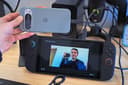
The shift becomes even more apparent when you look at what's happening on the hardware side. Valve created significant industry buzz last week with its announcement of the new Steam Machine - a console-PC hybrid that can run PC games on a television or function as a traditional gaming computer. It's exactly the kind of open platform convergence Zelnick is talking about, and it represents a direct challenge to the walled-garden approach that's defined console gaming for decades.
This isn't just about hardware preferences - it's about fundamental business models. Closed console systems allow manufacturers like Sony and Nintendo to collect licensing fees from every game sold, control the entire user experience, and maintain premium pricing. Open PC platforms, by contrast, give consumers more choice but create different revenue dynamics for both hardware makers and game publishers like Take-Two.
For Take-Two, this shift could actually be beneficial. The company's games already perform well across multiple platforms, and PC gaming often supports higher-margin digital sales and ongoing content monetization. Games like Grand Theft Auto Online have proven that long-term engagement models work particularly well on PC, where players can access mods, community content, and frequent updates more easily.
The mobile gaming surge Zelnick mentioned also plays into this broader trend. Mobile games have already proven that players want flexibility in where and how they play, breaking down the traditional boundaries between gaming platforms. As cloud gaming technology improves and 5G networks expand, the line between mobile, PC, and console gaming continues to blur.
What makes Zelnick's prediction particularly noteworthy is his company's position in the market. Take-Two doesn't manufacture hardware - they create the content that drives platform adoption. When a major publisher starts predicting platform shifts, it often signals where they're planning to focus their development resources and marketing efforts in the coming years.
Zelnick's comments signal more than just another industry prediction - they represent a strategic shift in thinking from one of gaming's most influential executives. As traditional console makers continue investing in closed systems, the real battle may be between those who embrace open platforms and those who try to maintain control through proprietary hardware. For gamers, this evolution toward PC-based gaming could mean more choice, better performance, and greater flexibility in how they access their favorite titles. The question isn't whether consoles will disappear, but whether they'll need to become more like PCs to survive.