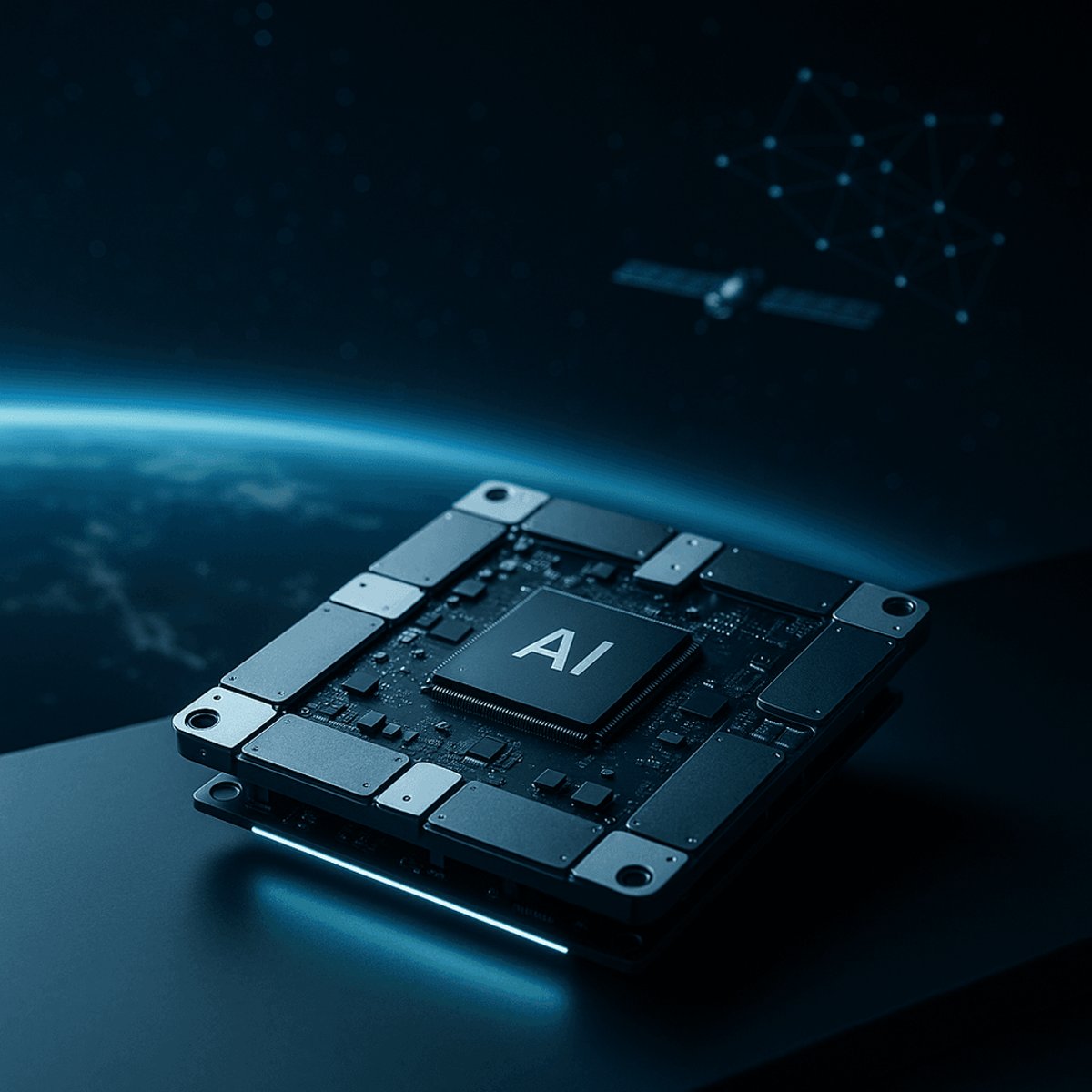
Sophia Space just closed a $10 million seed round to bring data centers into orbit, literally. The startup is developing modular computer tiles designed specifically for space-based AI processing - a novel approach that could reshape how we think about computing infrastructure as satellites multiply and edge computing demands surge beyond Earth's atmosphere. According to TechCrunch, the company plans to demonstrate its technology in orbit, marking a significant bet on space-based computational infrastructure.
Sophia Space is betting that the future of AI computing isn't just in the cloud - it's above it. The startup announced today it's raised $10 million in seed funding to demonstrate what it calls a fundamentally new approach to space-based computing: modular computer tiles that can be assembled into orbital data centers.
The timing couldn't be more strategic. As companies race to deploy massive satellite constellations and space-based services proliferate, the bottleneck increasingly isn't bandwidth back to Earth - it's processing power in orbit. Current satellites mostly beam raw data groundside for analysis, creating latency issues and bandwidth constraints that Sophia Space thinks it can solve.
The company's modular tile architecture represents a departure from traditional space computer design. Instead of monolithic, radiation-hardened systems built for specific missions, Sophia Space is developing standardized computing modules that can be configured and reconfigured based on workload demands. Think of it as bringing the flexible, scalable model of terrestrial data centers to the harsh environment 200 miles up.
"We're seeing this massive expansion of space infrastructure, but the computing architecture hasn't evolved," sources familiar with the company's pitch tell us. The vision is enabling AI processing at the edge - the very edge - of networks, where satellites capture imagery, sensor data, and communications that currently must travel back to Earth for analysis.
The technical challenges are substantial. Space computing requires surviving radiation, extreme temperature swings, and the vacuum of space while maintaining performance and power efficiency. Traditional space computers use older, proven chip designs because reliability trumps speed. Sophia Space is apparently threading that needle with a modular approach that balances cutting-edge performance with the redundancy and fault tolerance space demands.
The $10 million seed round positions Sophia Space to move from concept to demonstration. According to the TechCrunch exclusive, the company plans an orbital demo of its technology - a critical milestone that will prove whether the modular tiles can actually survive and operate in the space environment.
This isn't just about faster satellites. The implications span from real-time Earth observation analysis to secure computing isolated from terrestrial networks to supporting future deep-space missions that can't rely on ground control for every decision. Companies deploying AI-powered satellite services, from precision agriculture to disaster response, could benefit from processing data where it's collected rather than bouncing it home first.
The investment also reflects growing VC appetite for space infrastructure plays beyond launch and communications. As launch costs plummet thanks to SpaceX and emerging competitors, investors are hunting for the picks-and-shovels plays that will power the next generation of orbital operations.
Sophia Space enters a market that's still defining itself. While companies like Amazon have experimented with AWS services in space and Microsoft has launched Azure Space initiatives, dedicated space computing startups remain rare. The modular tile approach could give Sophia Space a differentiation angle if it can prove the technology works.
The seed funding will likely cover the expensive process of space qualification testing, building flight hardware, and securing a launch slot for the demonstration mission. Success could open doors to Series A funding and partnerships with satellite operators hungry for onboard processing capabilities. Failure would join the long list of space startups that looked great on paper but couldn't survive the ultimate stress test.
Sophia Space's $10 million seed round represents a compelling bet on computing's expansion beyond Earth. If the company can prove its modular tiles work in orbit, it could unlock an entirely new category of space-based services that process AI workloads where data originates rather than routing everything groundside. The orbital demonstration will be the moment of truth - either validating a novel architecture for space computing or teaching expensive lessons about the gap between terrestrial innovation and space-grade reality. For now, investors are backing the vision that as satellites proliferate, the computing infrastructure supporting them needs to evolve too.